

Dispatches from the Frontiers | Kyrgyzstan, September 2026
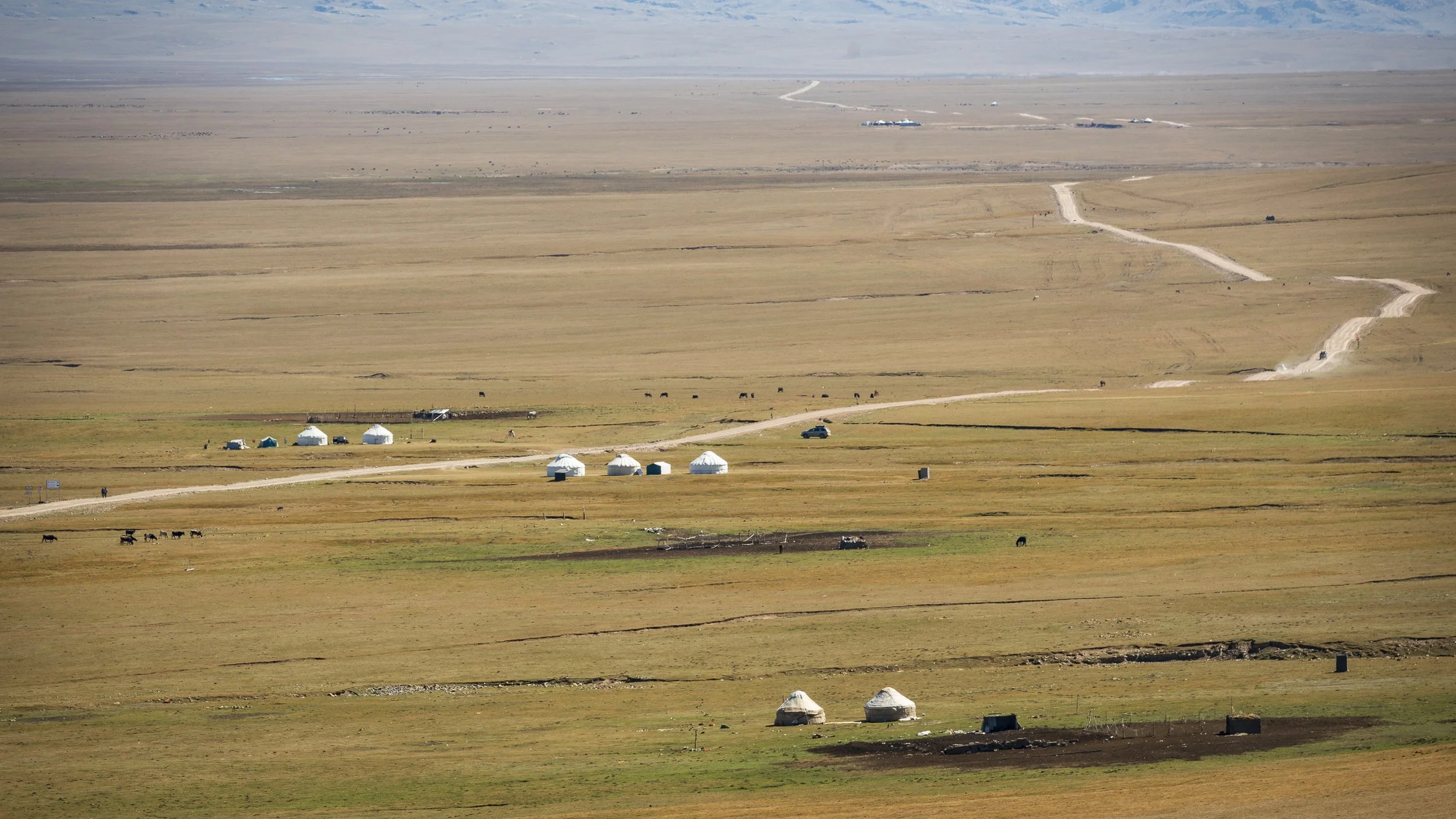
No fences, no hedgerows, no dry-stone walls. Just open grassland running to the horizon, and barely any sign of the man-made boundaries I’ve come to expect almost everywhere else I travel.
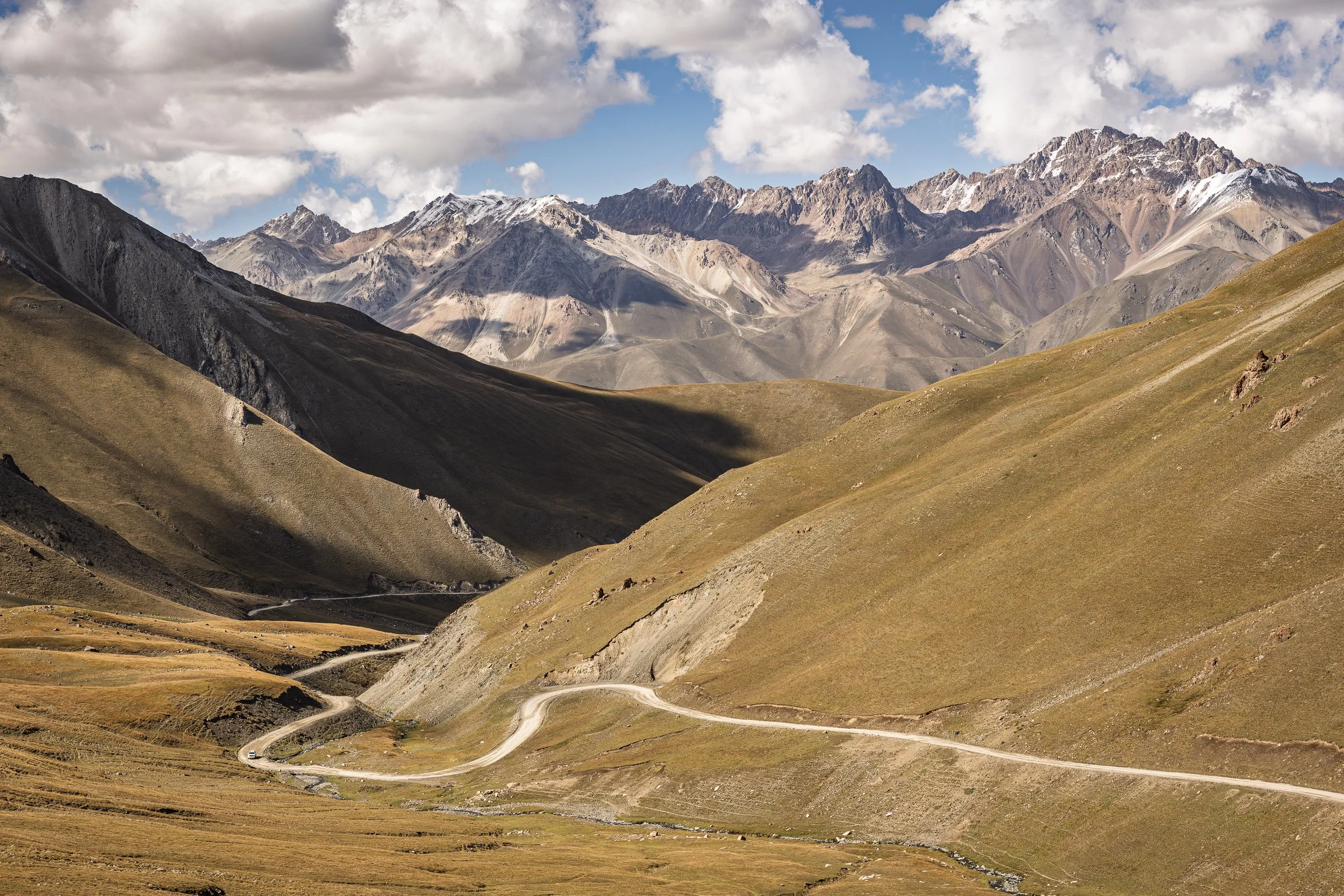
The mountains and the sheer scale of the place were impossible to miss. But it was the absence of boundaries that stayed with me. Ireland, where I come from, has fine views too, but always across a patchwork of fields and smallholdings. There’s none of that on the high pastures of Kyrgyzstan.
The sense of freedom may be partly an illusion. Grazing rights up here are allocated and managed, and families return to the same pastures year after year. But the land carries no visible sign of it. After the crowded, parcelled-up landscapes most of us live among, that sense of space is a powerful draw, and perhaps one reason overseas visitors are coming to Kyrgyzstan in growing numbers.
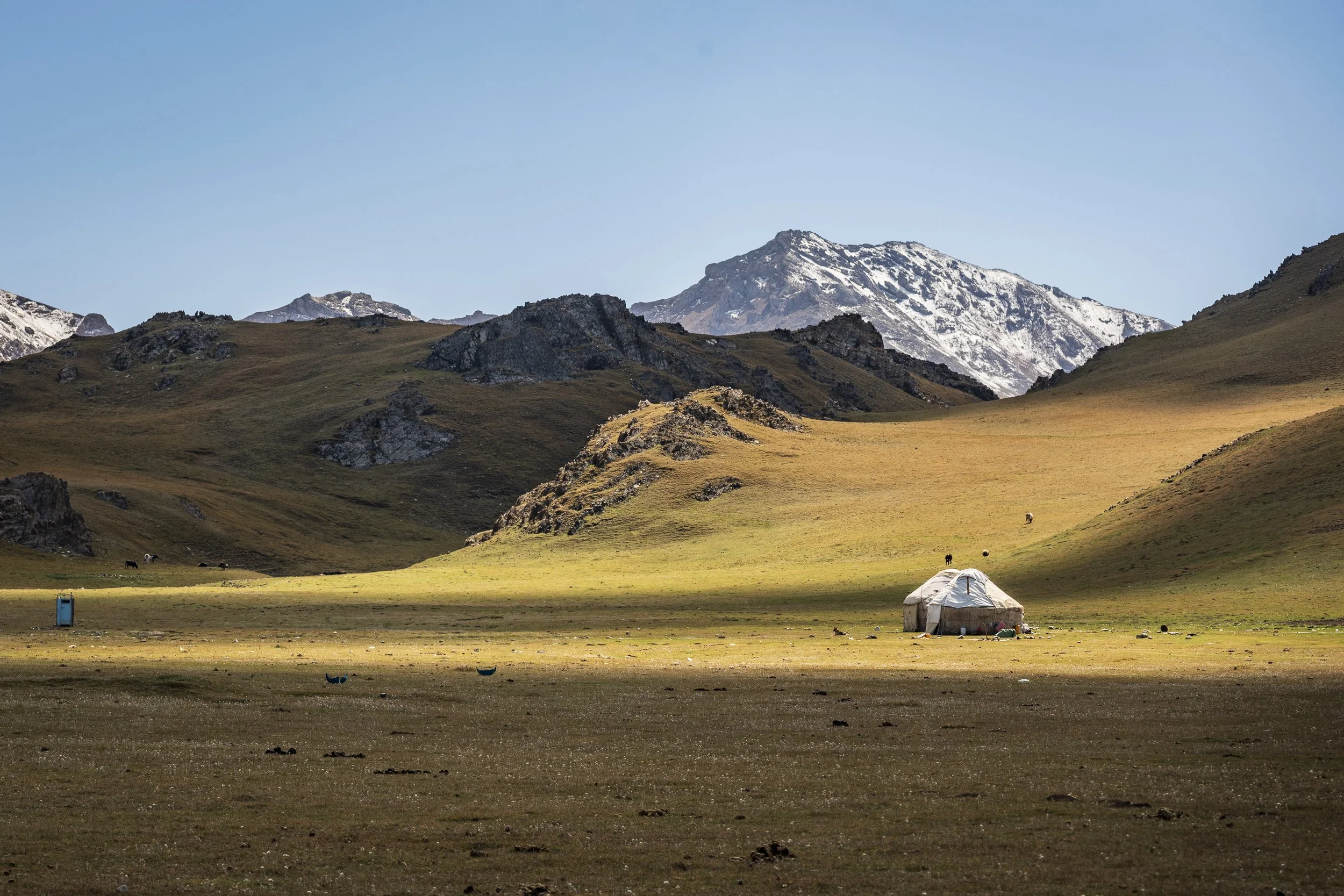
A herder’s yurt (and outside toilet - worthy of its own blog) near the shores of Son-Kul.
These high summer pastures are known as jailoo. For generations, Kyrgyz herding families have brought their livestock into the mountains during the warmer months, living in yurts before returning to lower ground for winter.
But what looks like an uninterrupted tradition has a more complicated history.
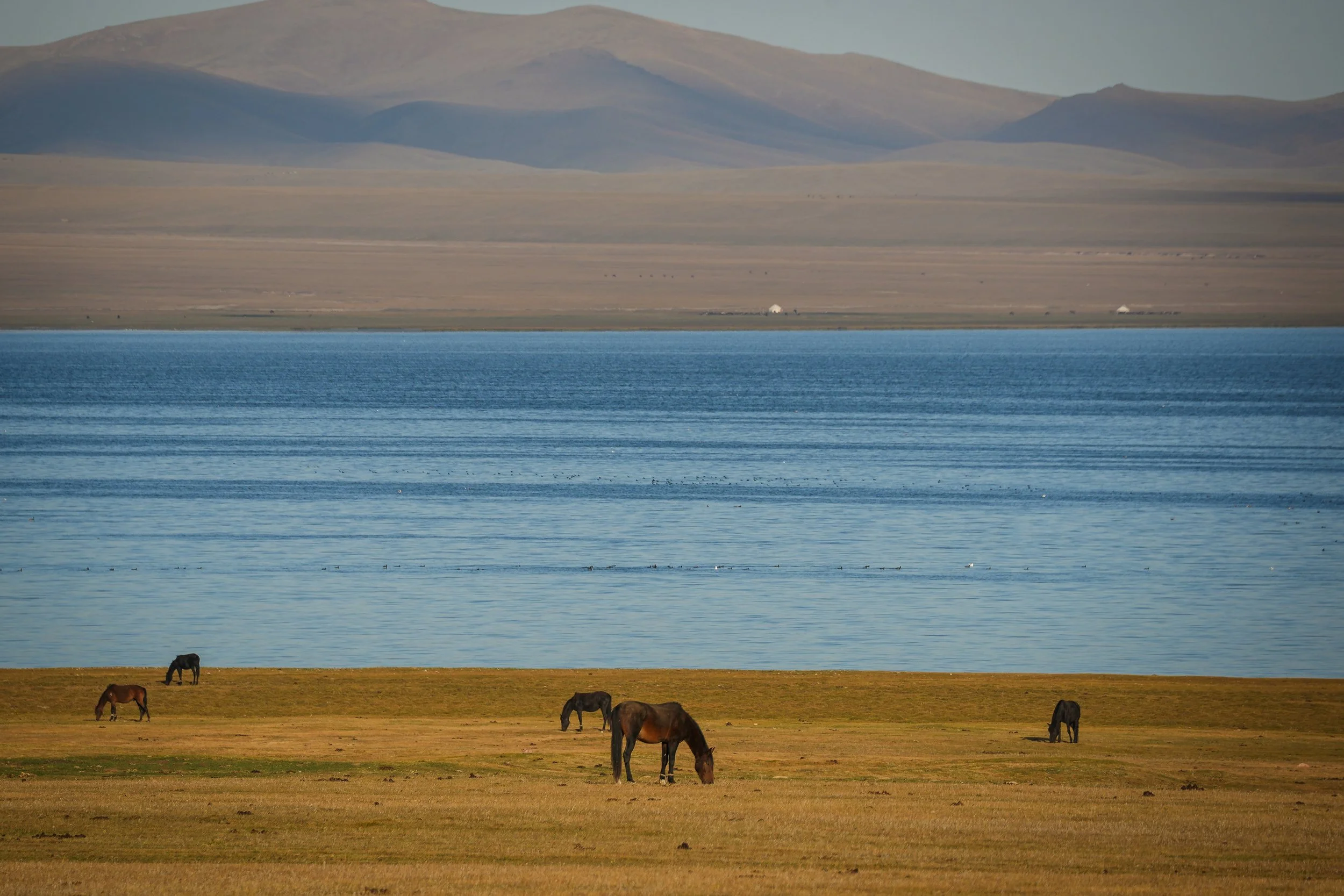
Horses graze on the shores of Son-Kul
Soviet collectivisation transformed Kyrgyzstan’s pastoral economy. Livestock came under collective and state ownership, families were encouraged or compelled to settle, and herding became part of a centrally managed agricultural system. Seasonal movement to the high pastures continued, but under very different arrangements.
Following independence in 1991, the collective farms were dismantled and livestock passed into private hands. Families gradually rebuilt their livelihoods around smaller herds and seasonal grazing. What we see today is not simply an ancient way of life preserved intact, but one that has survived considerable upheaval and continues to adapt.
Tourism is part of that adaptation.
Kyrgyzstan isn't preserving its nomadic traditions as a backdrop for Instagram influencers — although the eagle hunters of Bokonbaevo appear to be doing a reasonable trade from it And good for them.
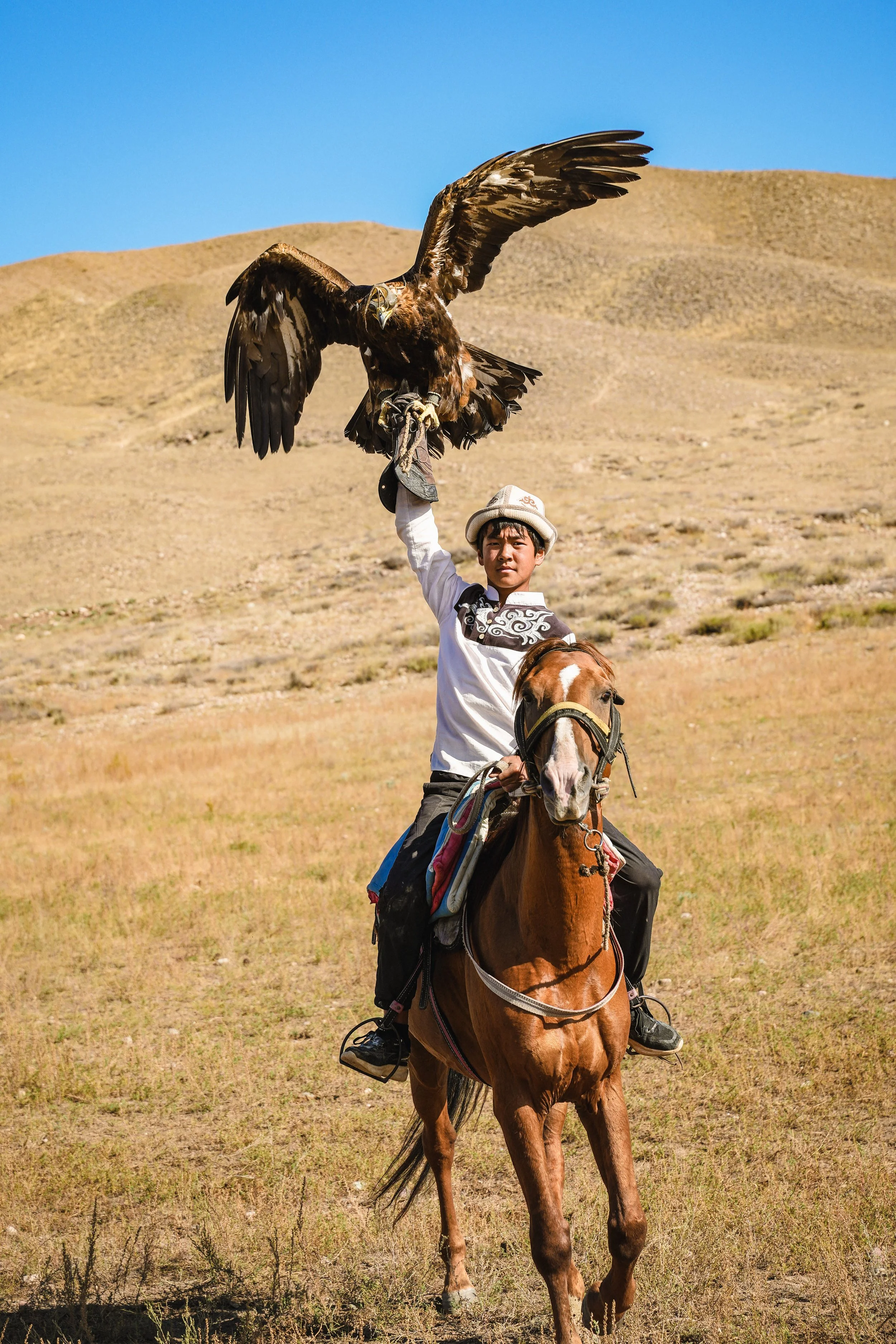
A young eagle hunter in Bokonbaevo
On the jailoo itself, the arrangement is more practical. Around Son-Kul, many herding families supplement their incomes by accommodating visitors in yurts, providing meals and arranging horse treks. Independent travellers and organised groups share the pastures with working herders and their animals.
But this is no nomadic theme park. Horses remain working animals, livestock still needs tending, and life in the mountains continues regardless of whether visitors are watching. Tourism is becoming one of the ways these traditions remain economically viable.
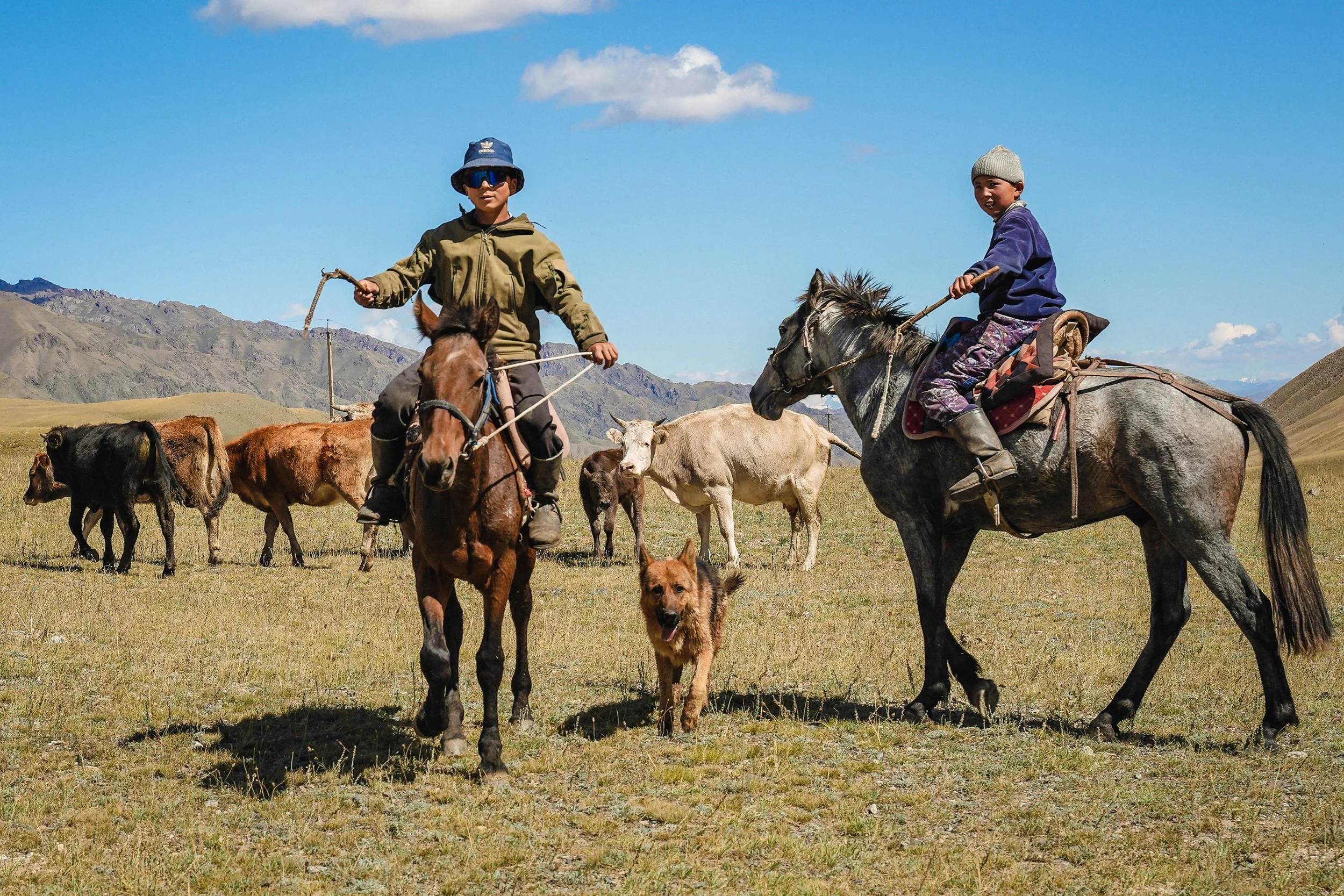
Young Kyrgyz cowboys and their dog coral their cattle
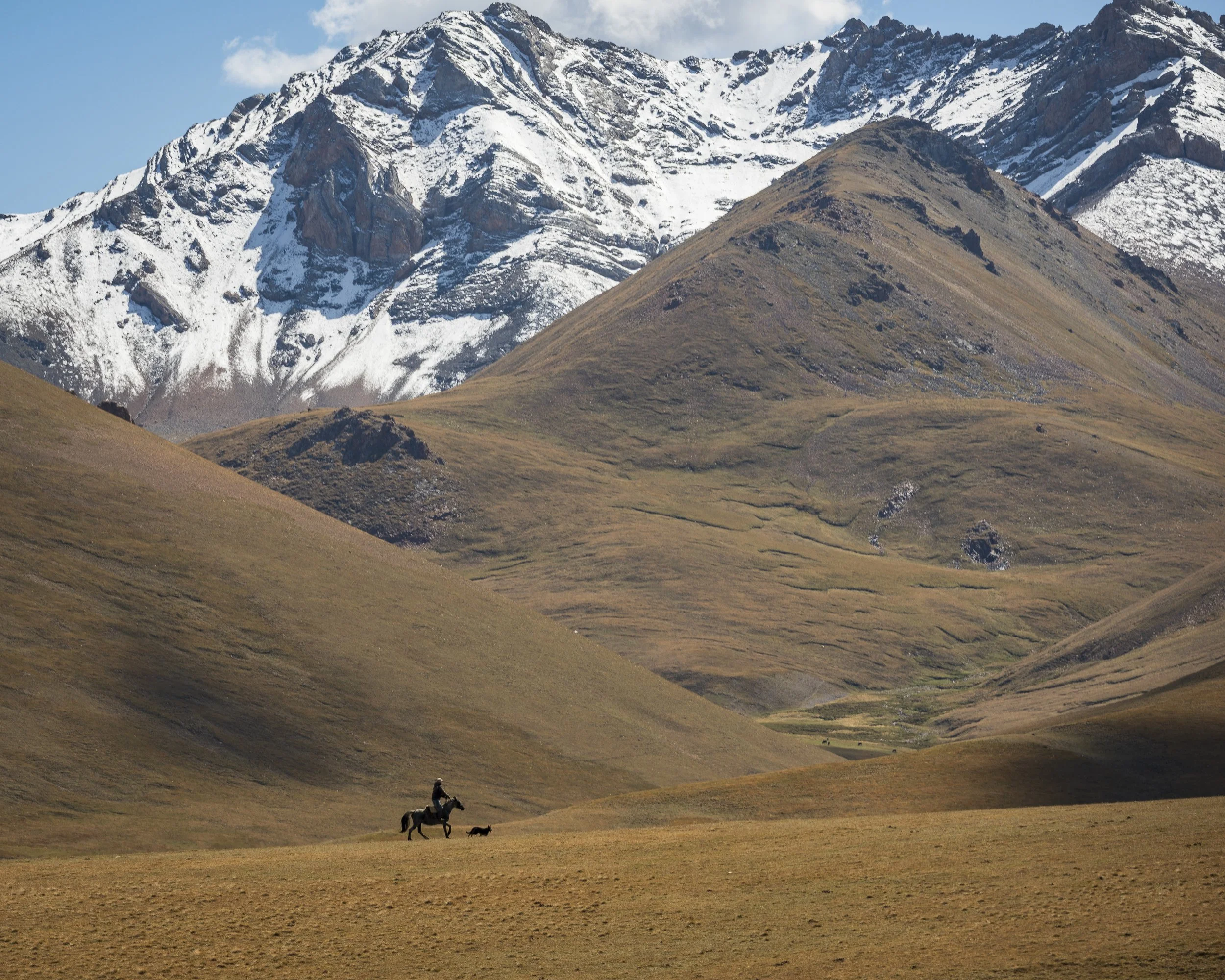
A lone herder and his dog en route to round up animals to begin their journey to the lower winter pastures.
The modern world has arrived in other ways, too.
