Beyond the familiar Silk Road cities of Uzbekistan lies Karakalpakstan, an autonomous republic bordering what remains of the Aral Sea.
Once one of the world's largest inland lakes, the Aral Sea has lost around 90% of its surface area since the 1960s, largely as a result of Soviet irrigation schemes that diverted the rivers feeding it.
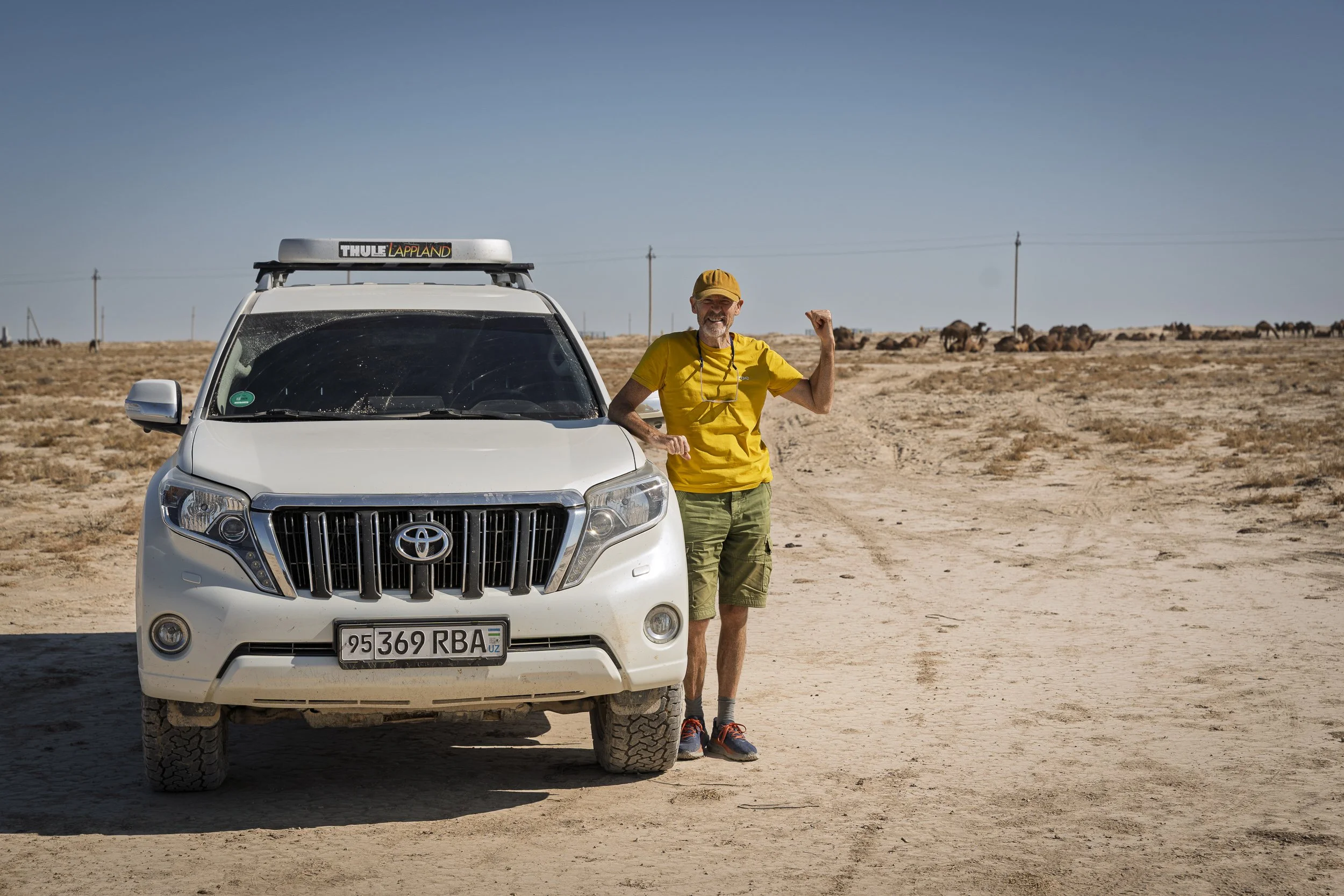
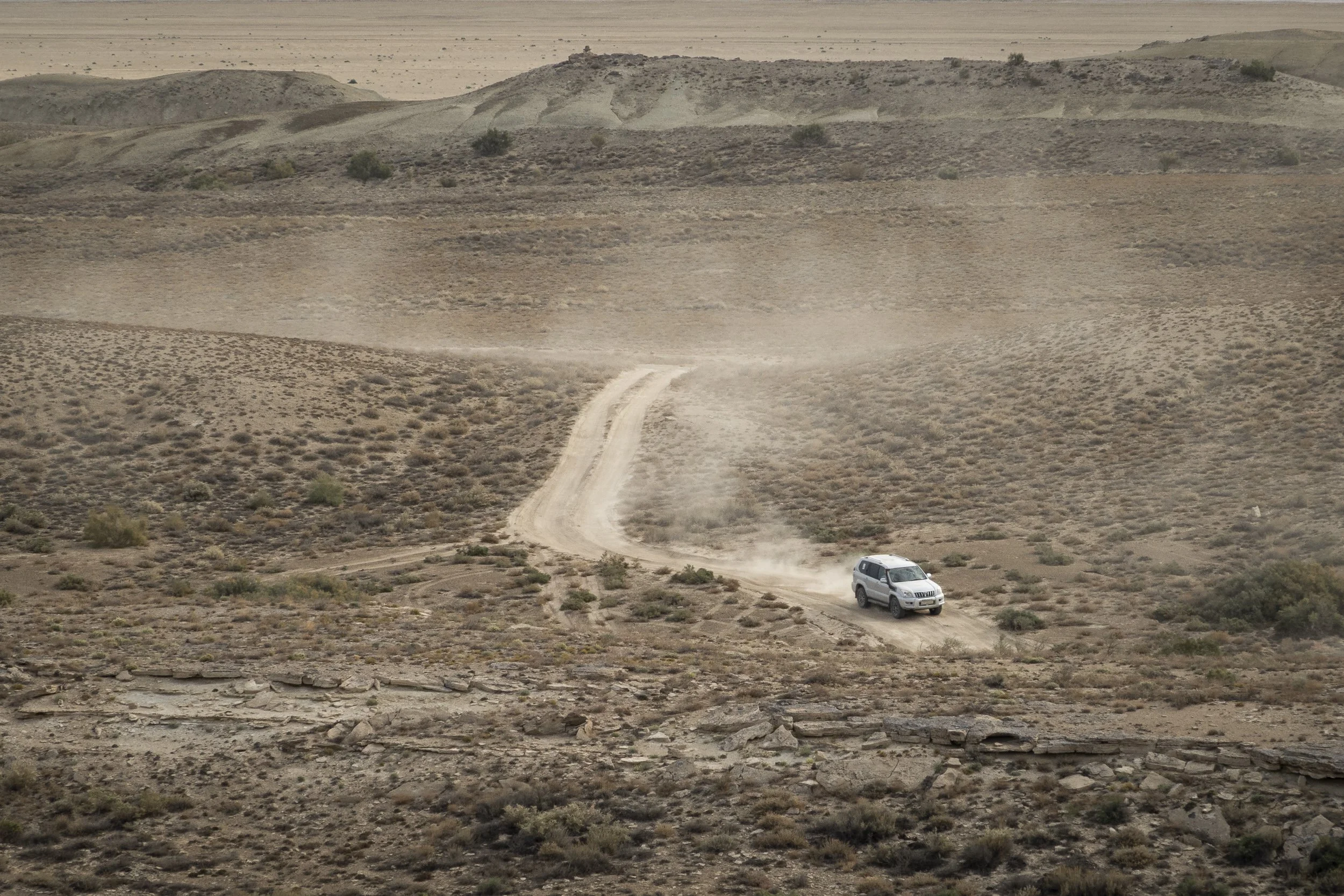
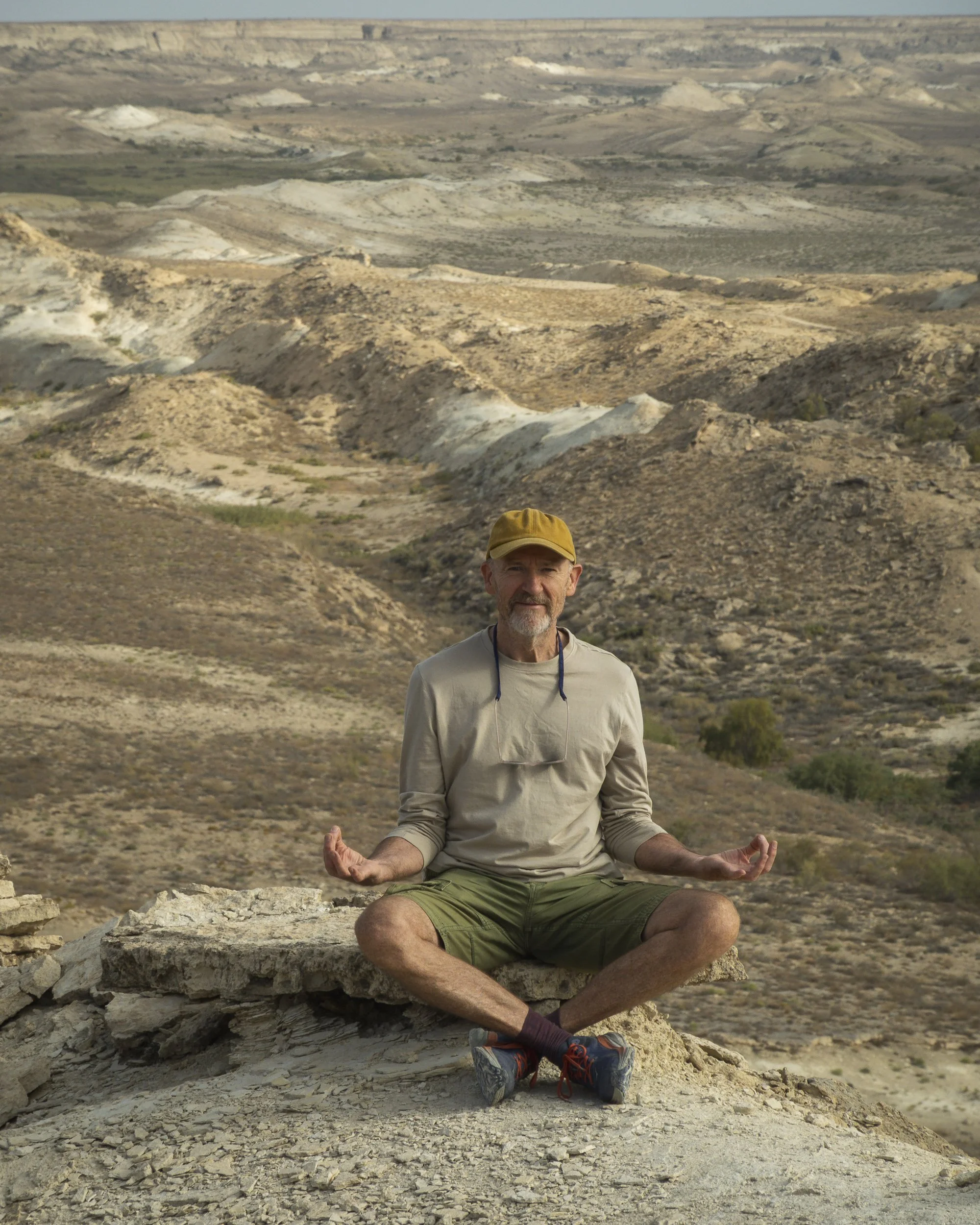
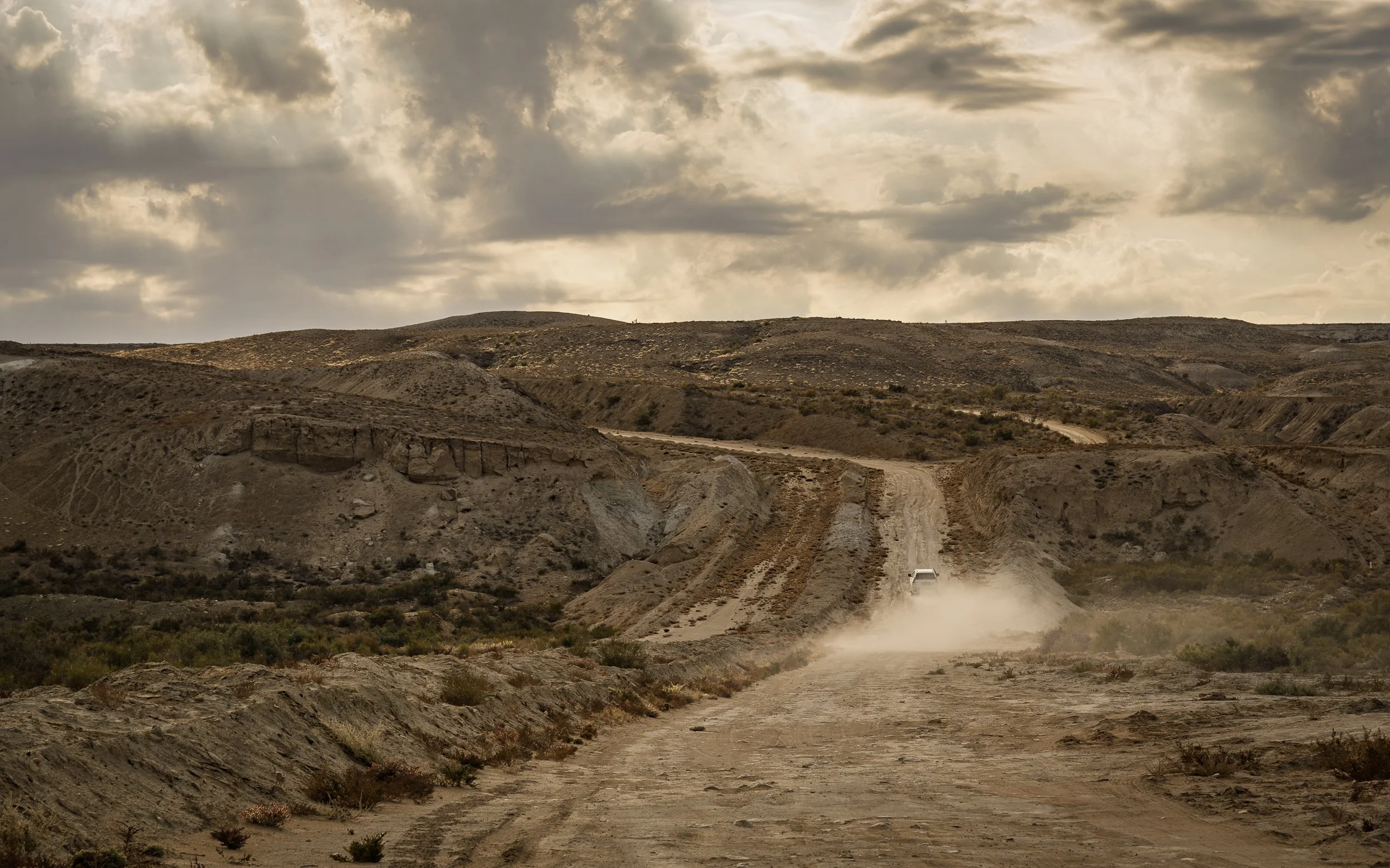
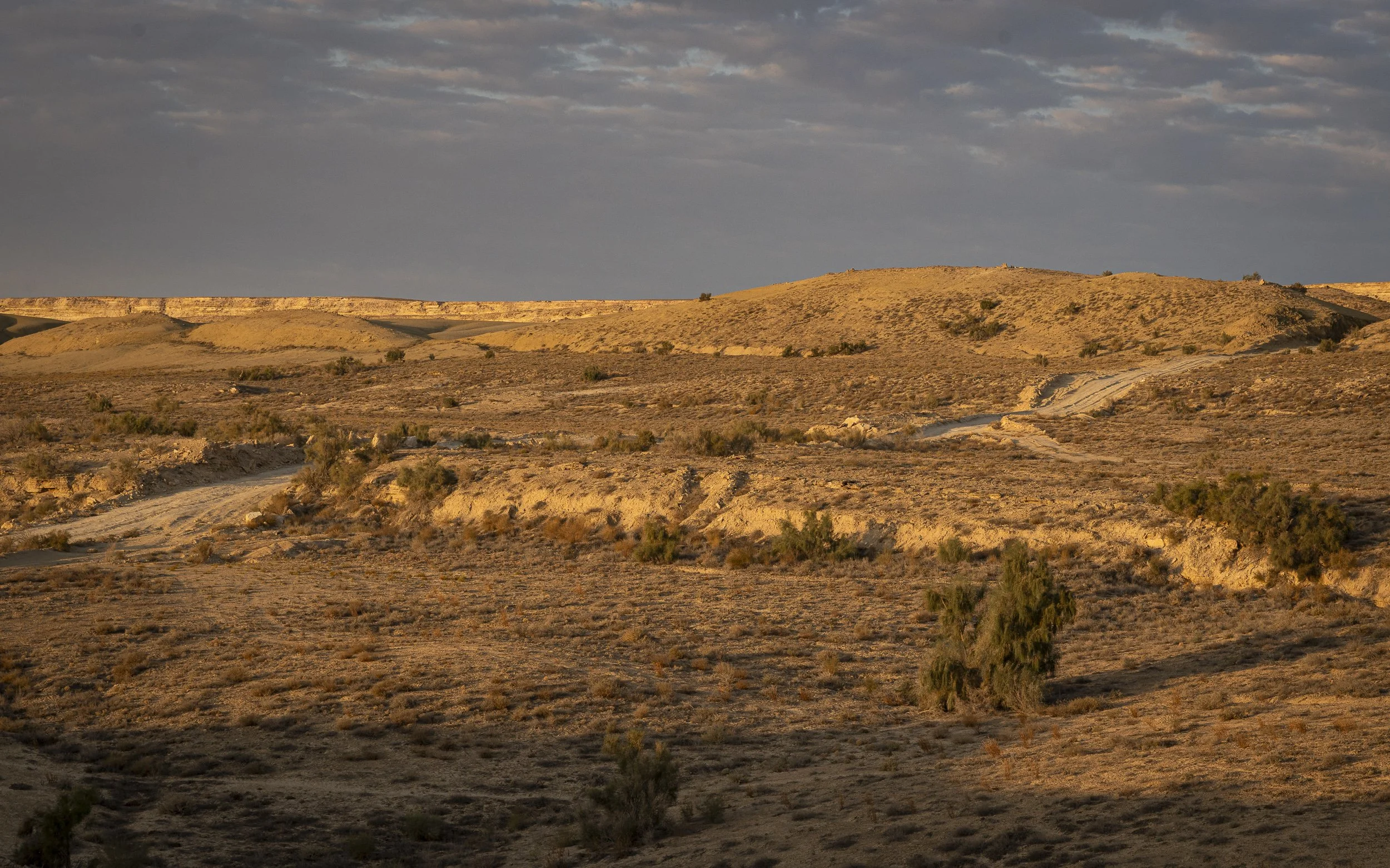
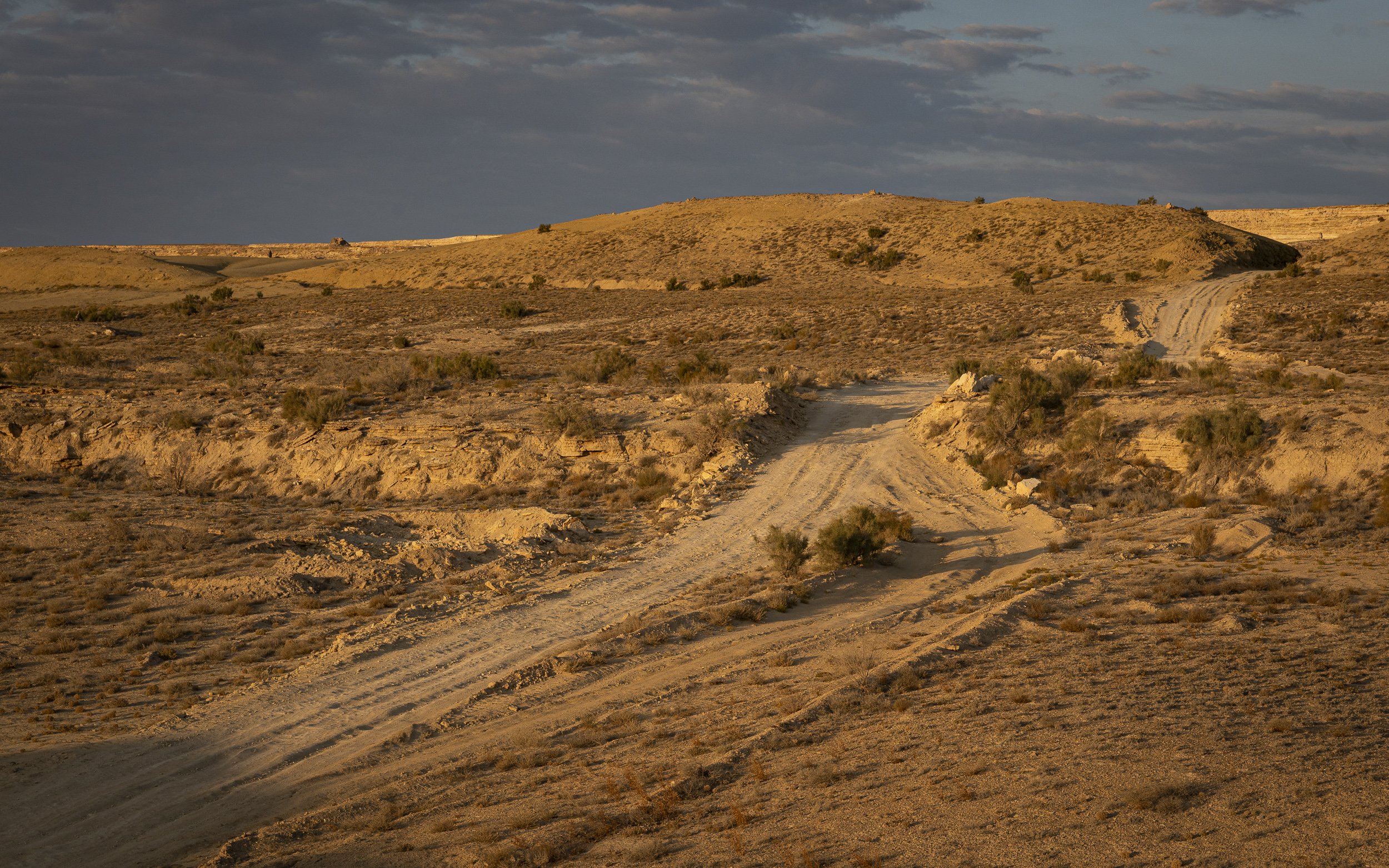
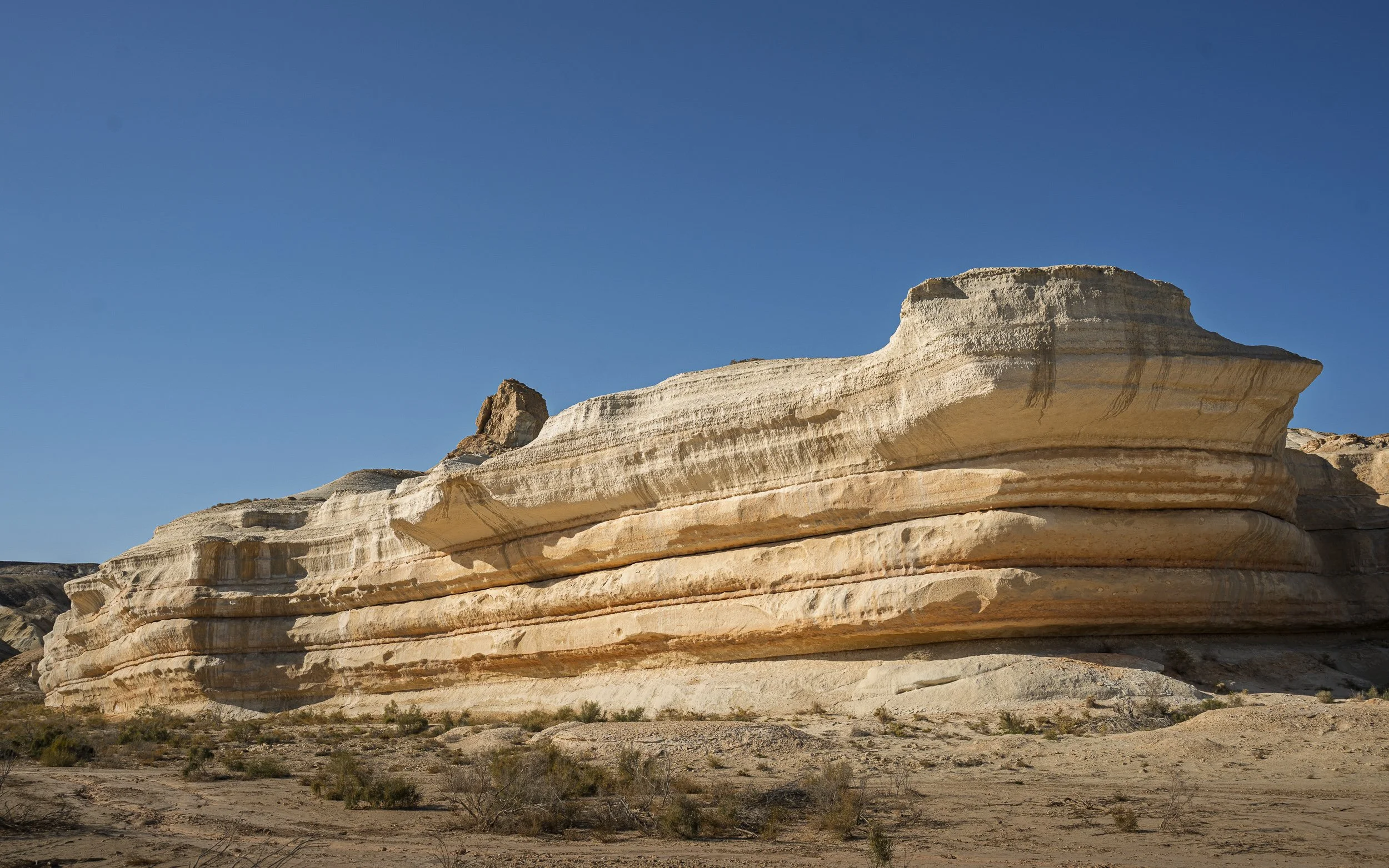
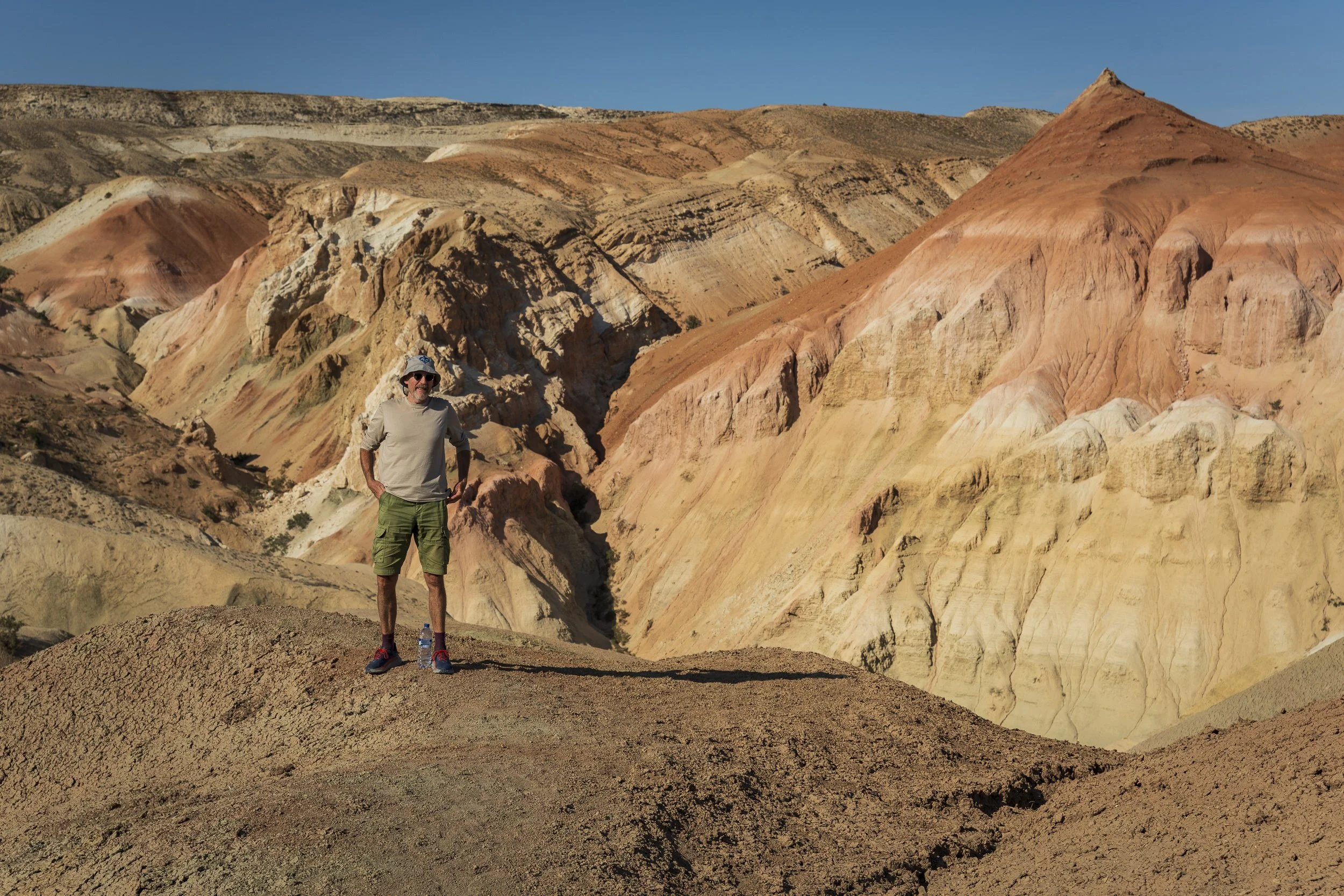
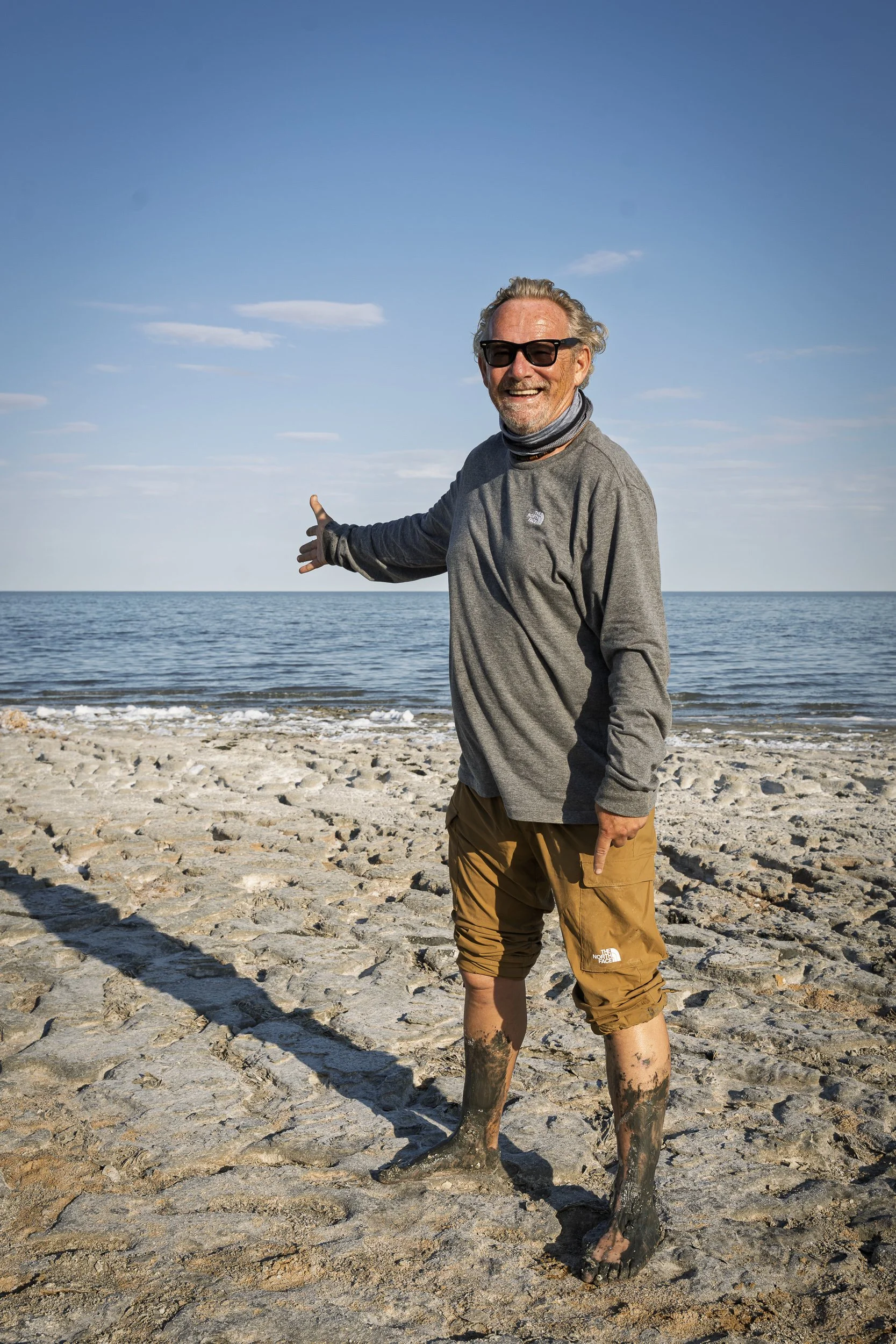
We travelled west through Nukus and Moynak, then hundreds of kilometres beyond the paved roads to the remaining shoreline. It is one of the most remote and unforgiving landscapes I've encountered.
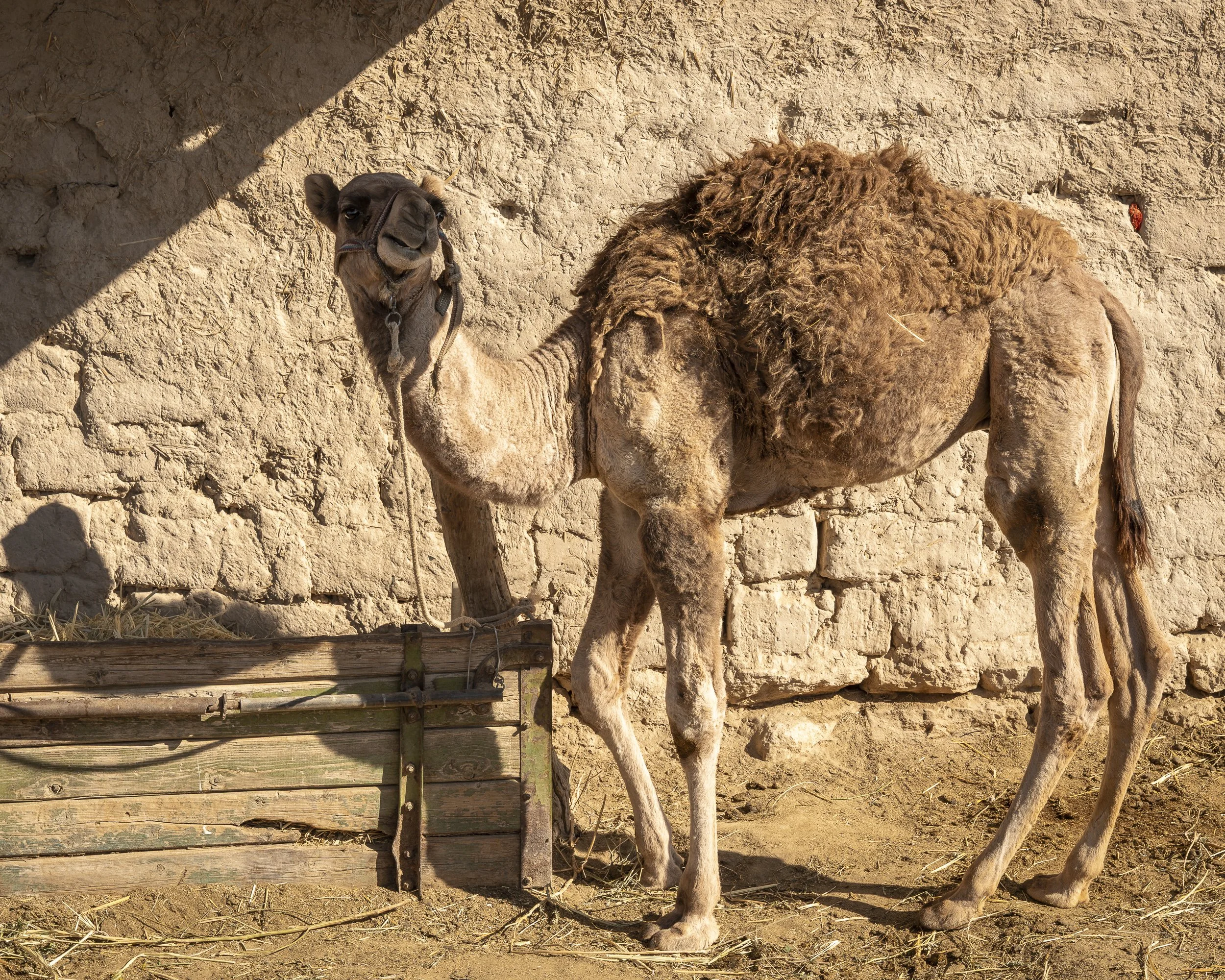
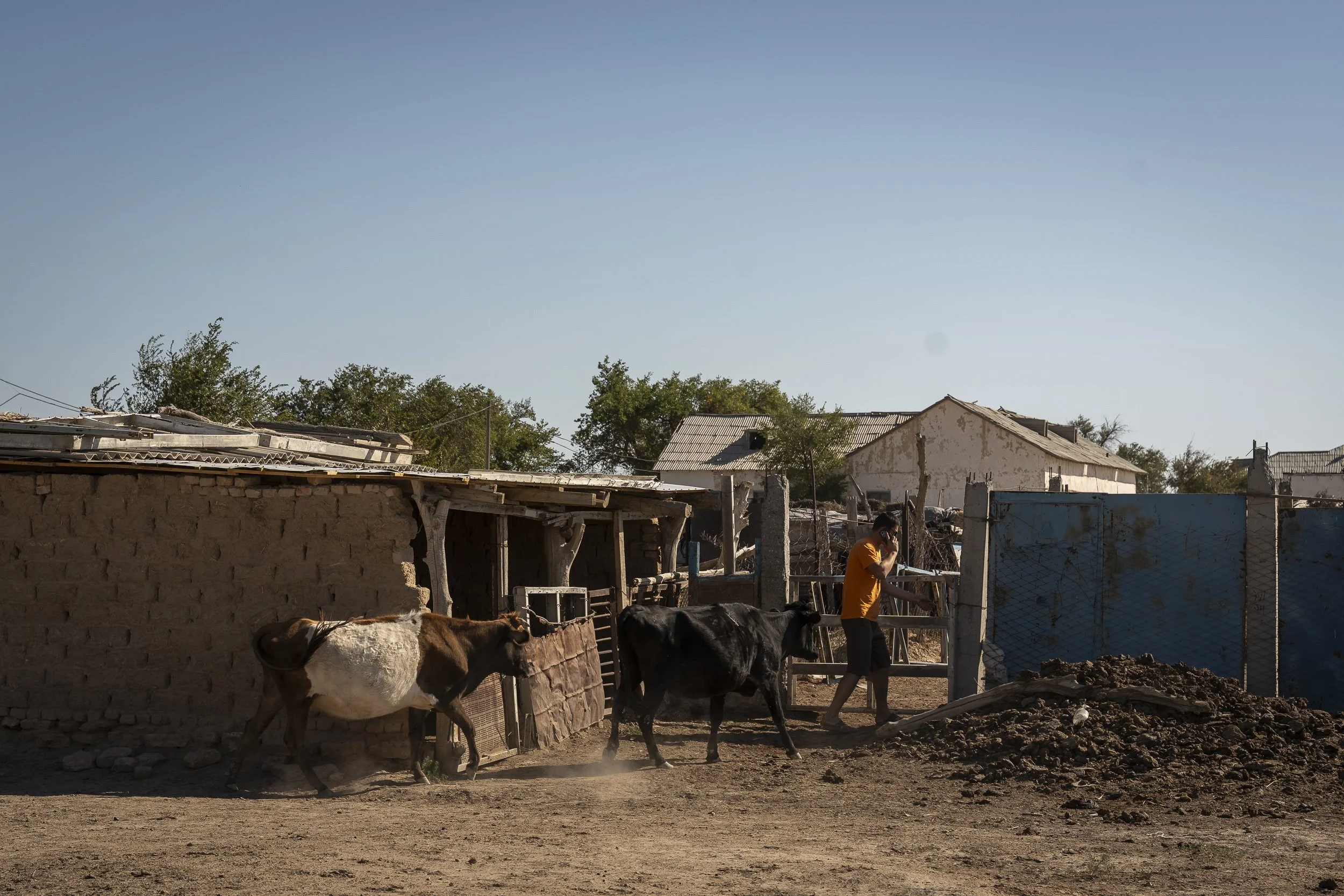
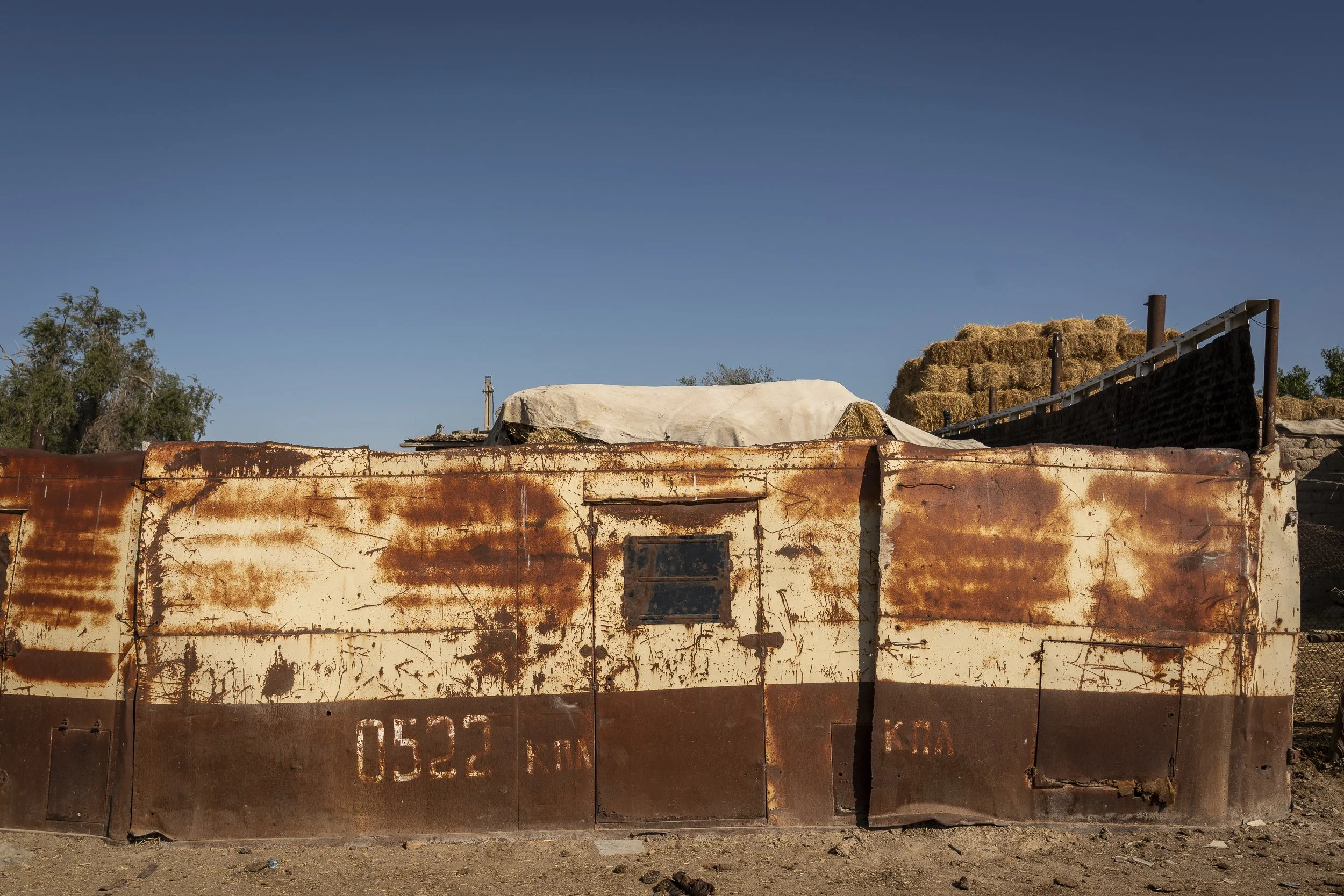
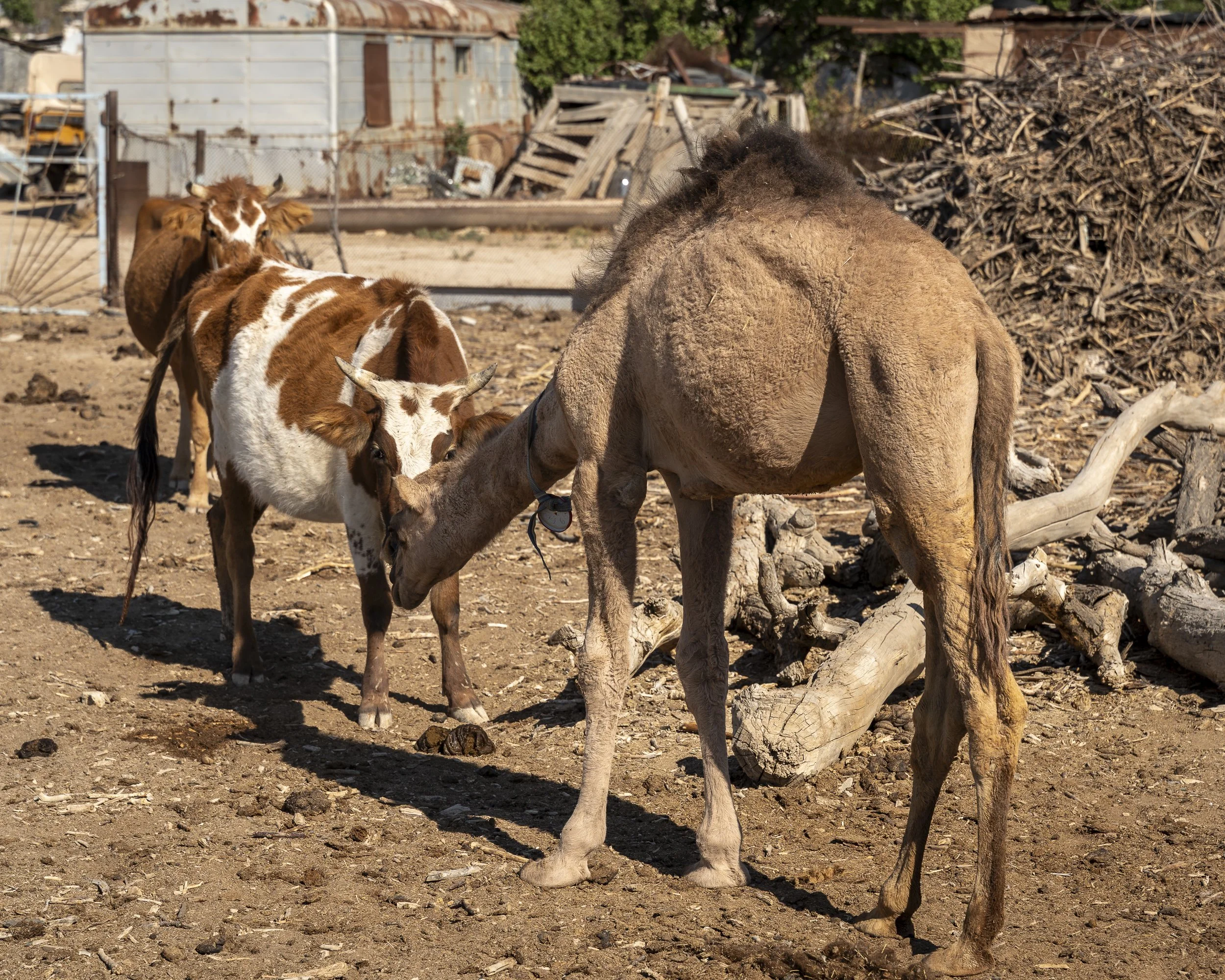
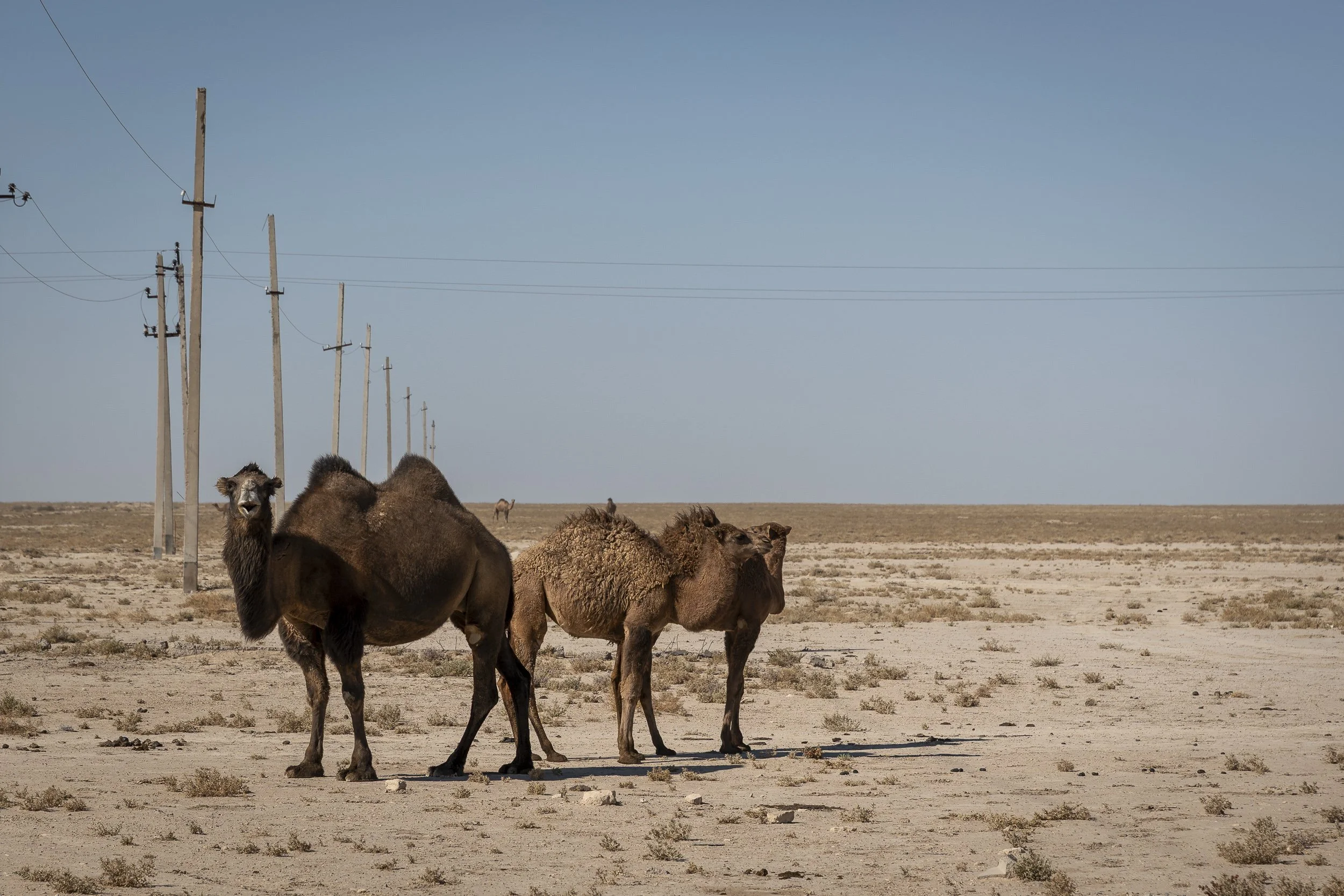
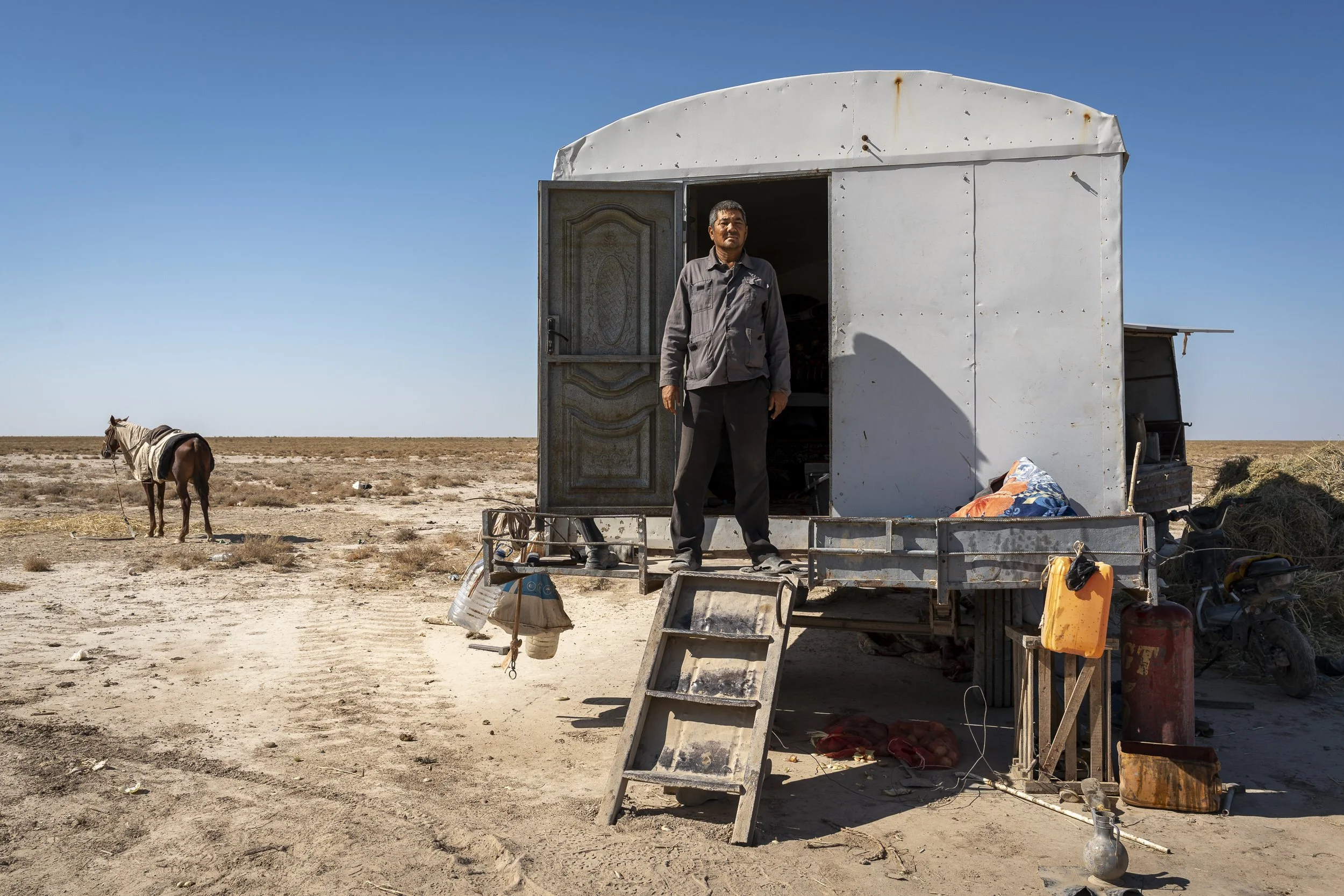
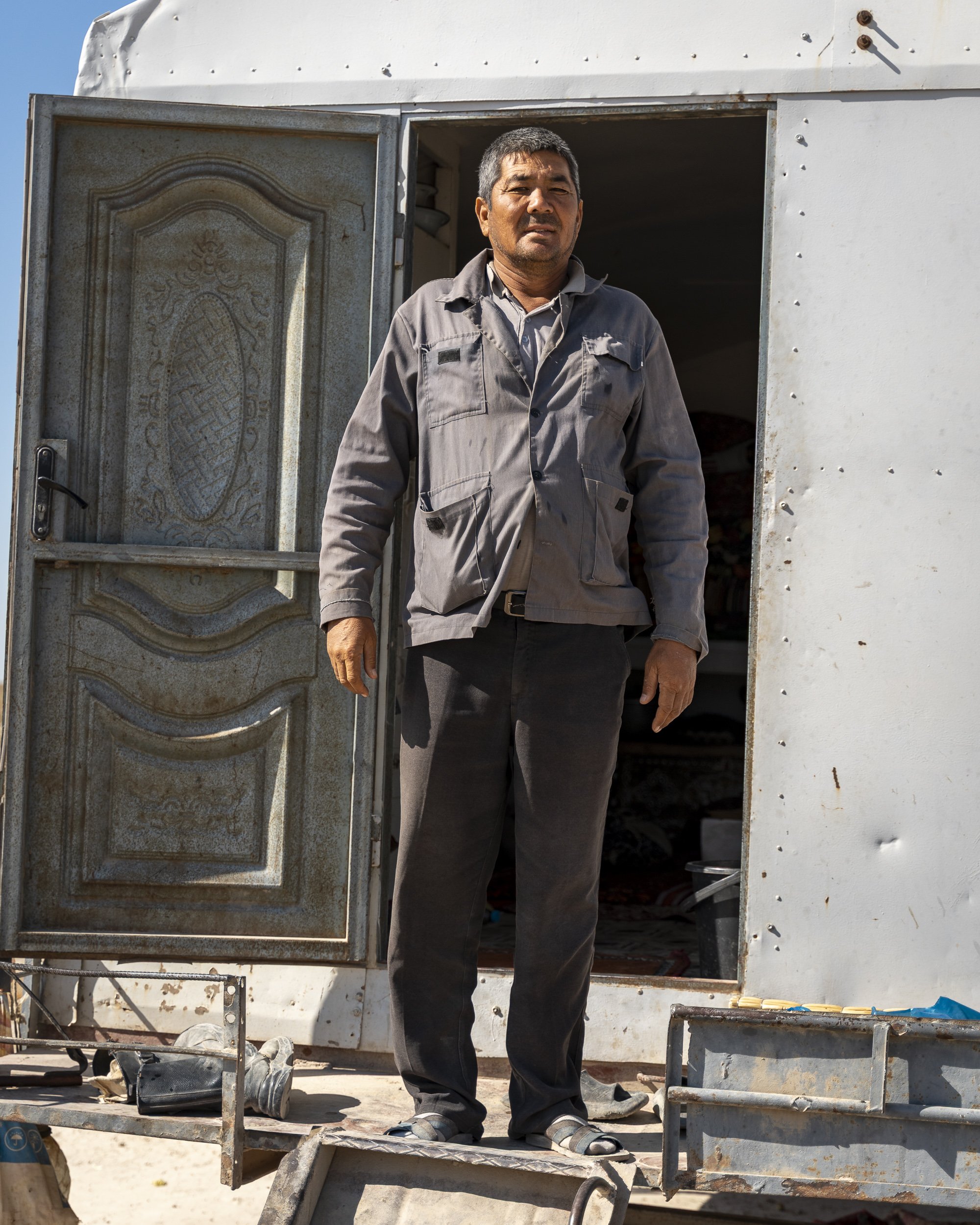
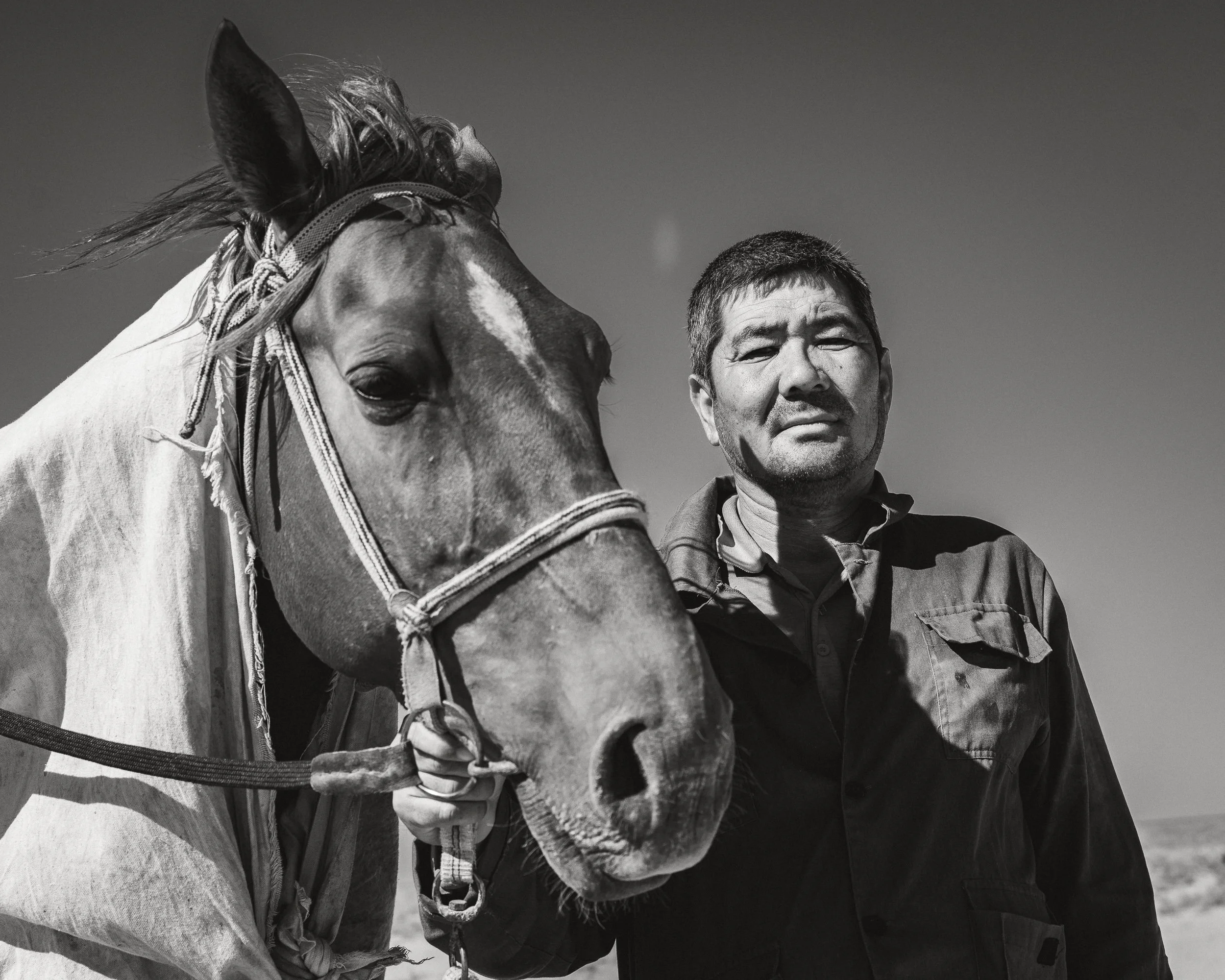
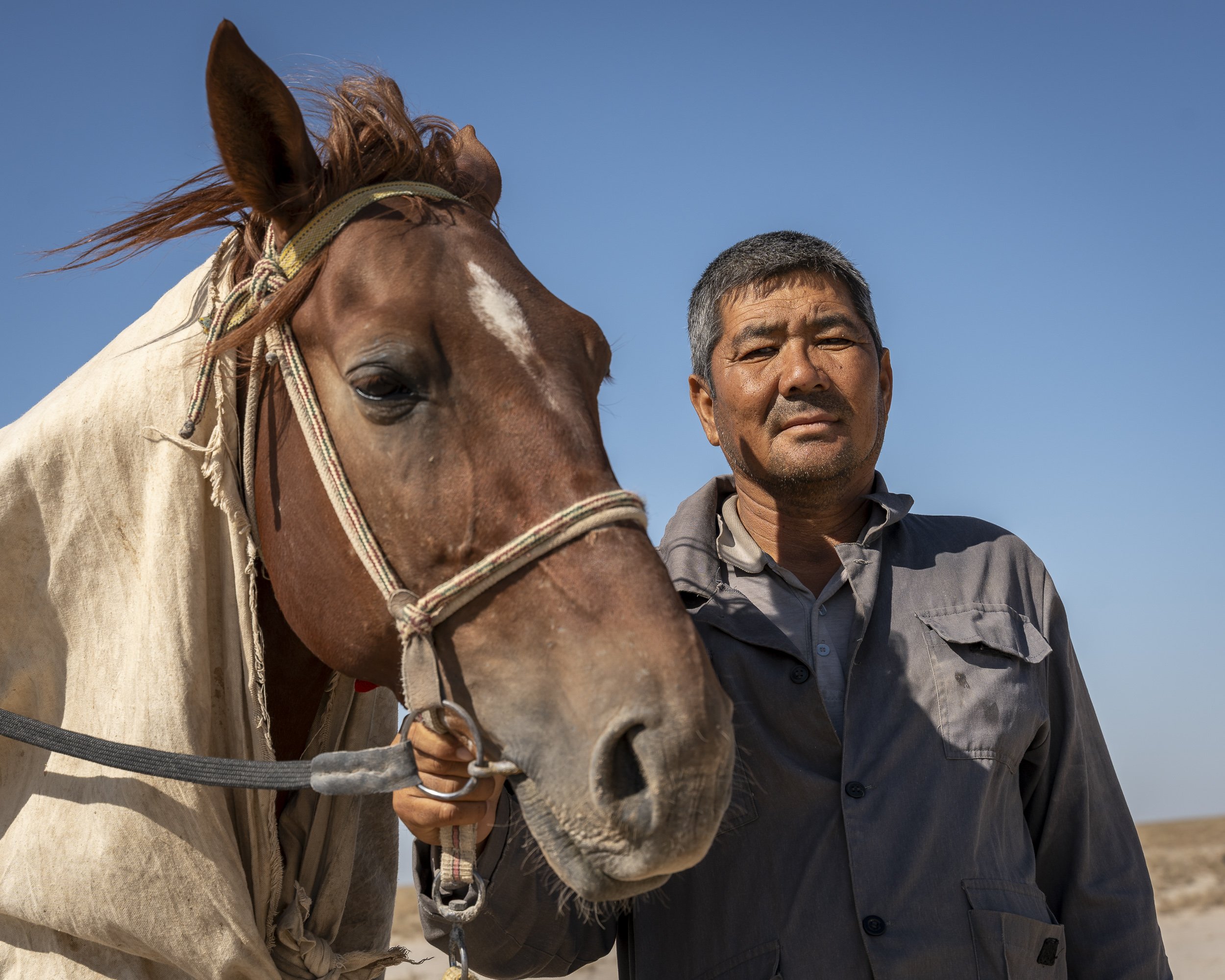
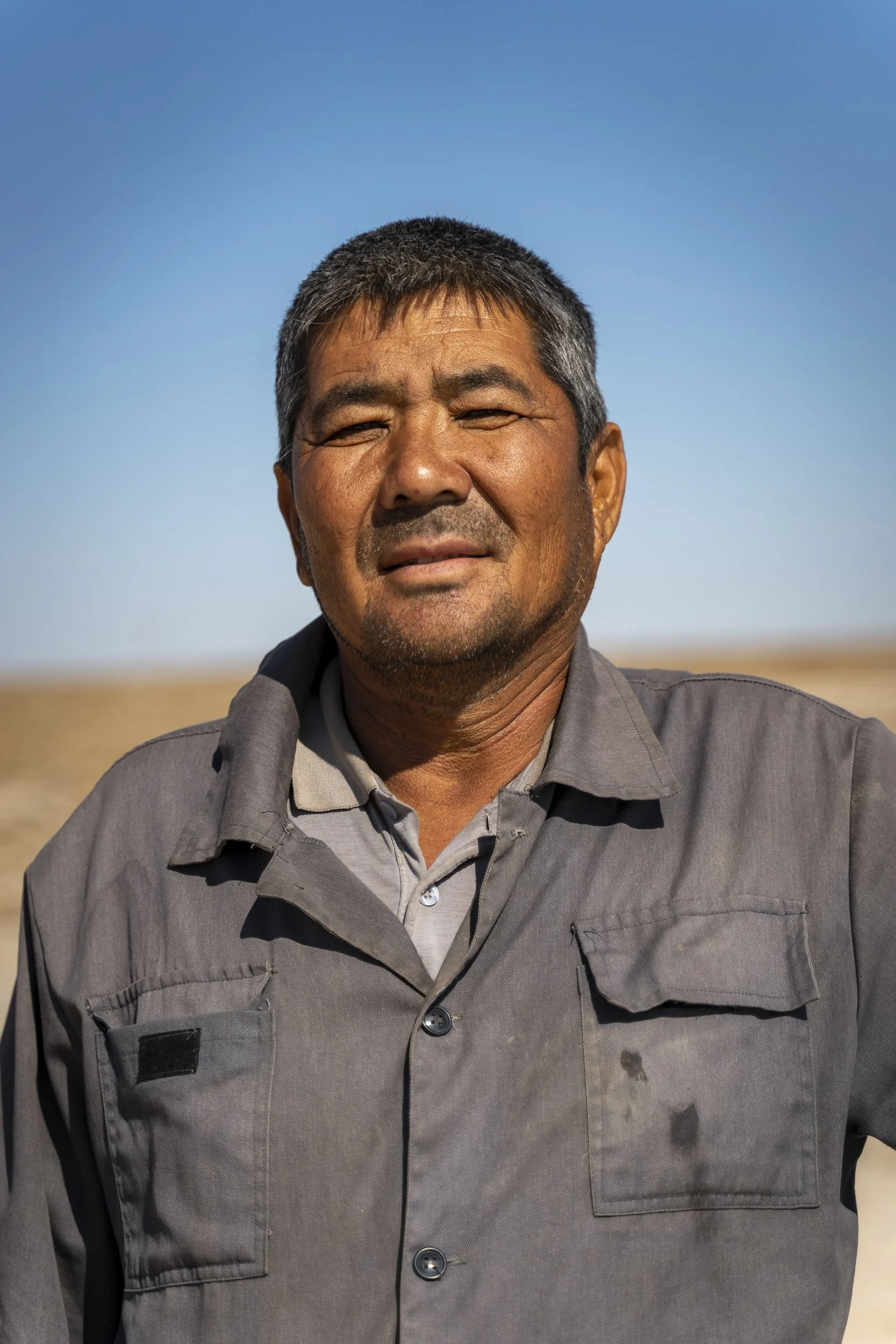
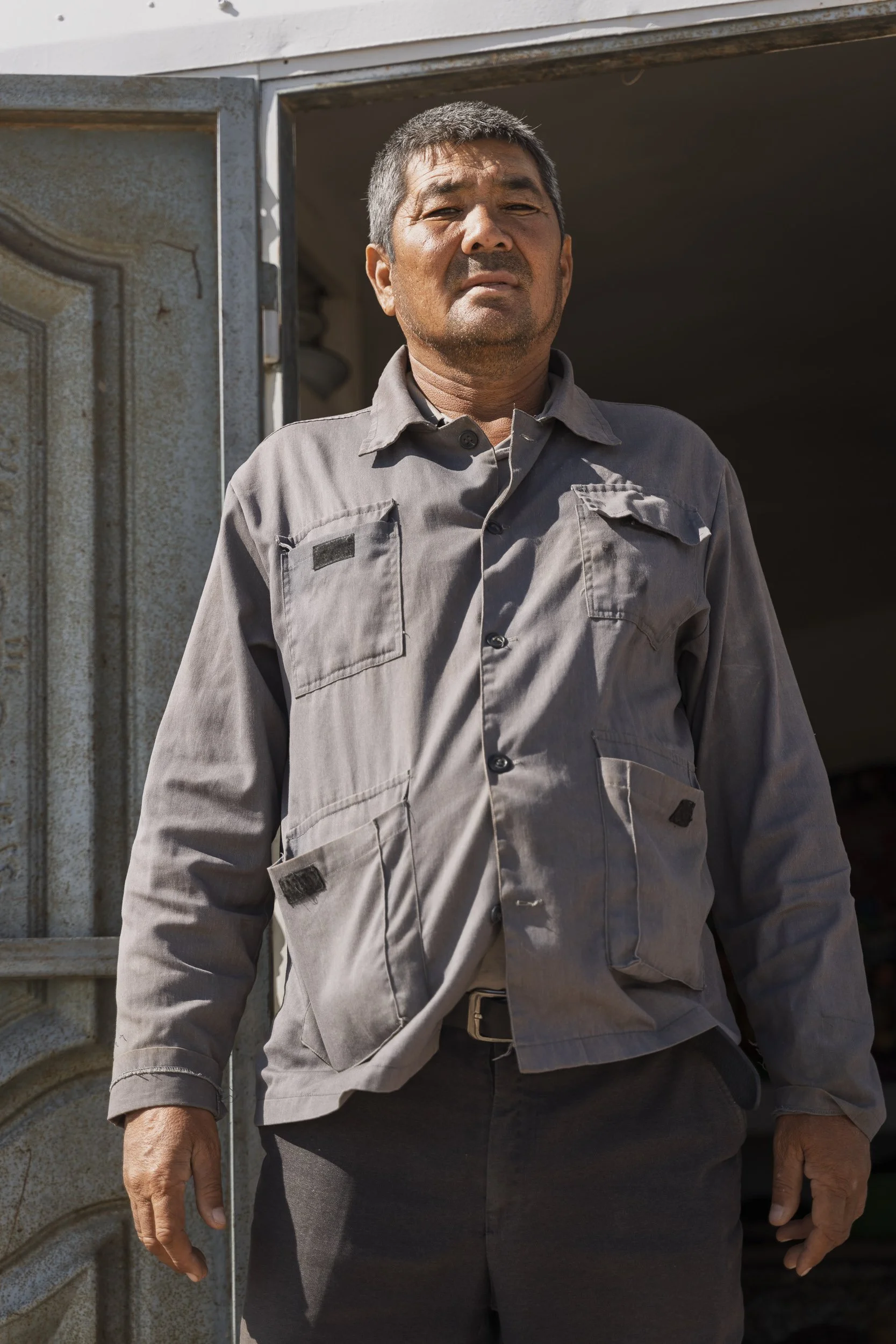
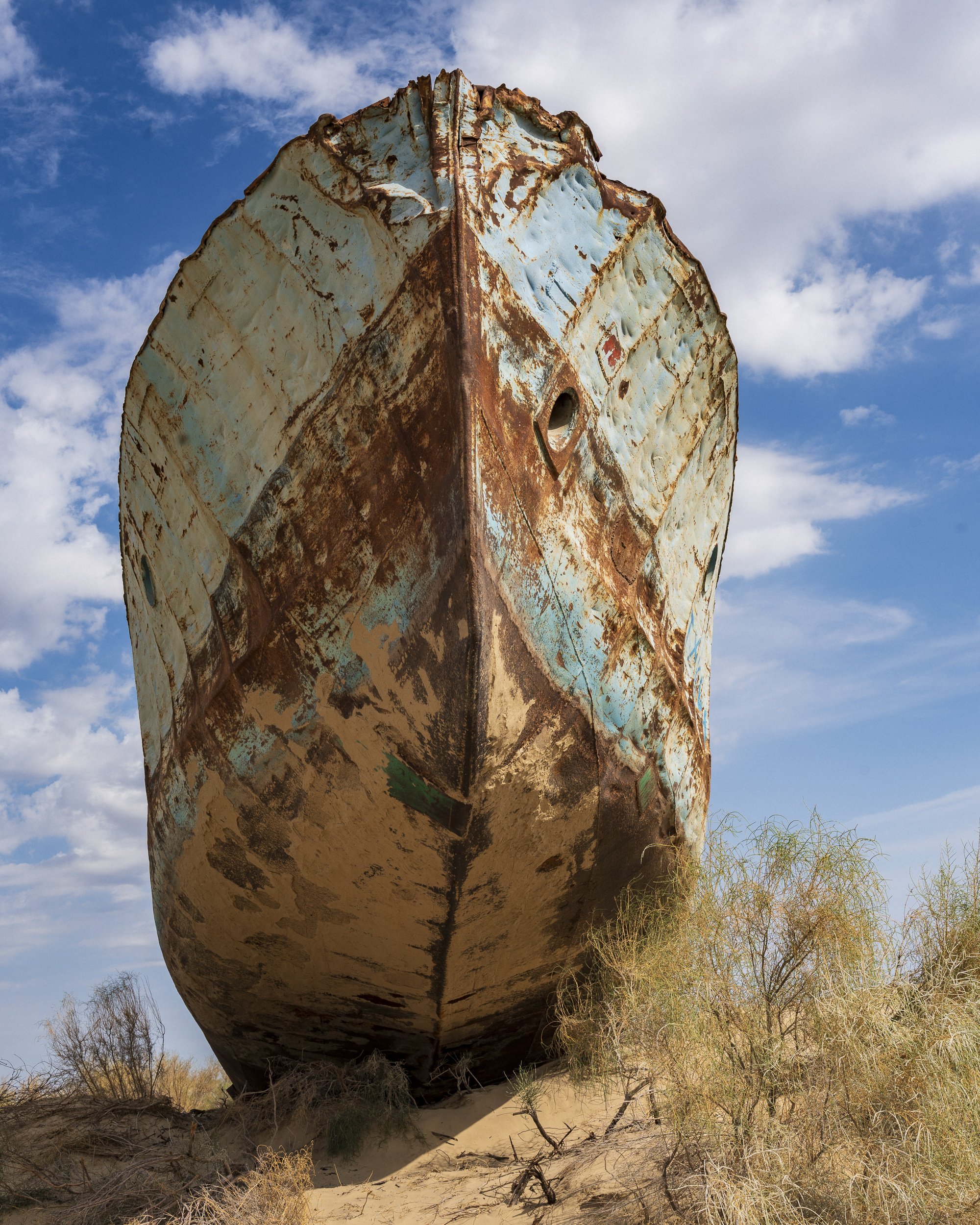
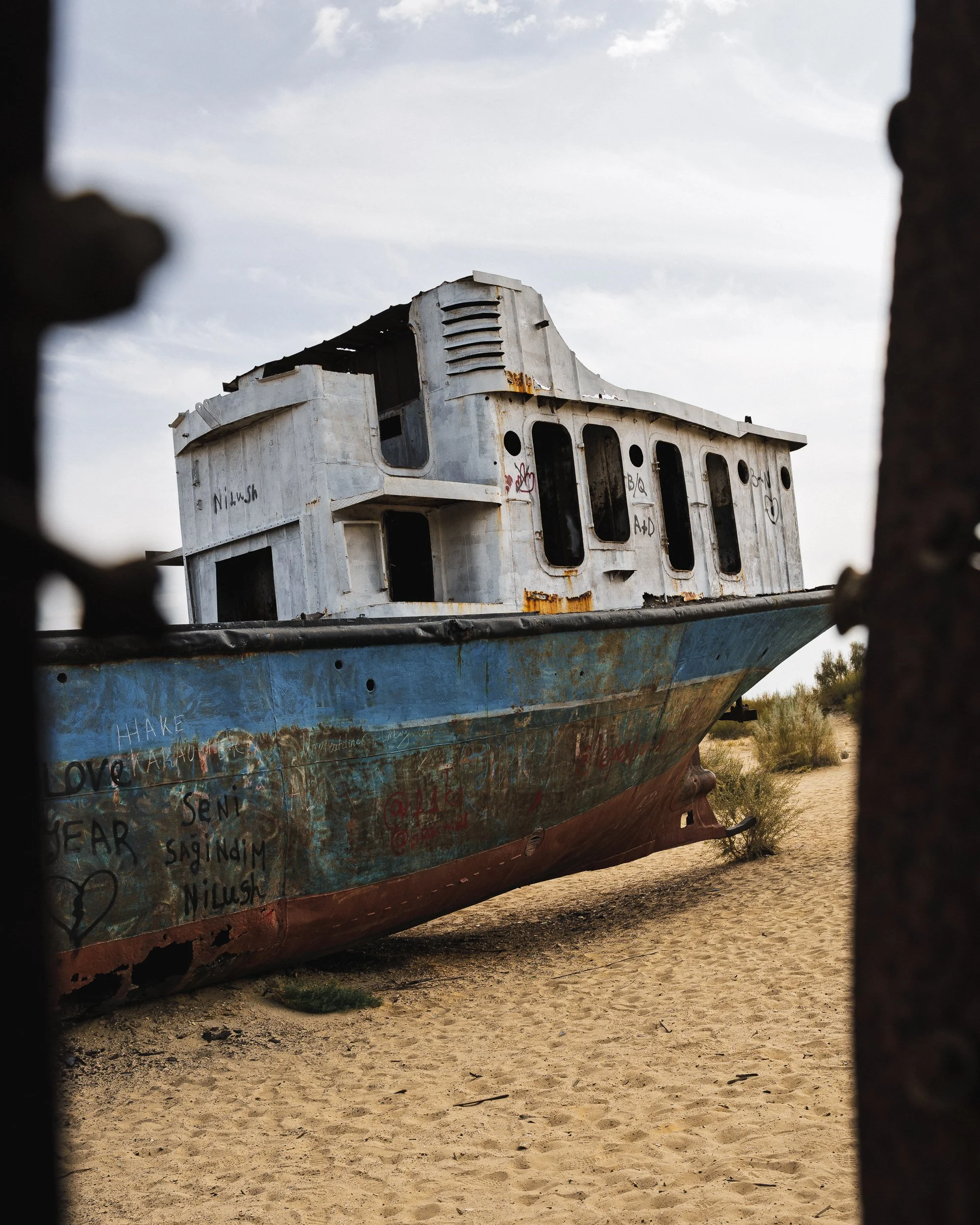
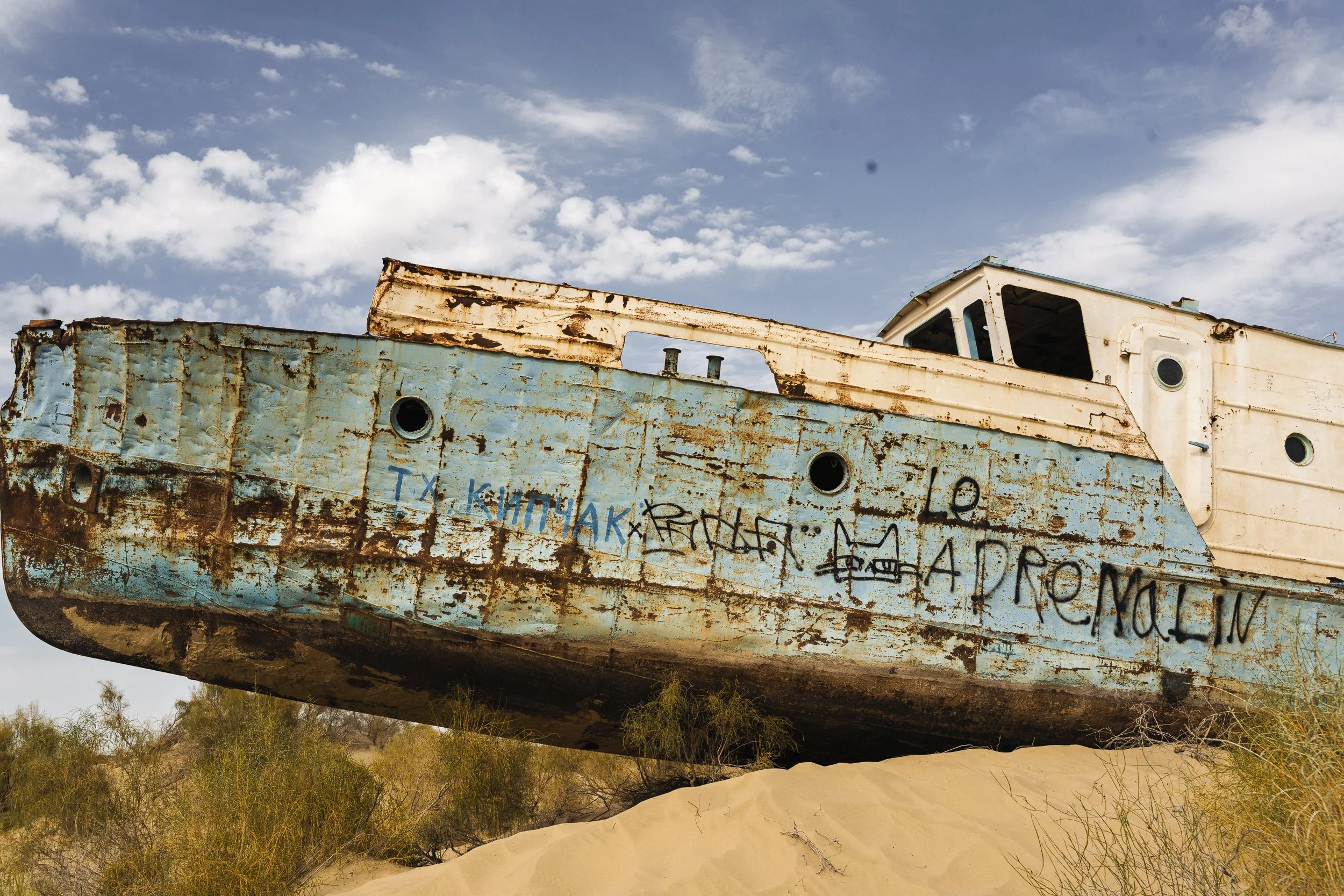
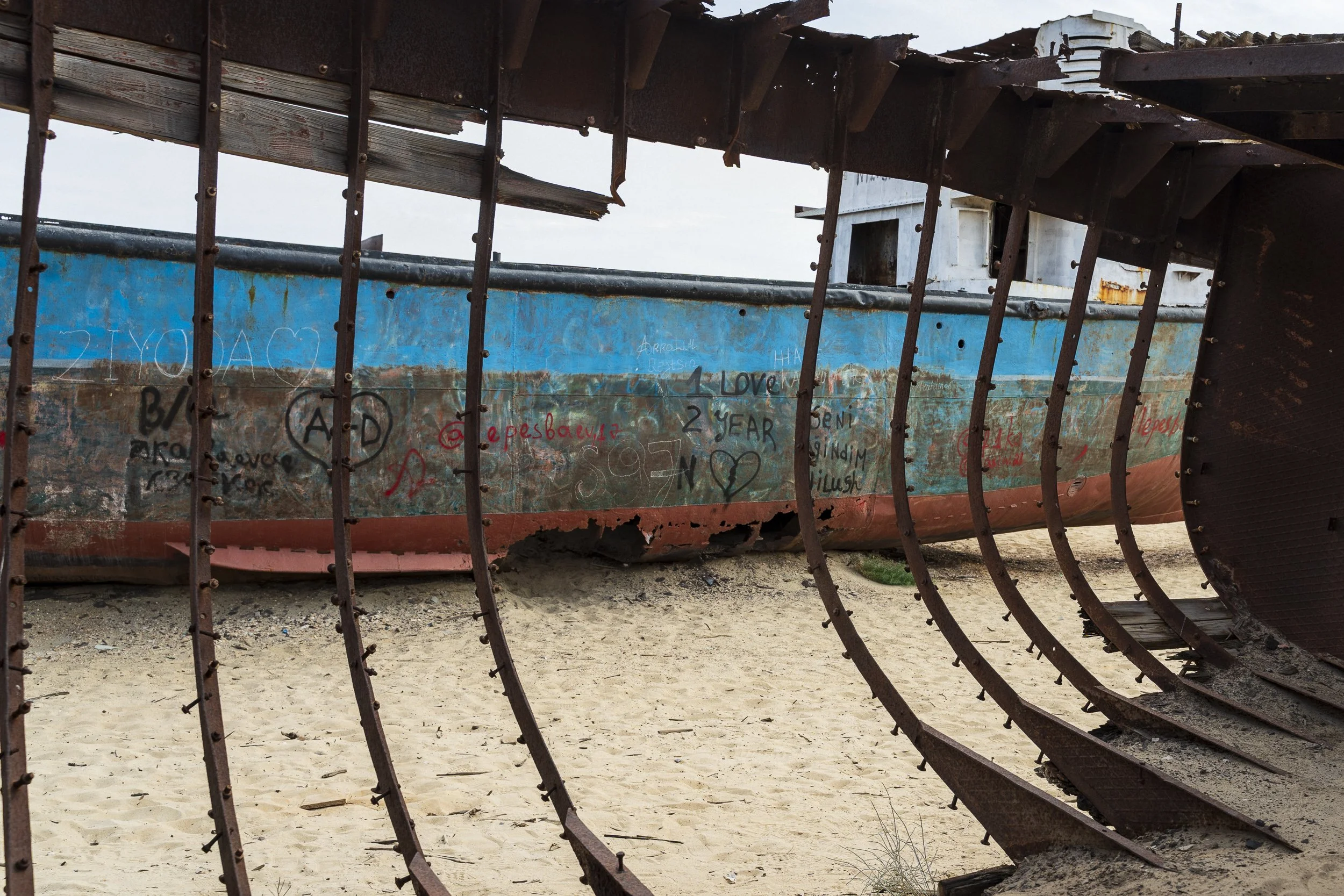
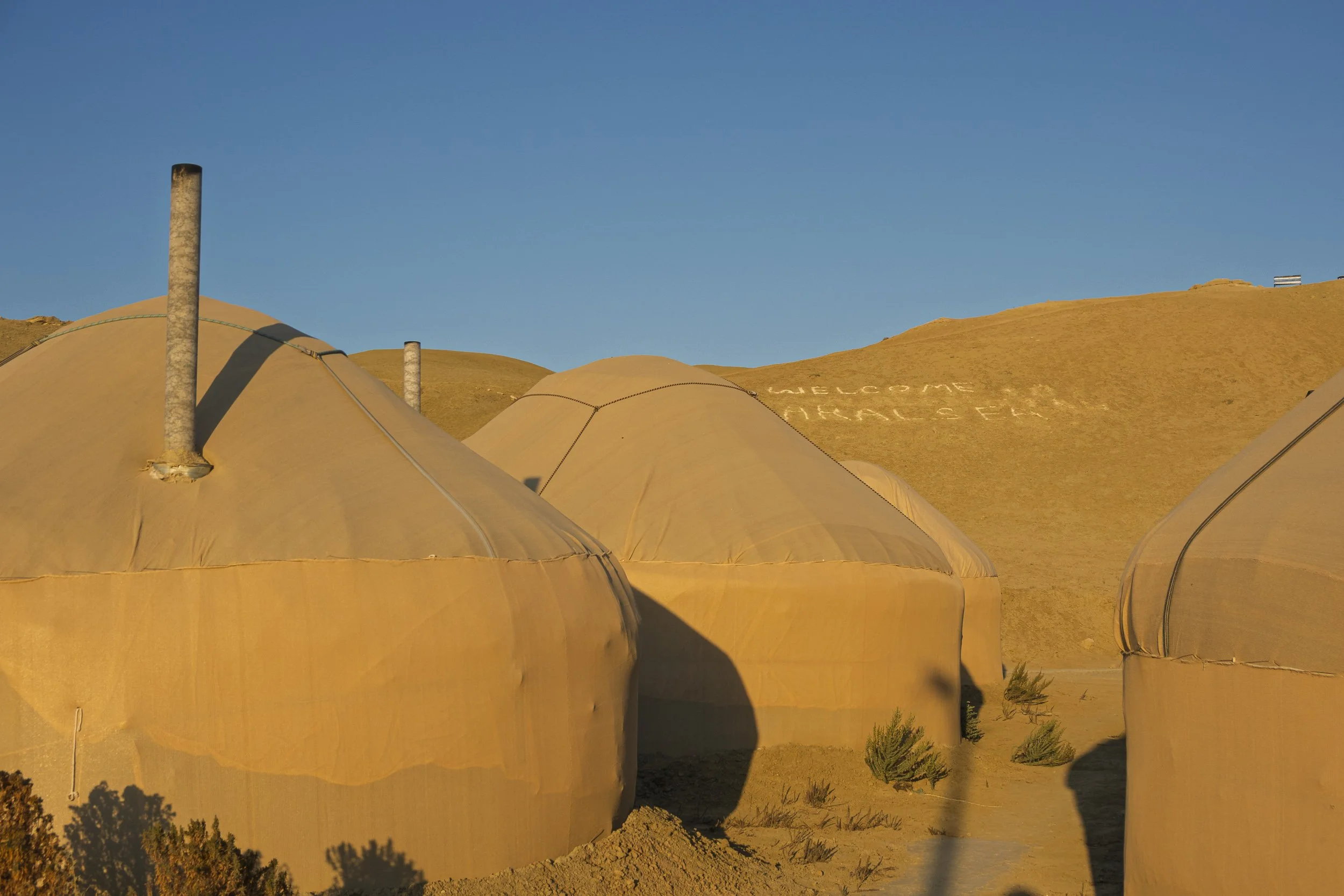
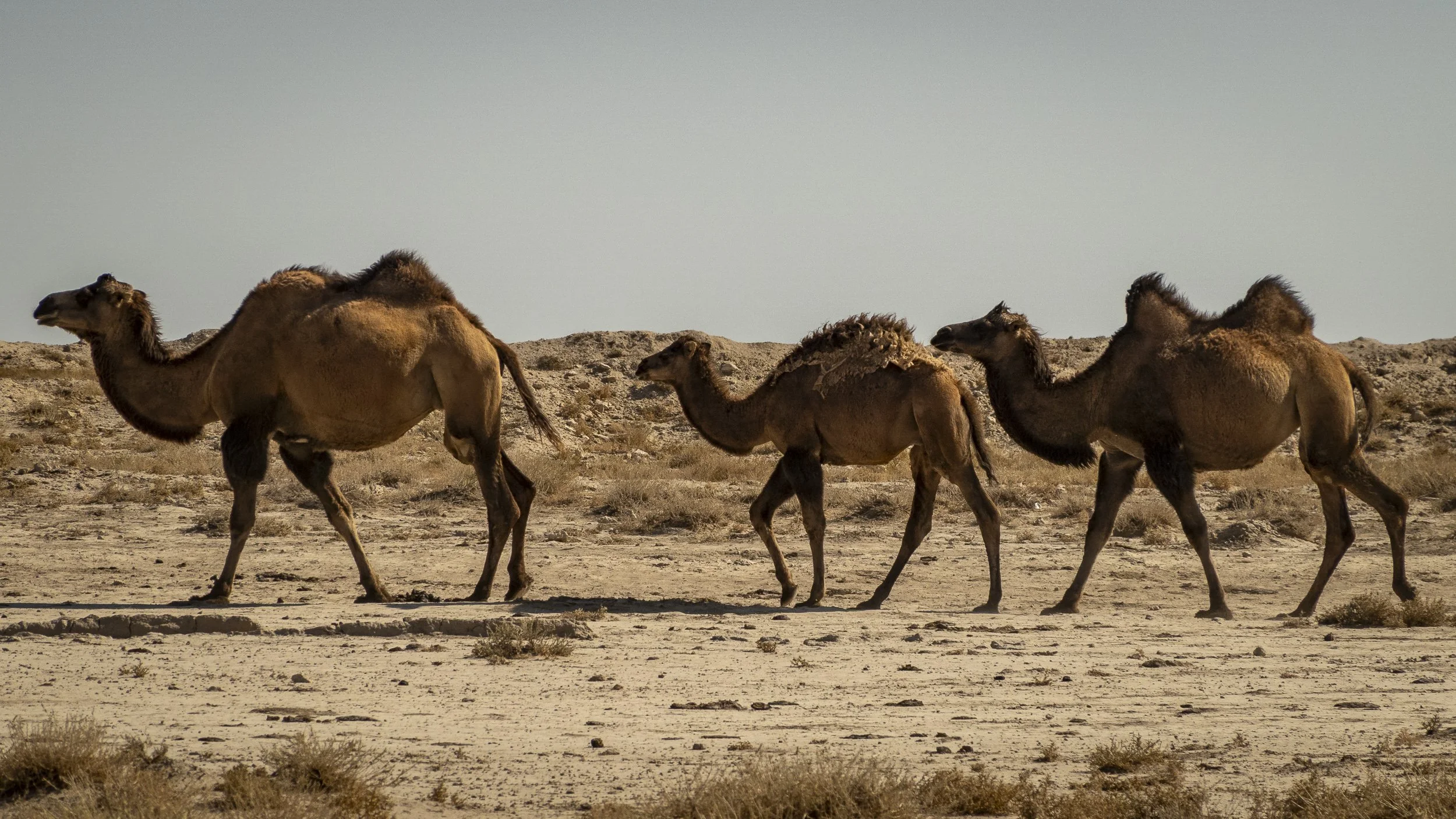
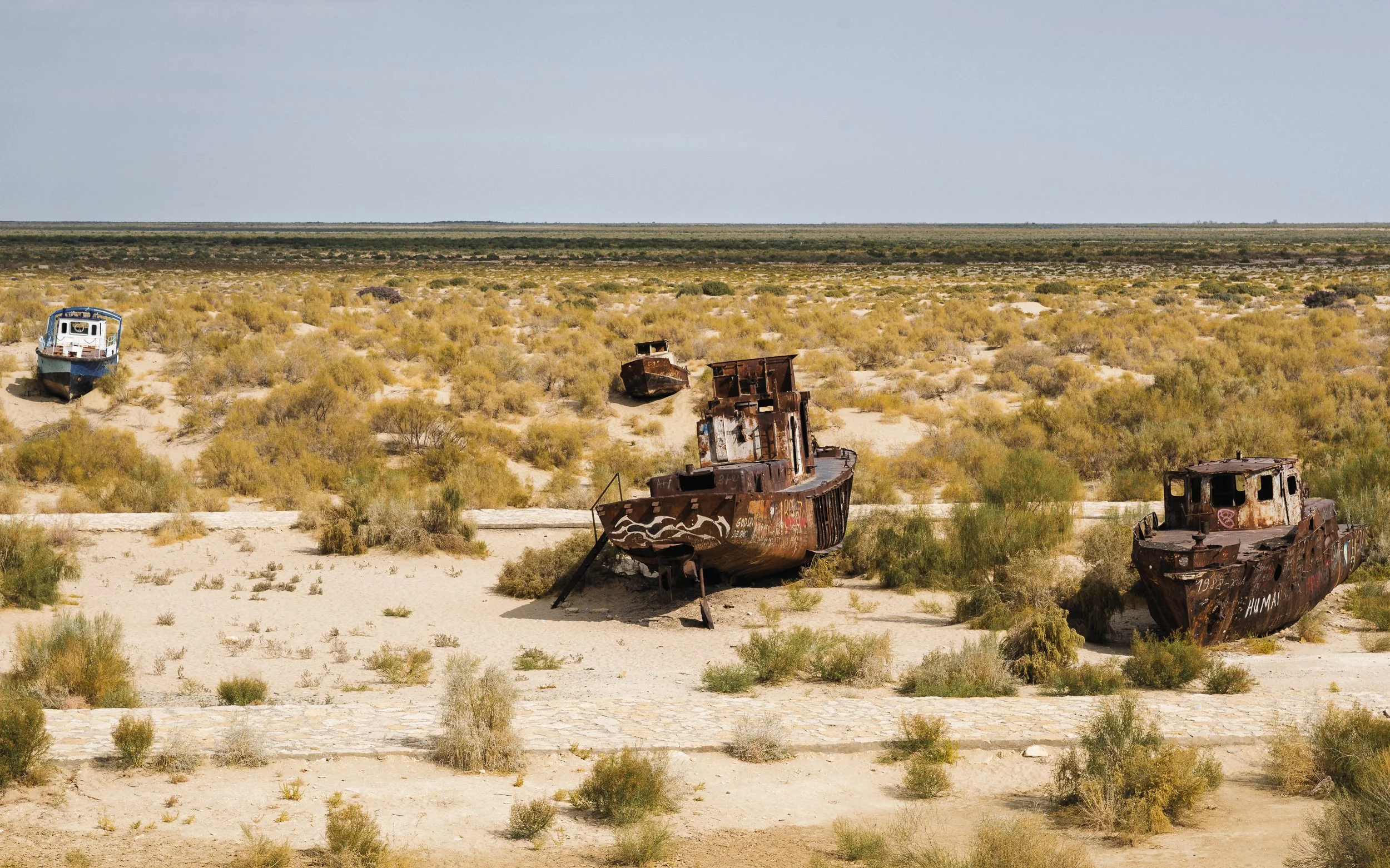
But people still live and work here. Families raise livestock, settlements survive in unlikely places, and the remains of fishing boats stand far from the water they once sailed.
The Aral Sea
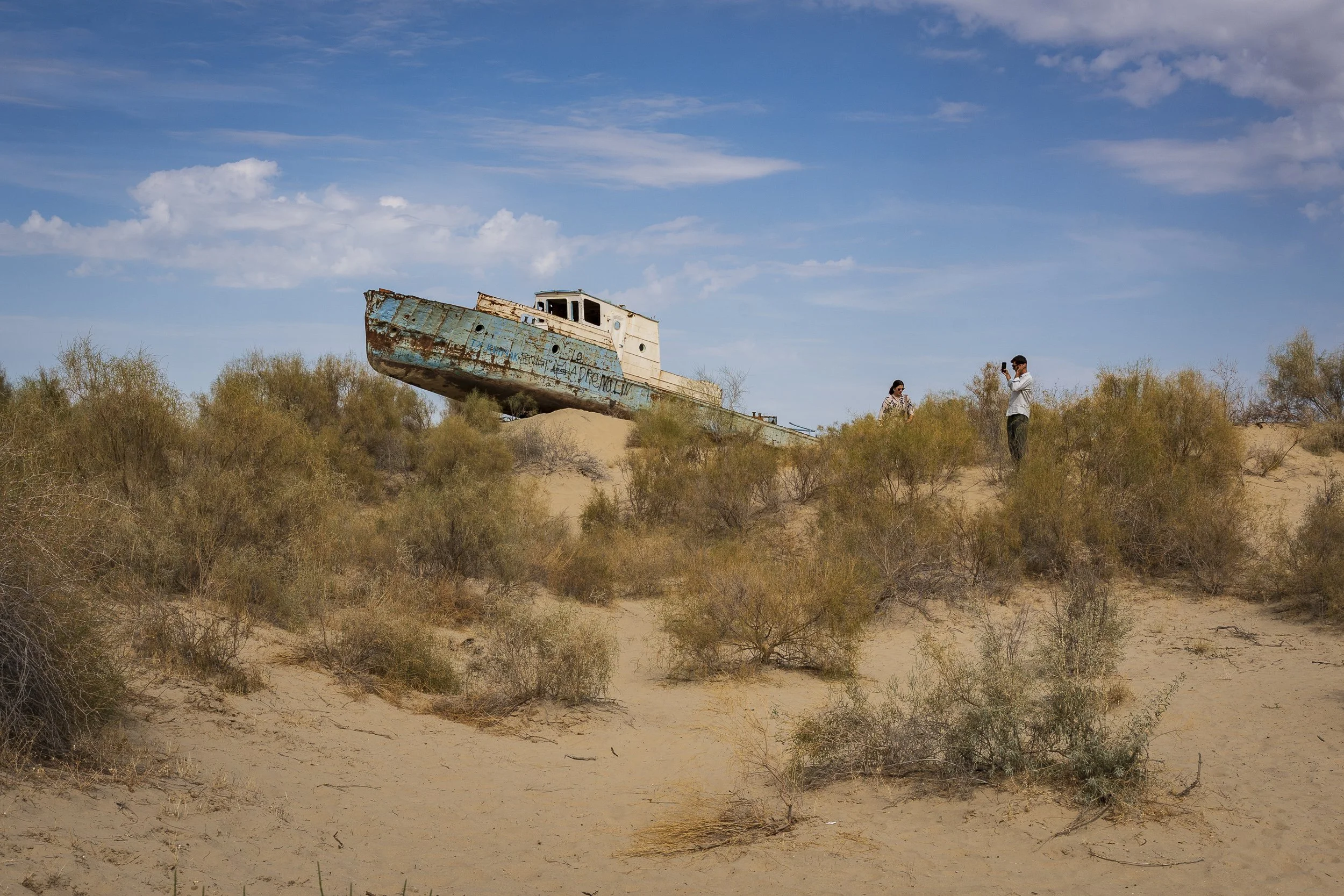
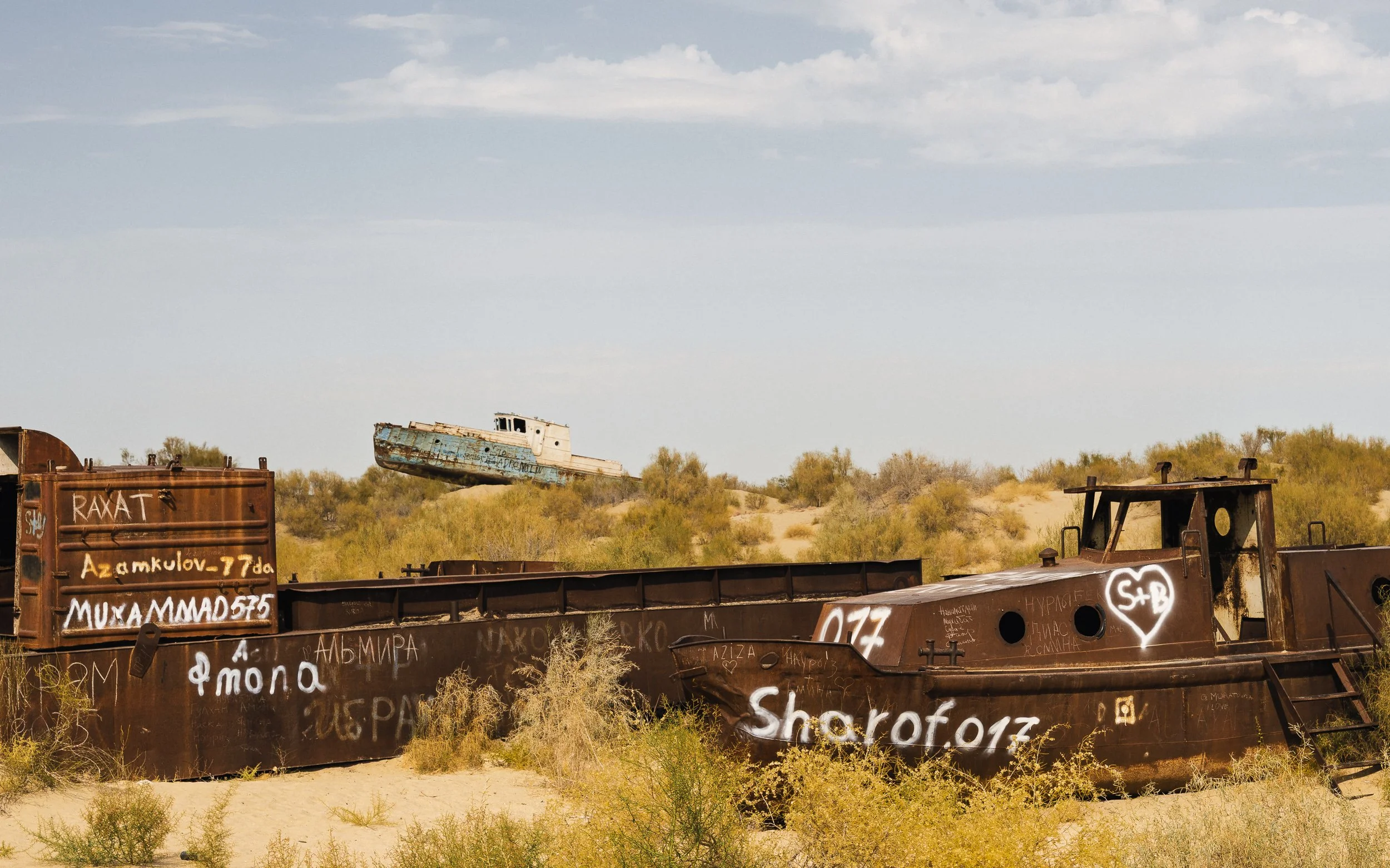
MOYNAK: Once a thriving port where boats are stranded 150km from the current shoreline
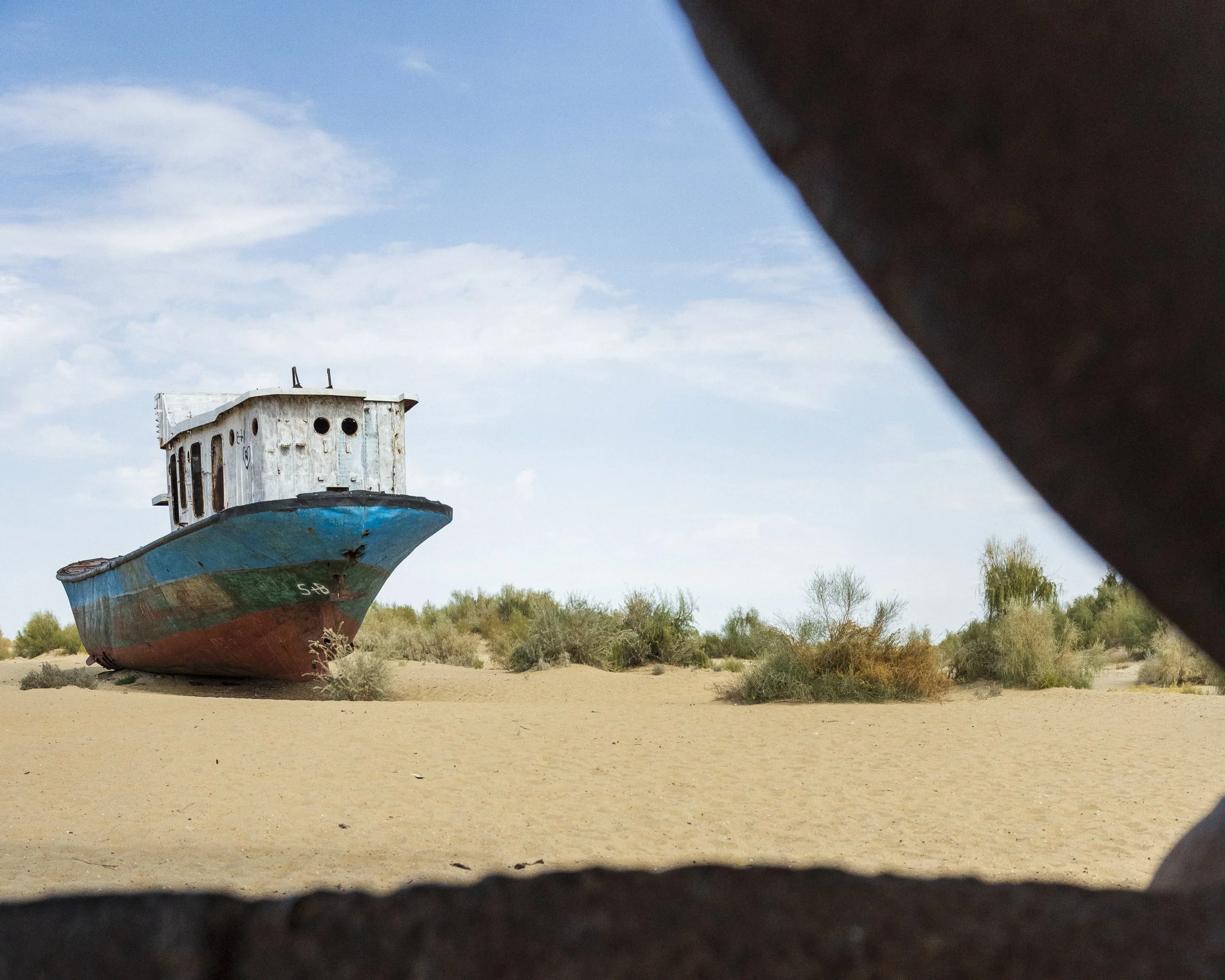
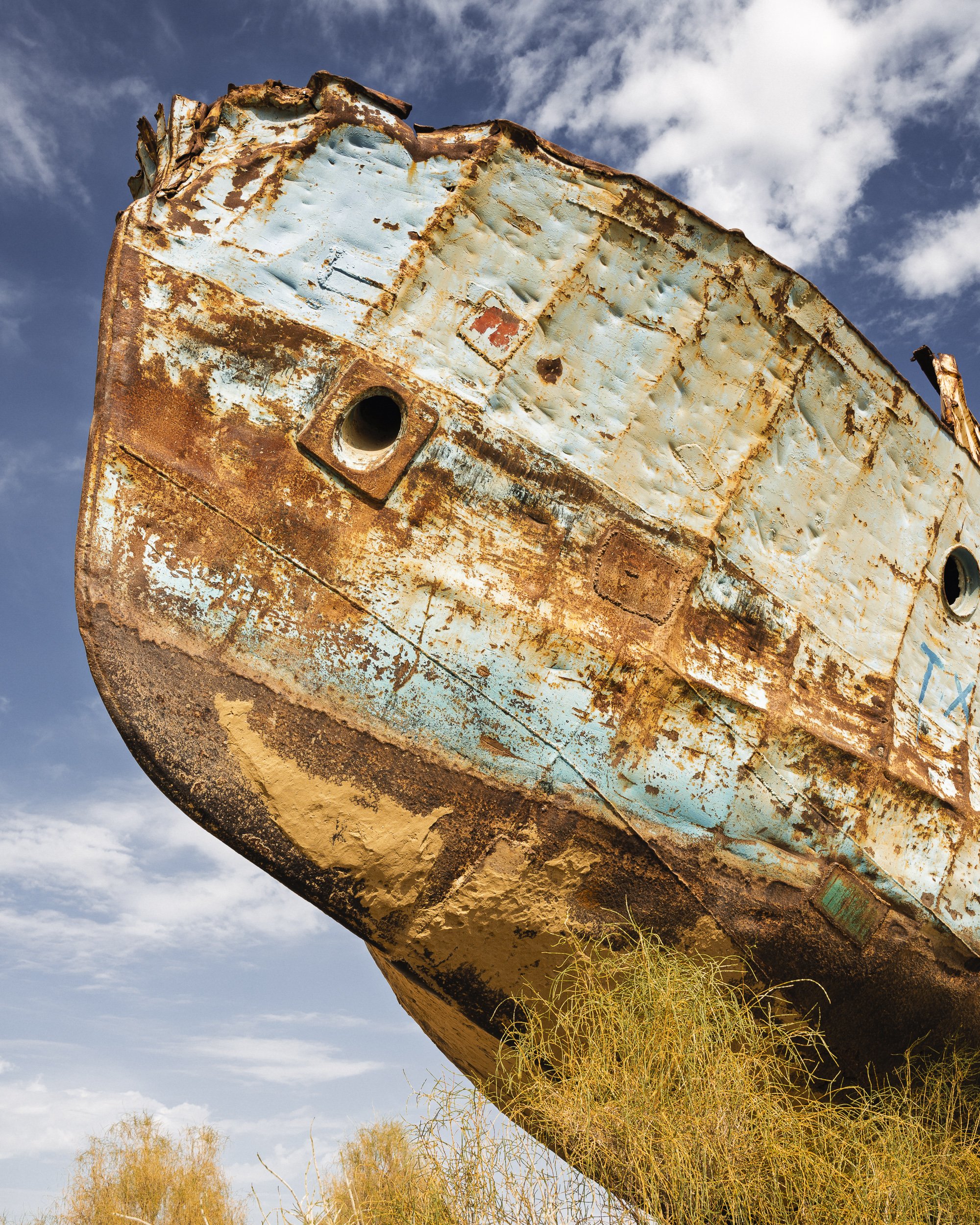
MOYNAK: Abandoned fishing boat
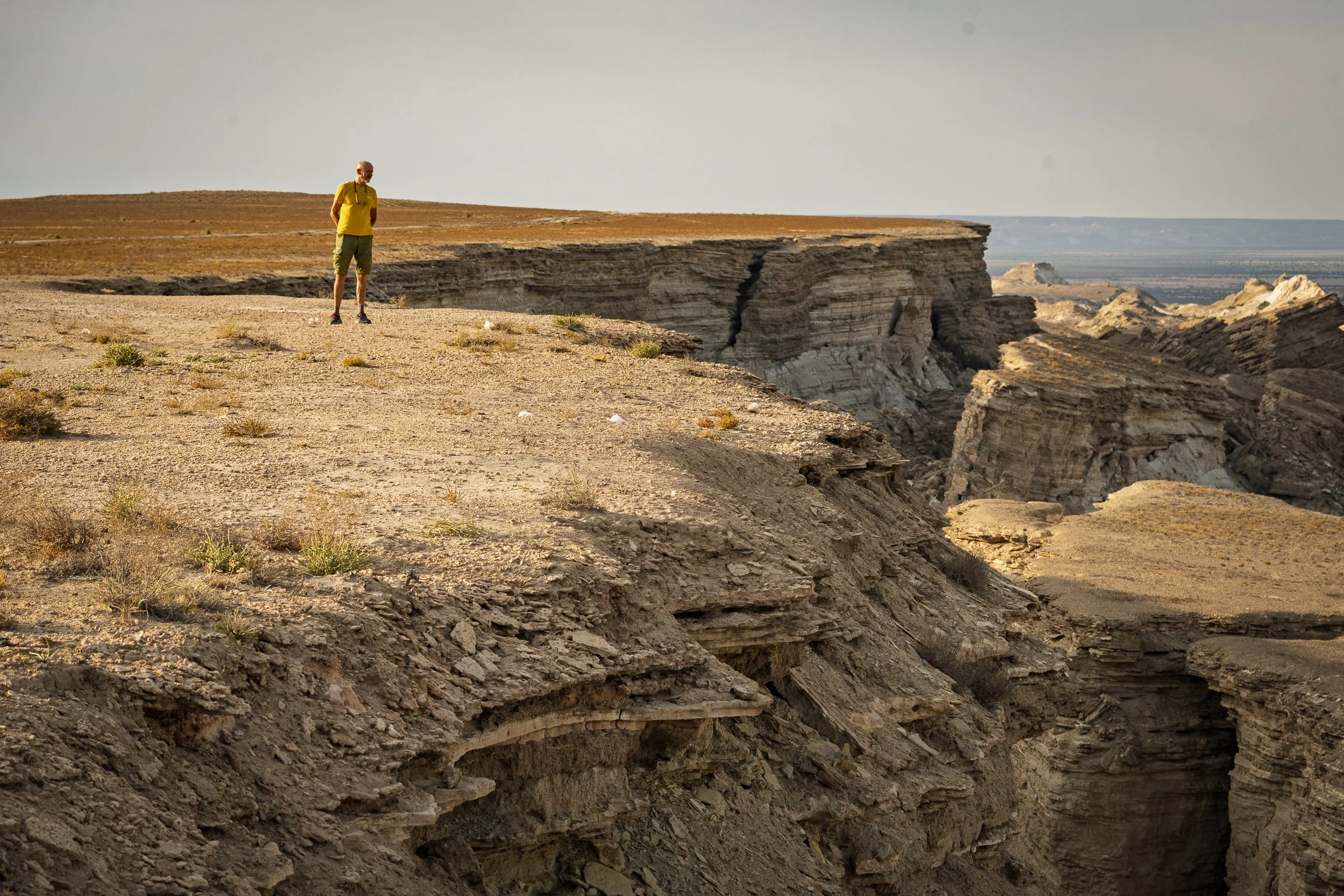
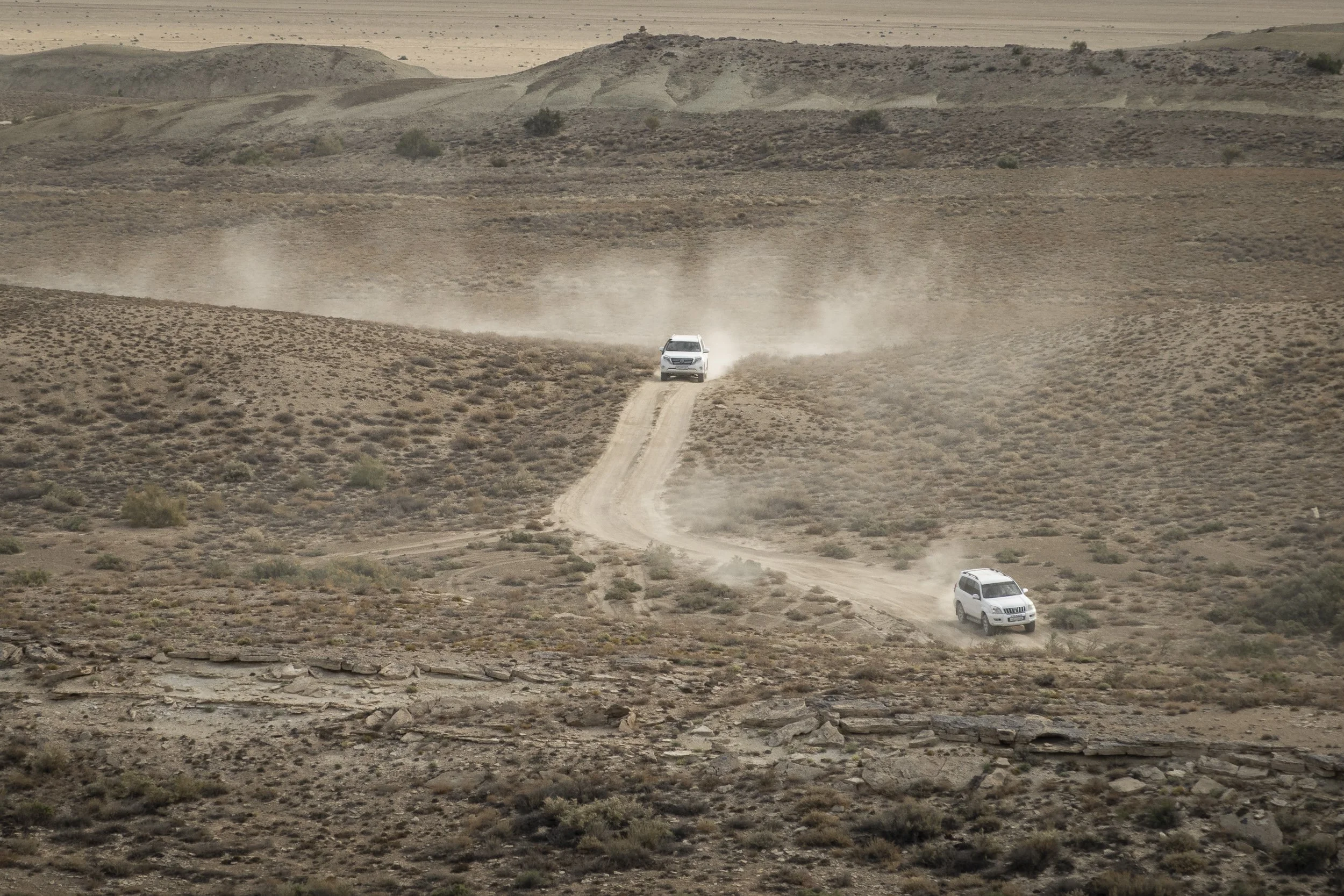
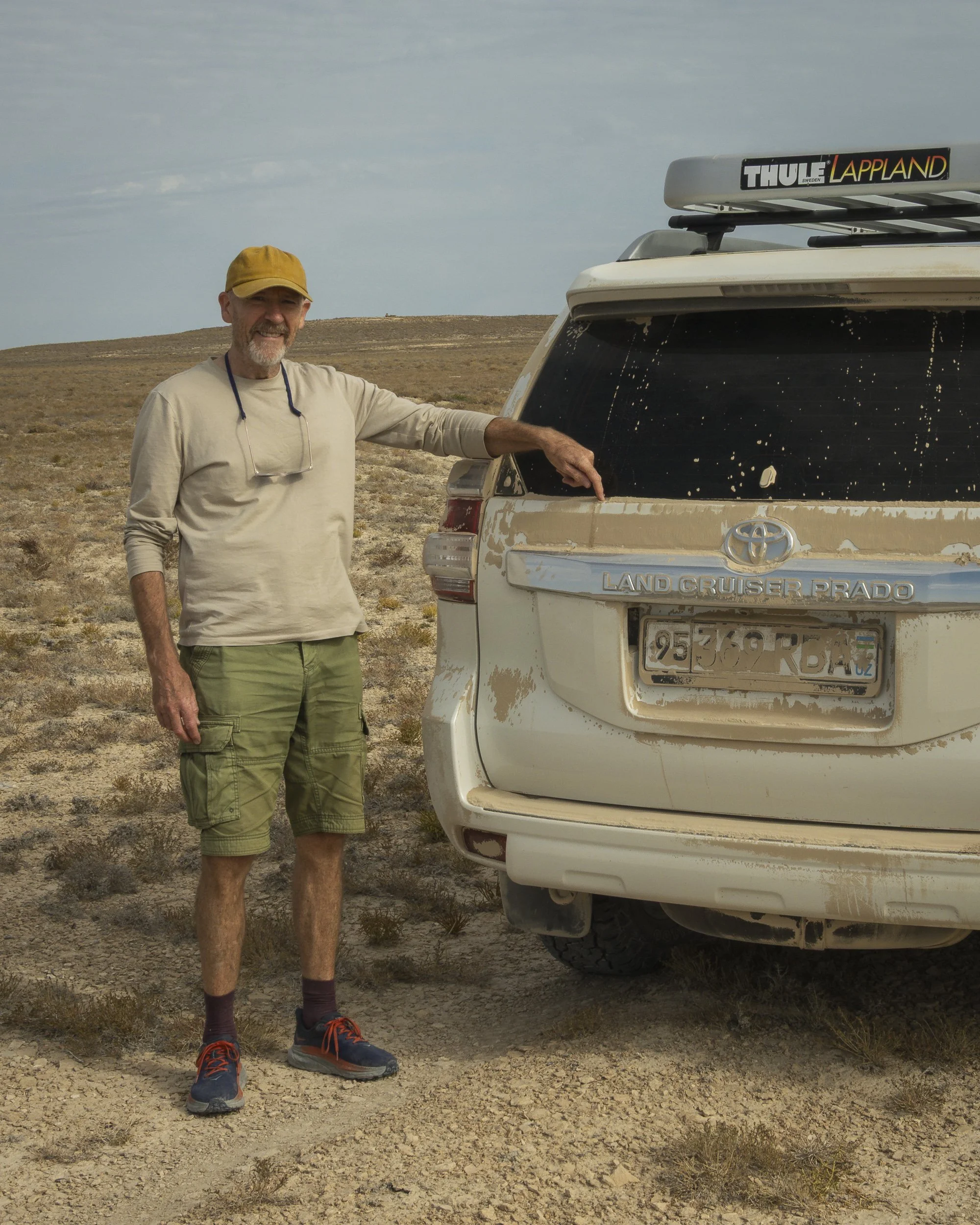
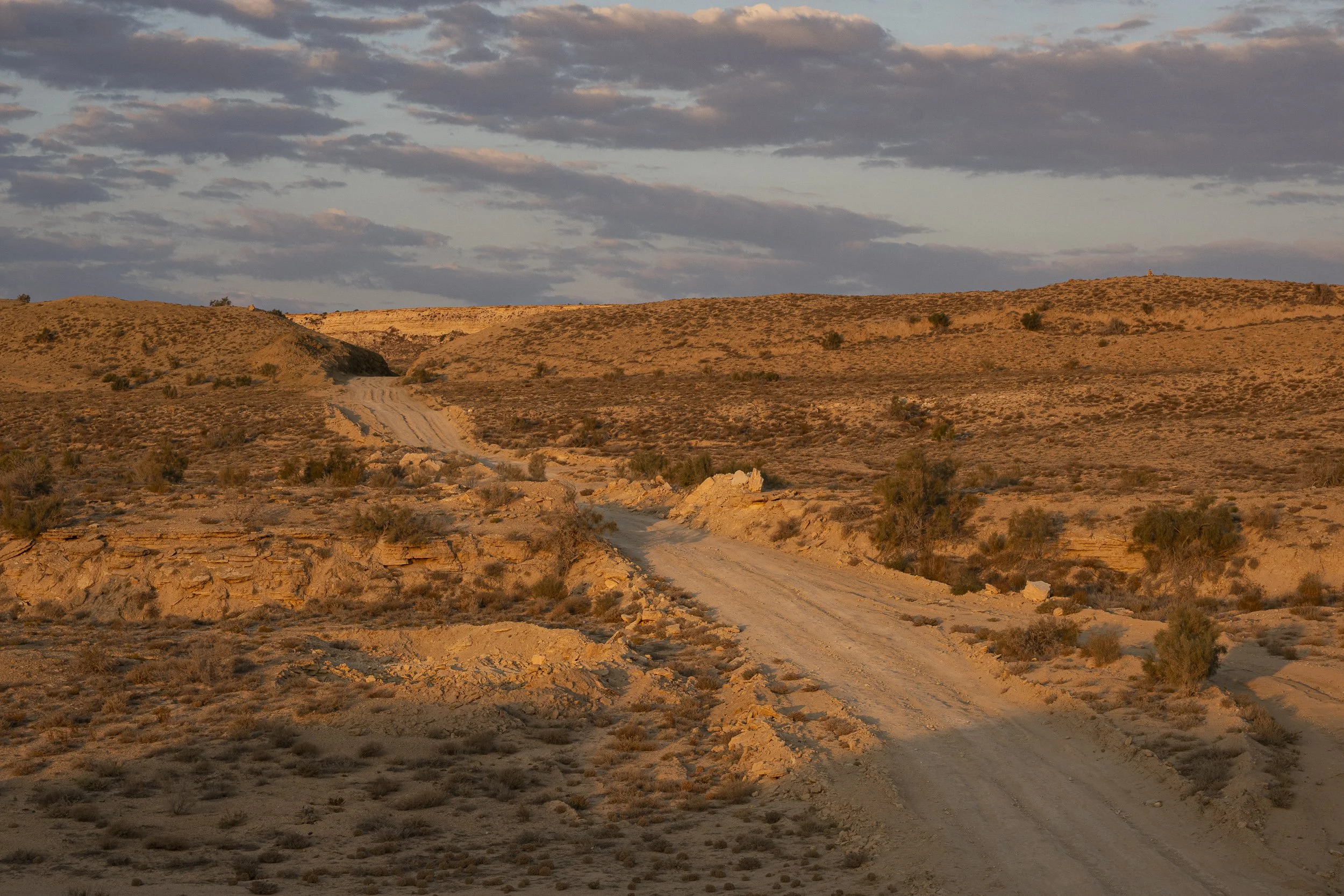
Driving on the Aral Seabed
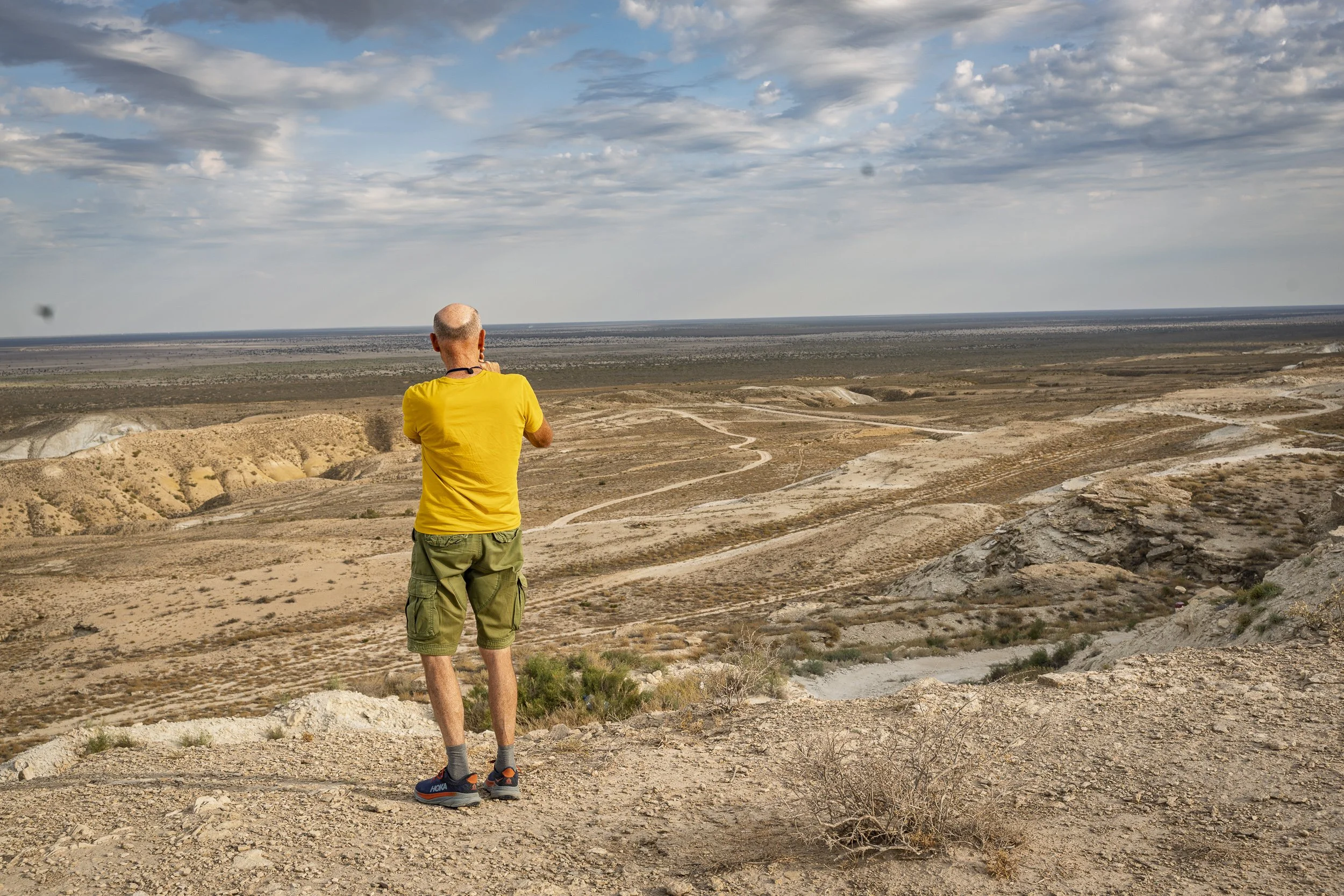
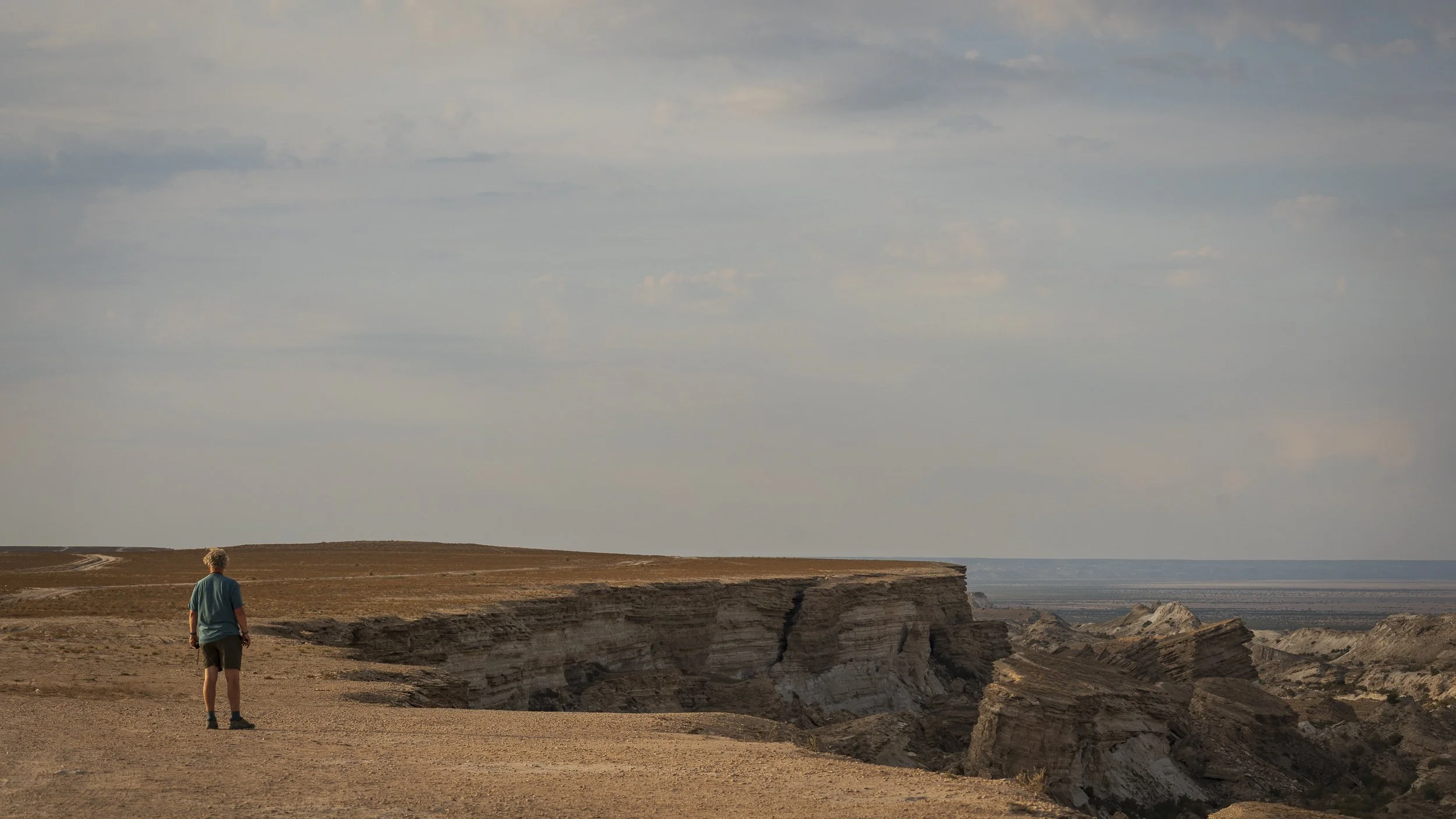
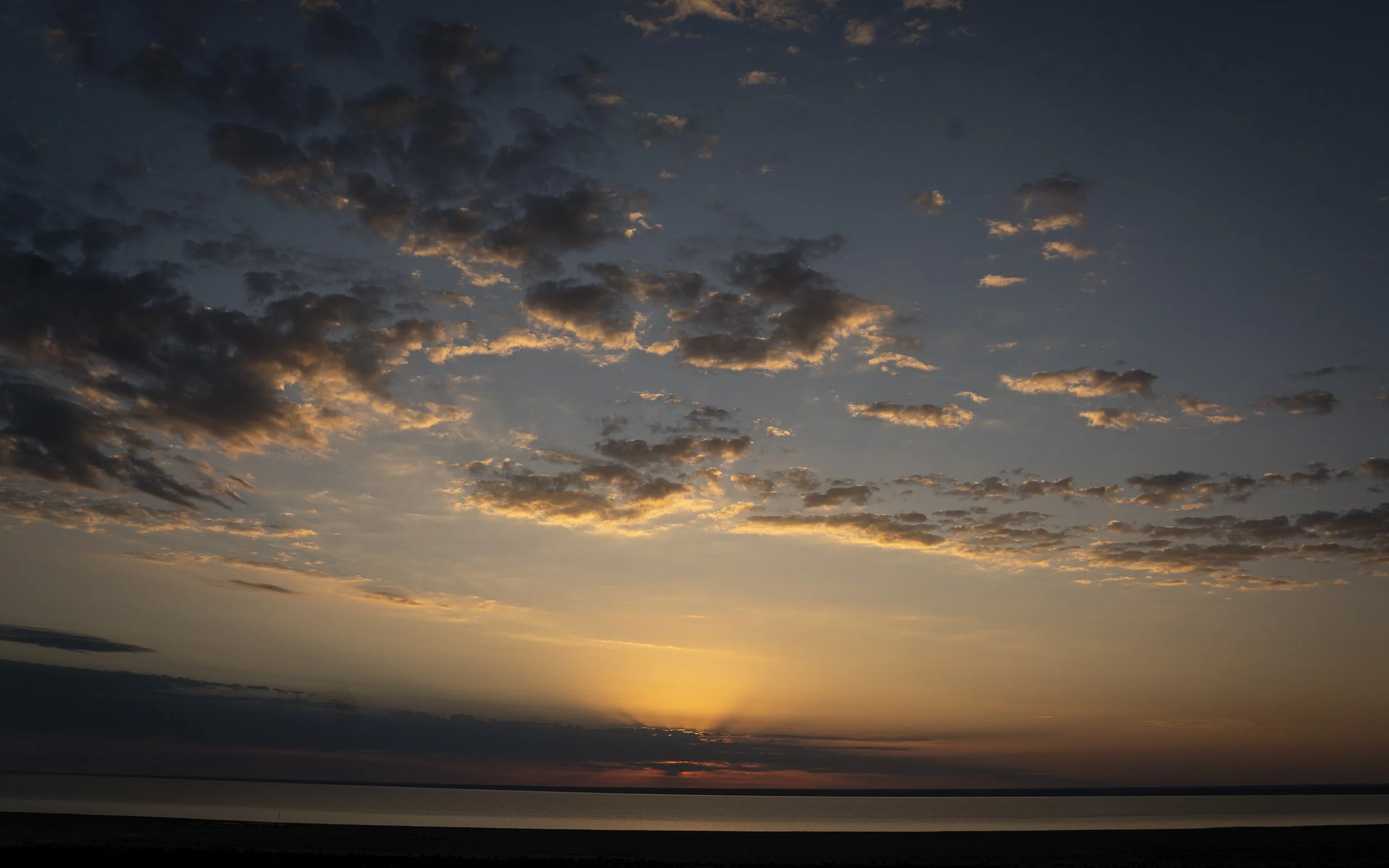
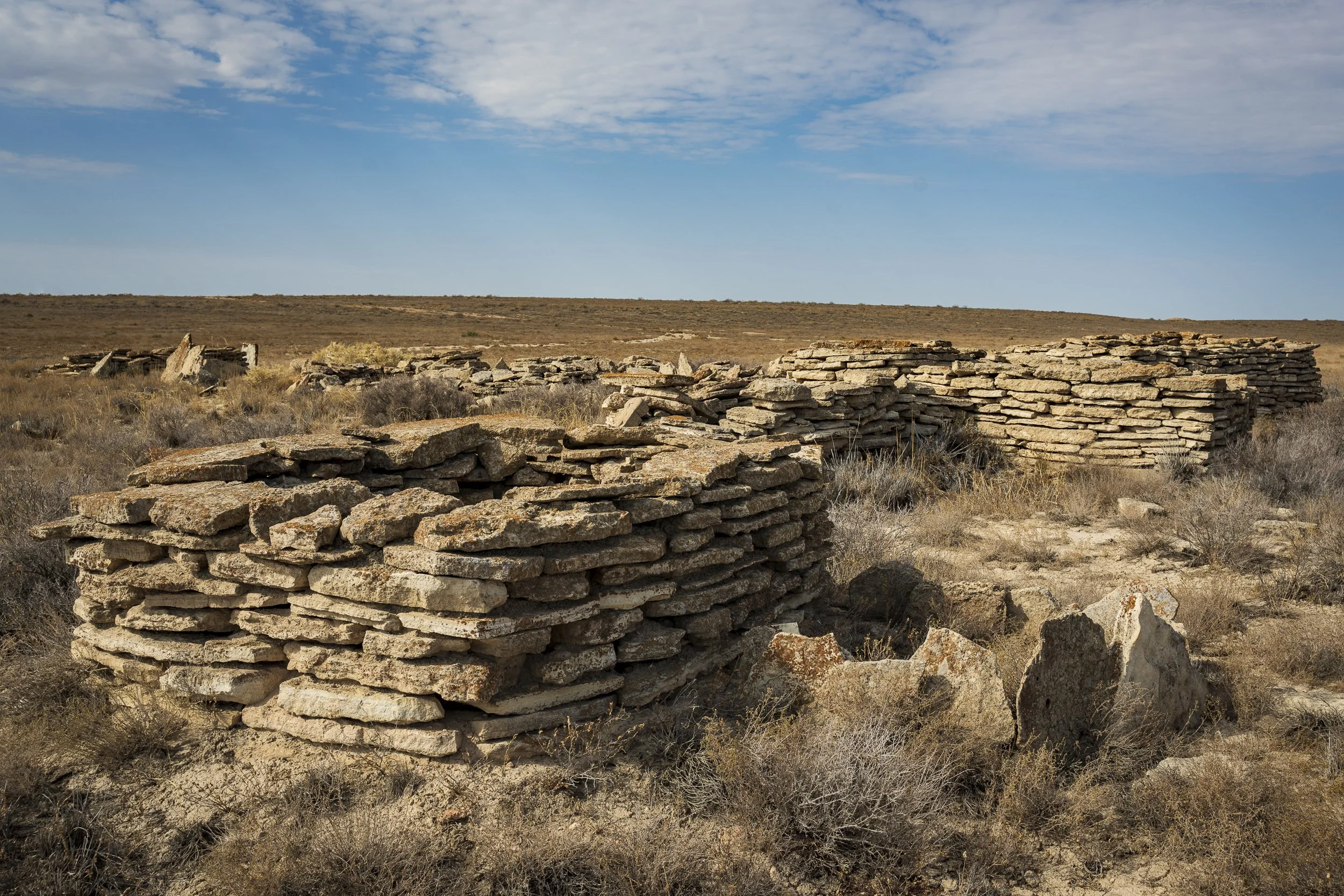
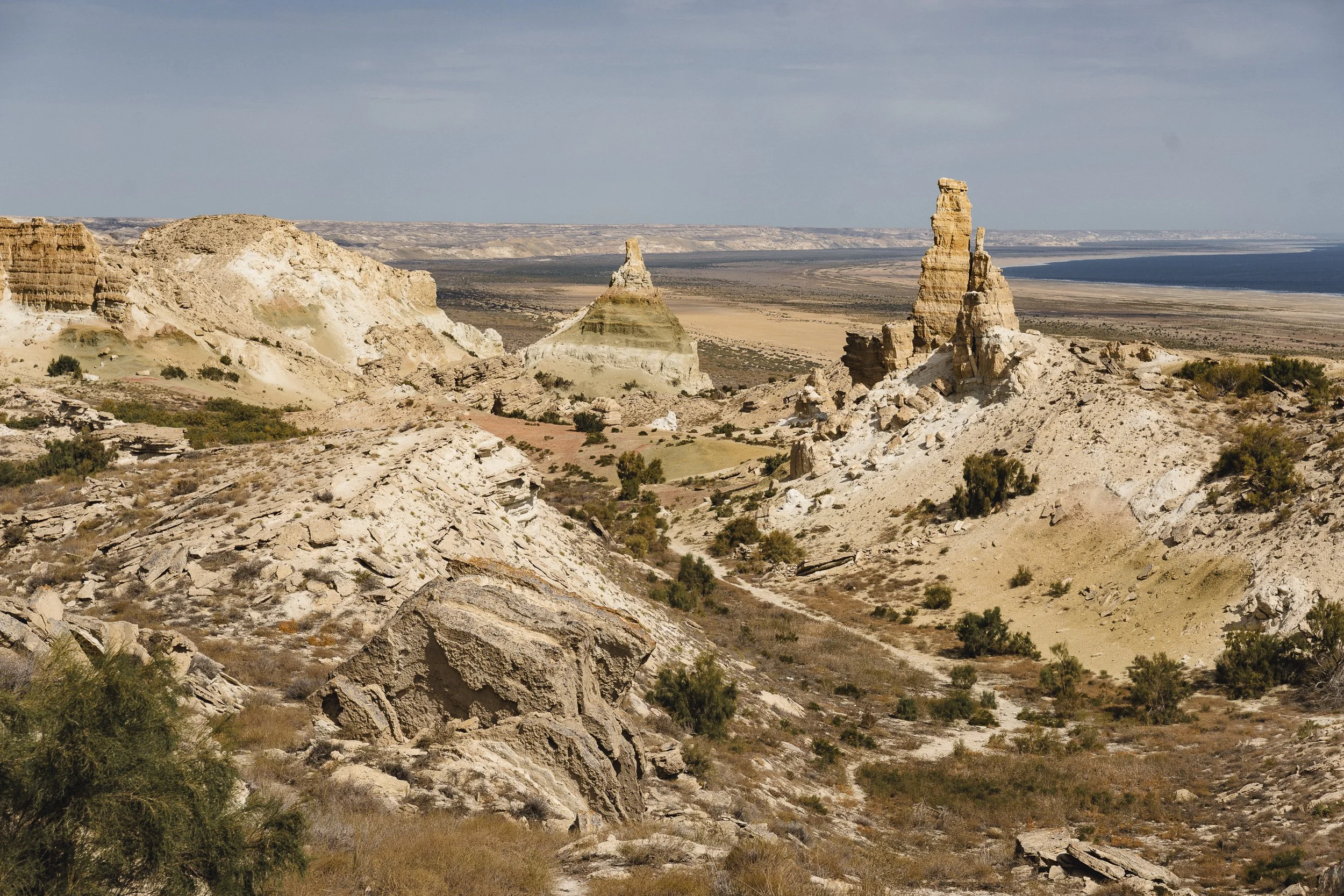
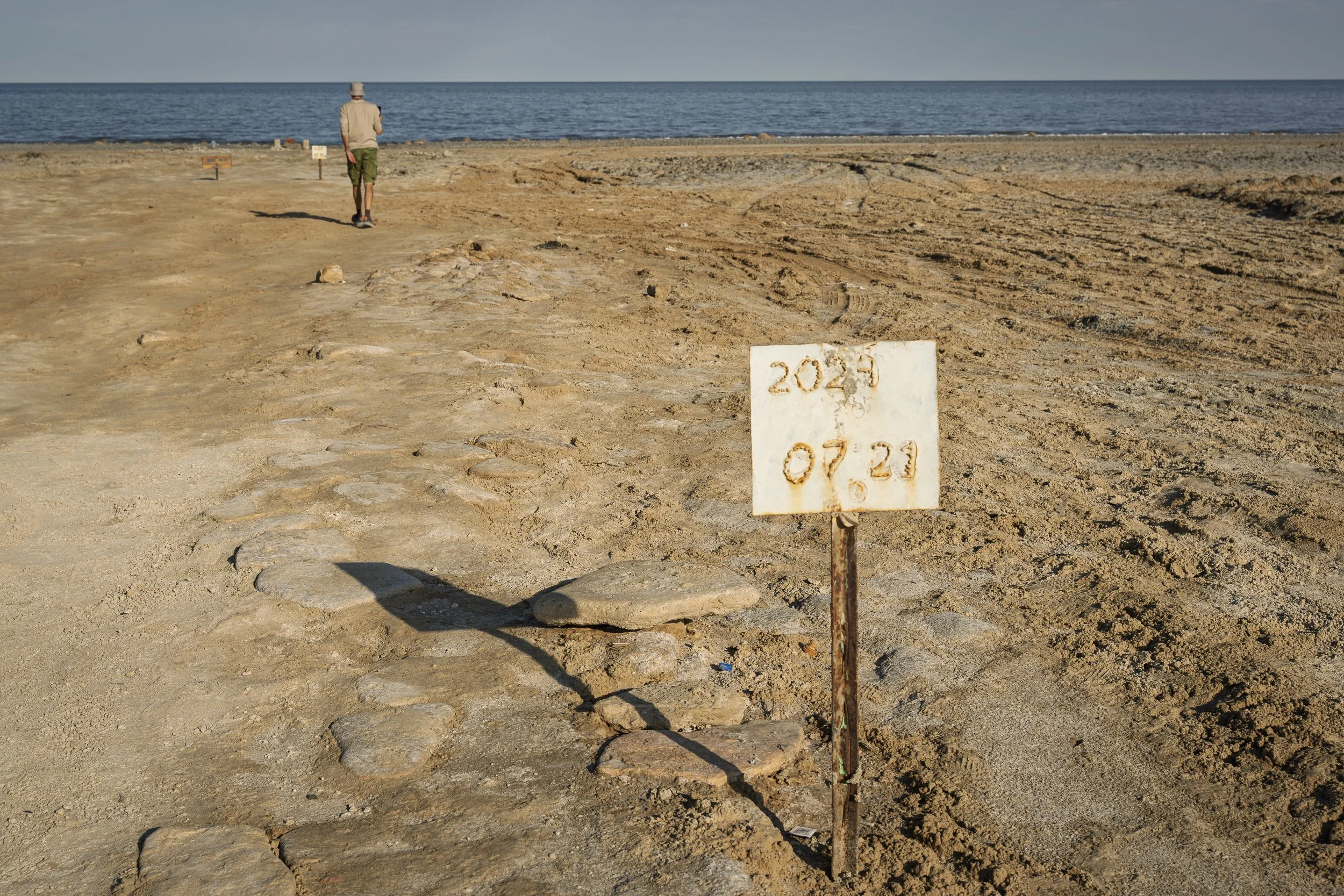
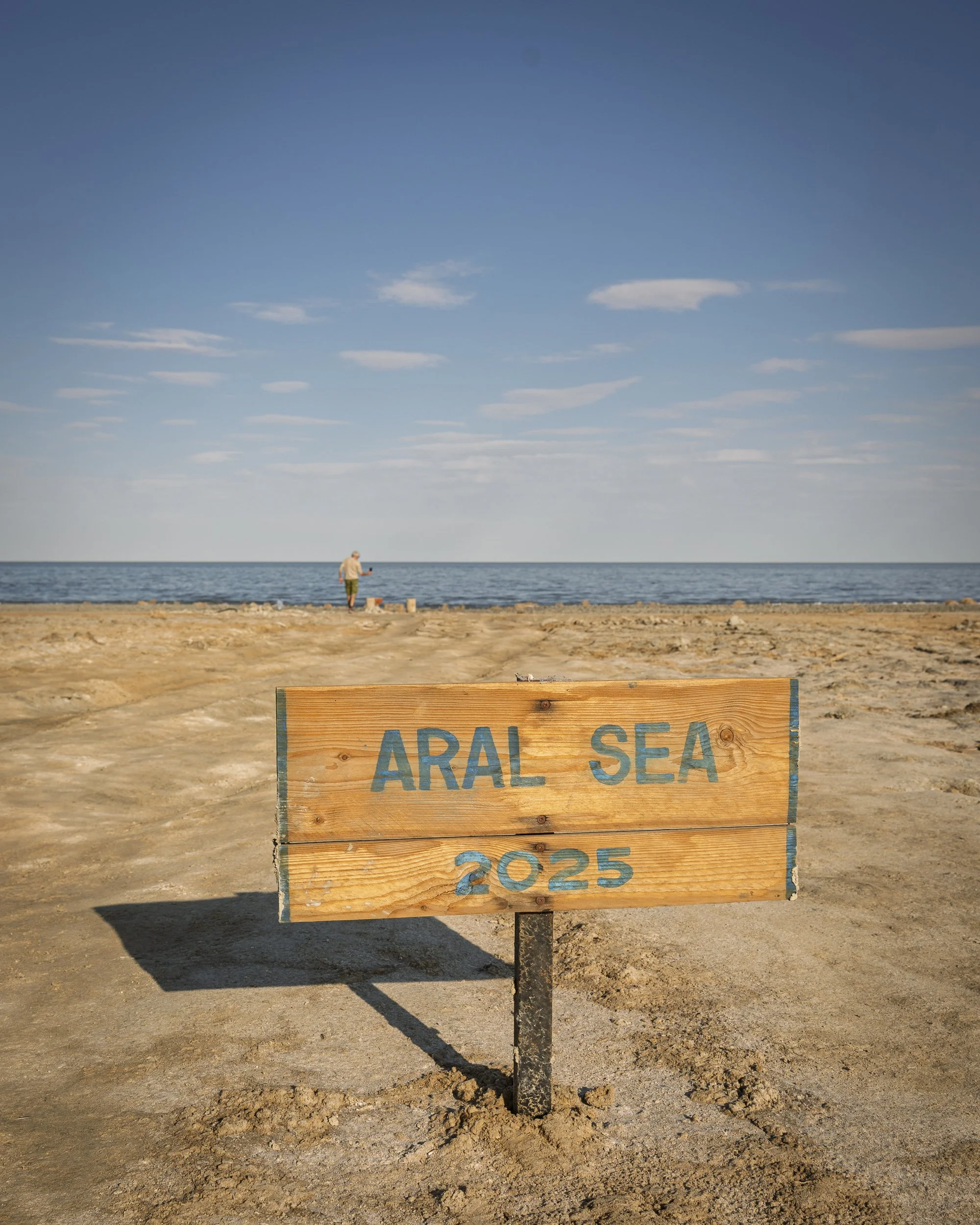
Markers show how far the sea recedes annually
Another few hundred metres lost since 2025
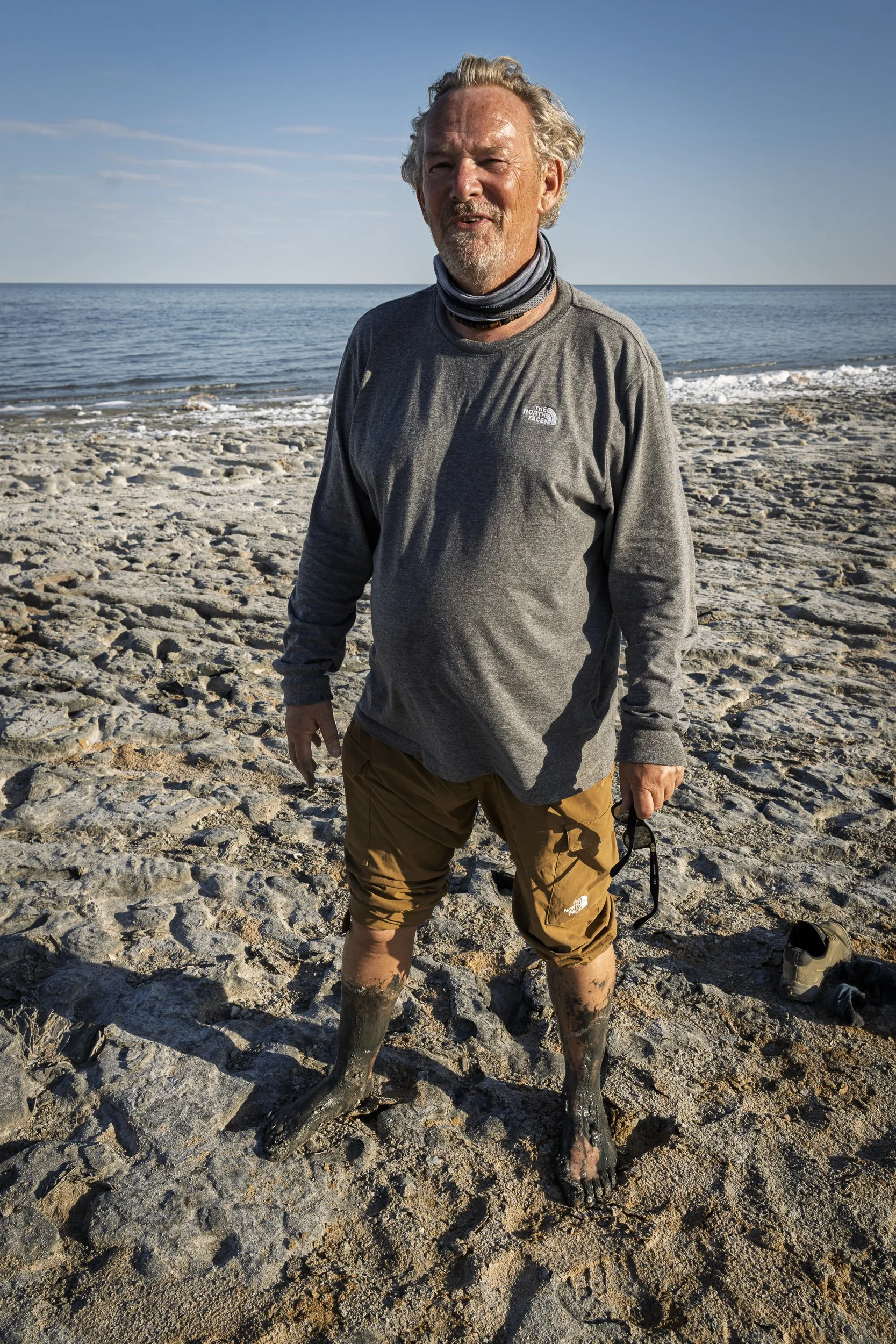
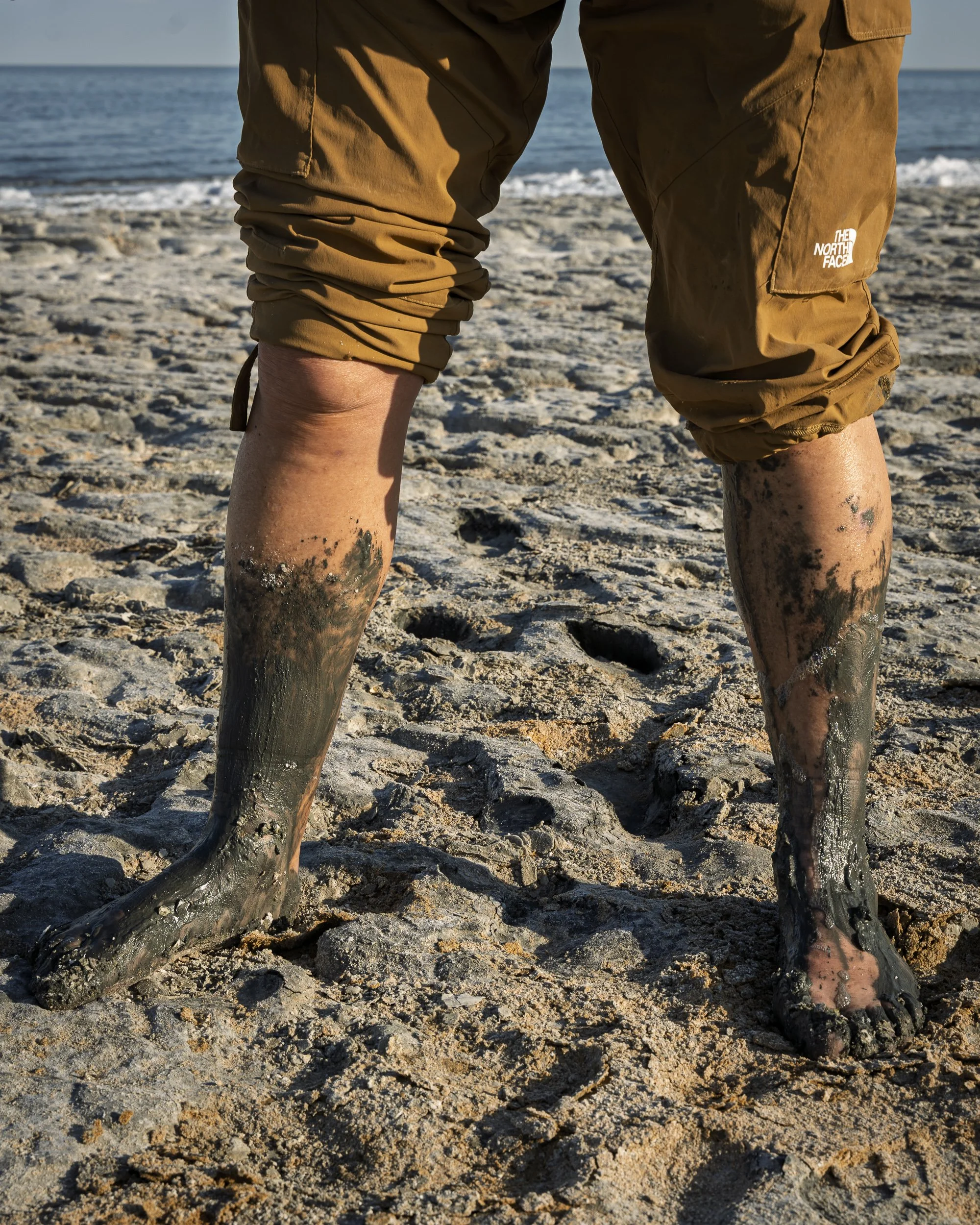
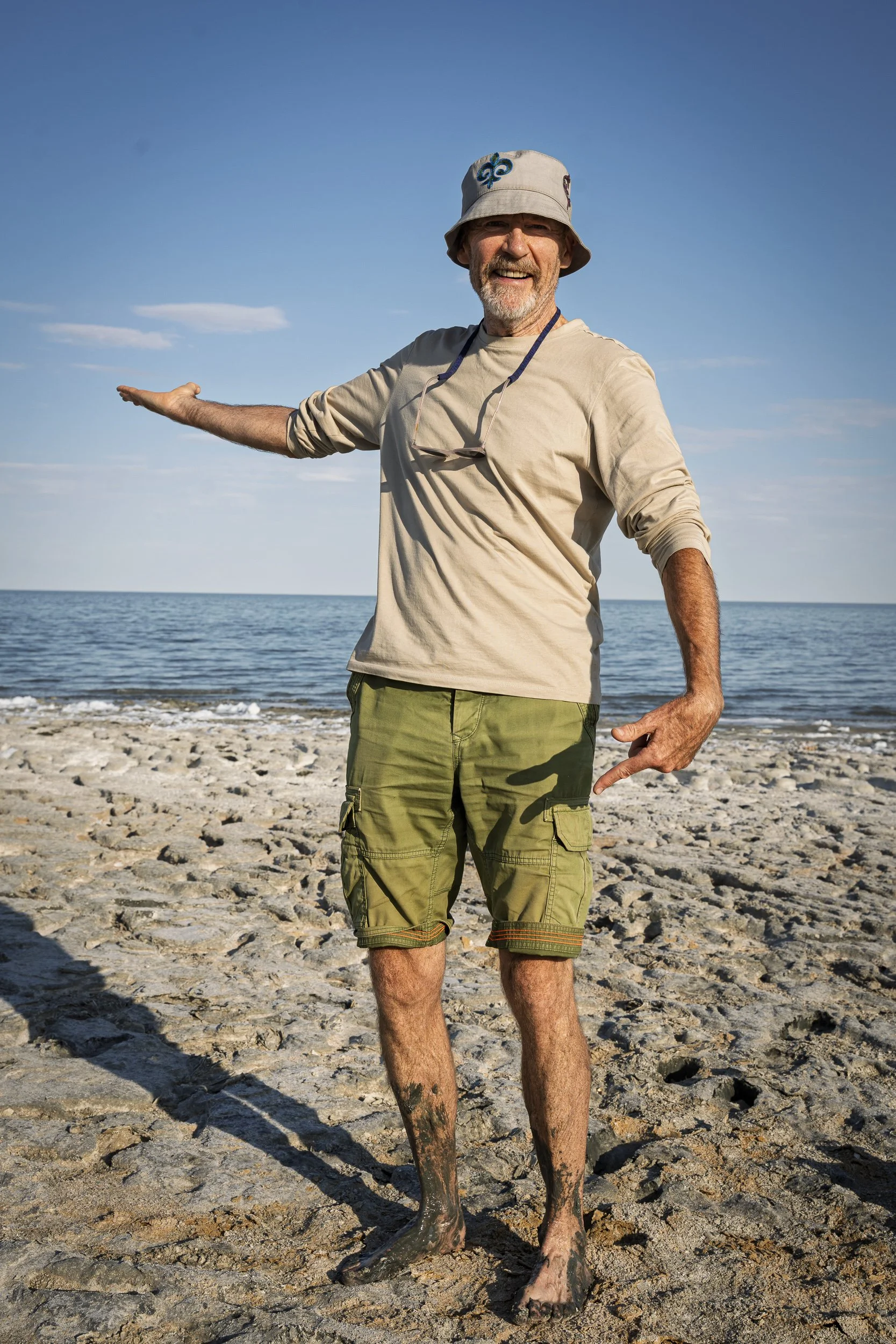
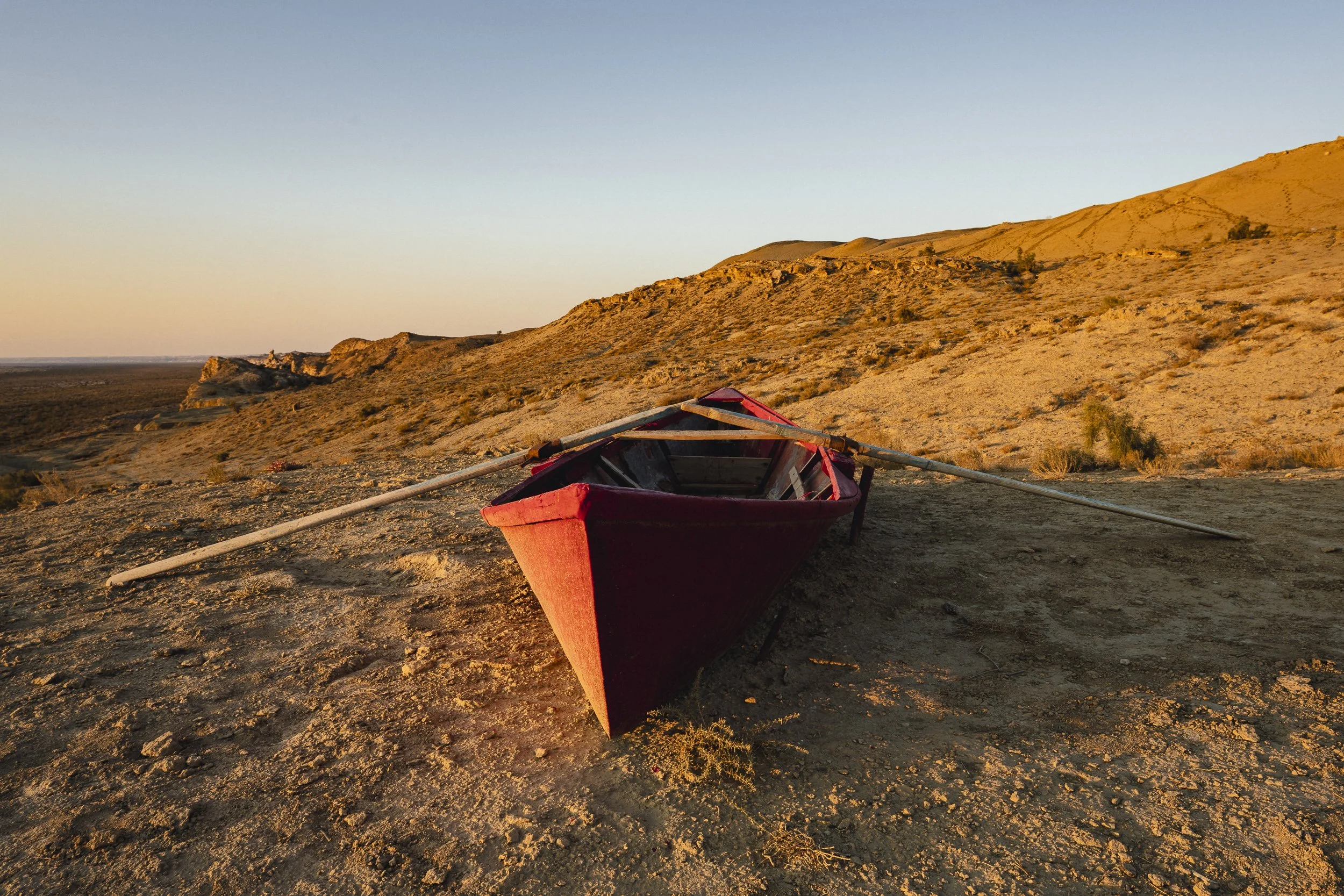
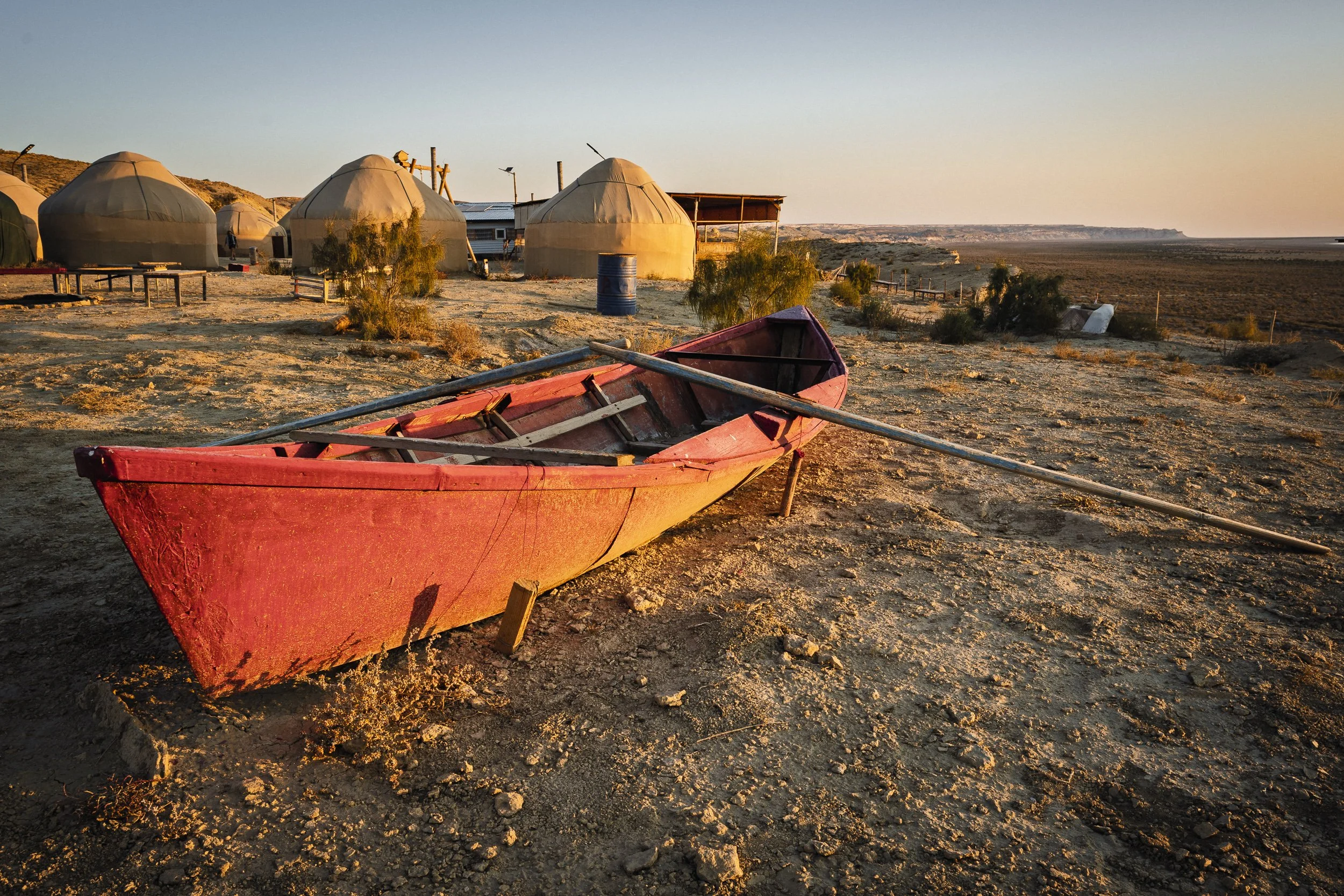
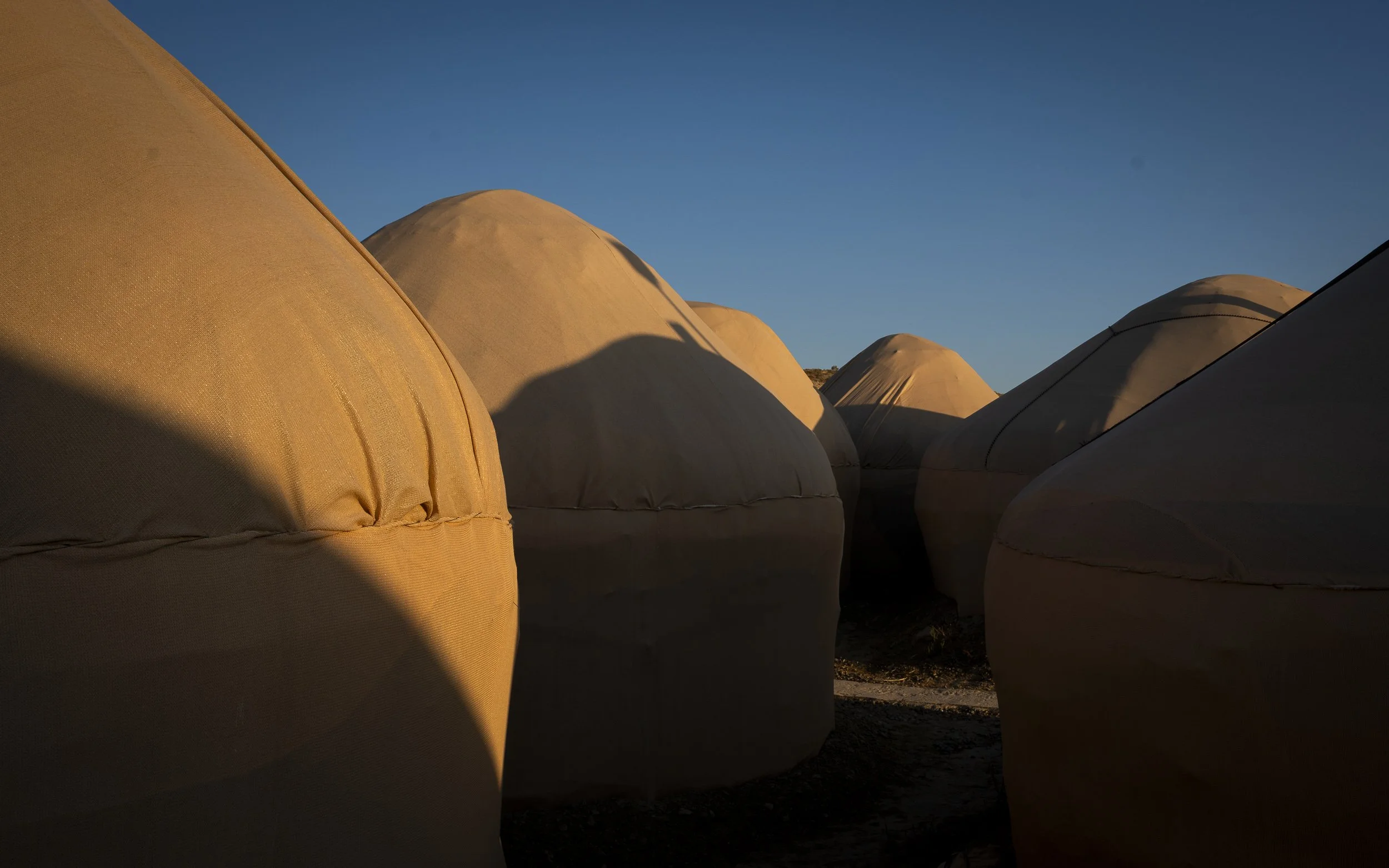
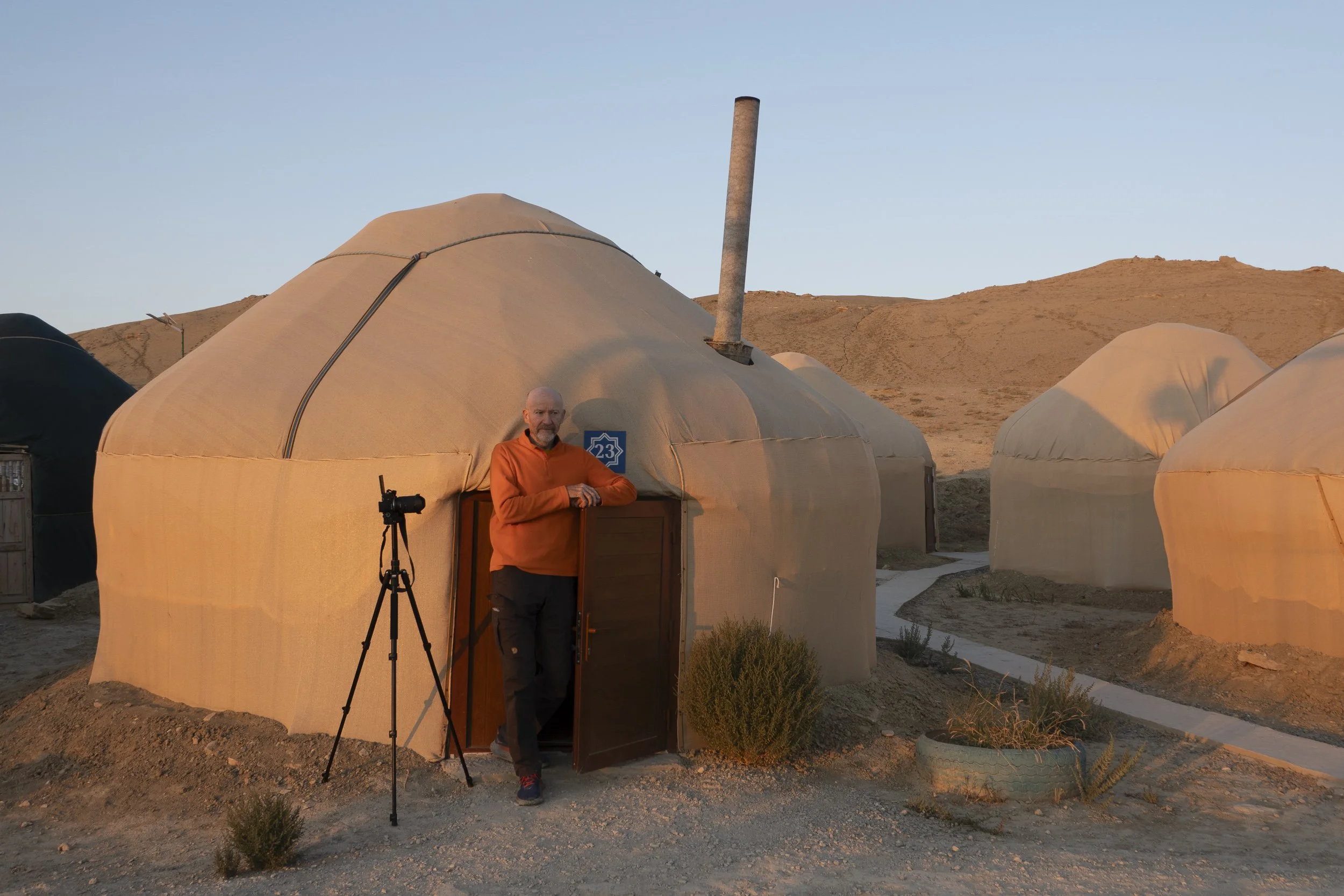
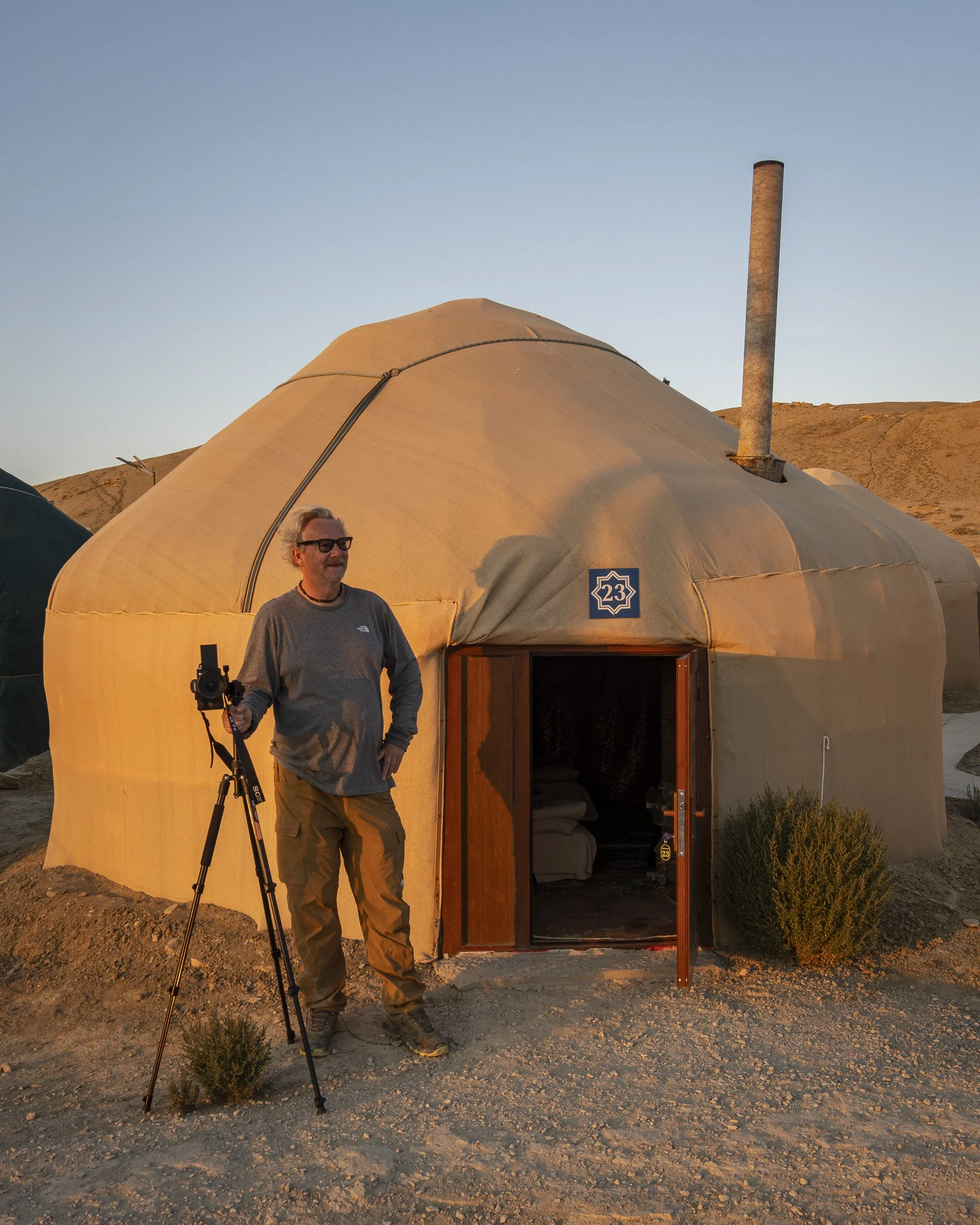
Beqsala Yurt Camp with a redundant rowing boat