

From Washington to the District
One city, three names. How six years living in the US capital changed my relationship with the City and reminded me that being there matters.
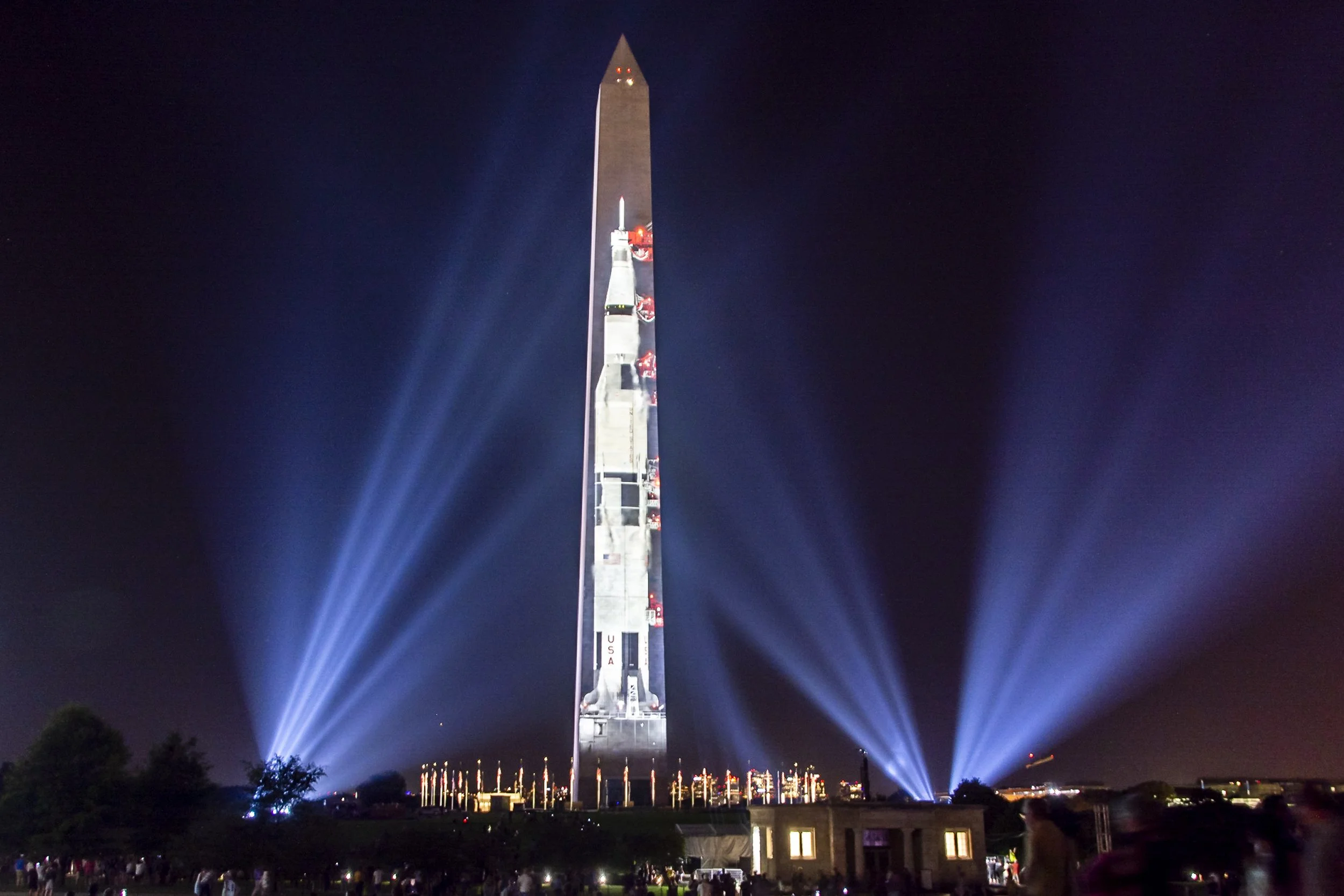
A Saturn V rocket projected onto the Washington Monument to mark the 50th anniversary of the Apollo moon landings - July 2019
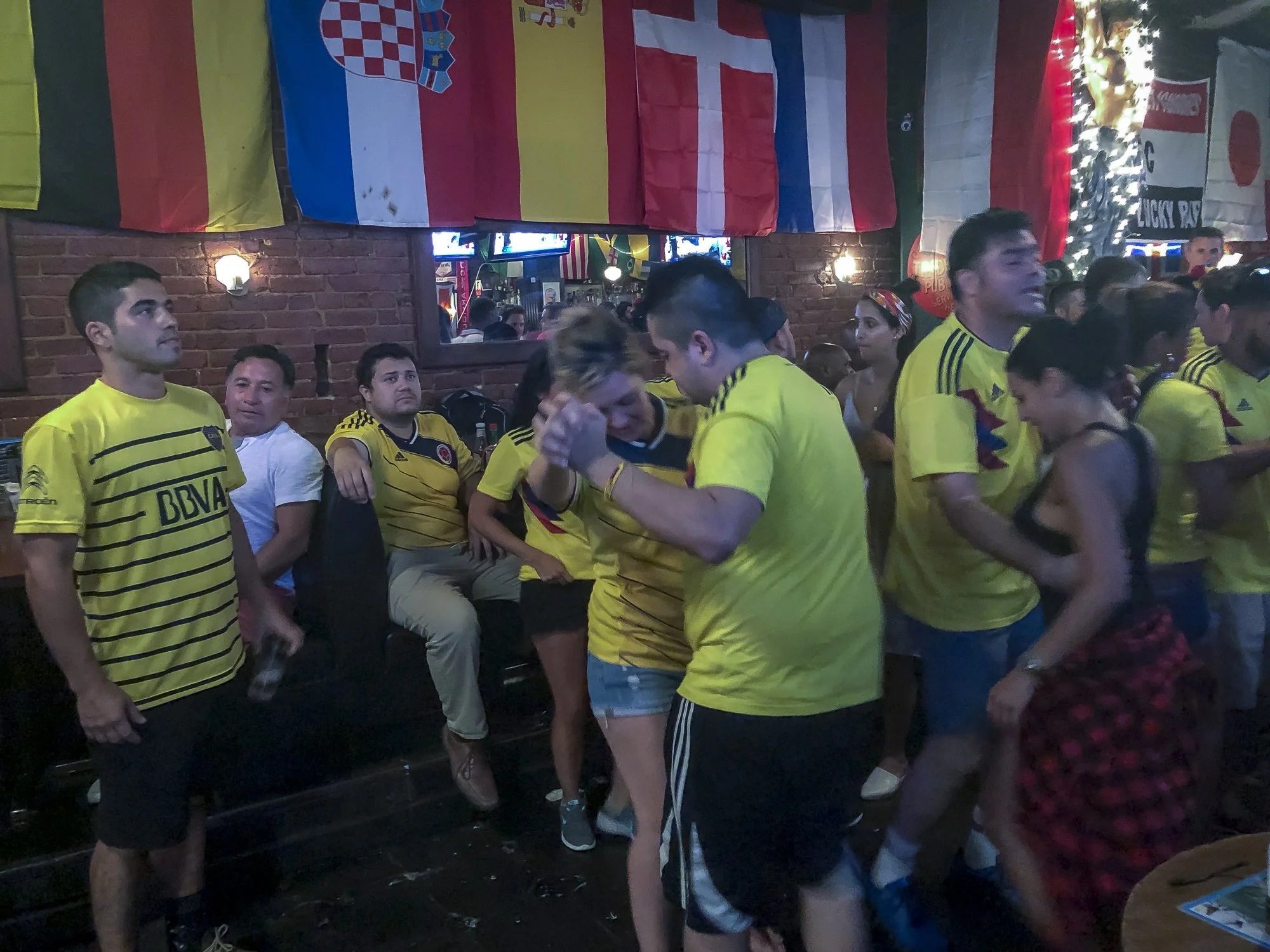
On 3 July 2018, England finally won a World Cup penalty shoot-out, and I watched them do it in the Lucky Bar on Connecticut Avenue surrounded by Colombia supporters.
By then I had been living in Washington for three years. Much of that time had been spent among the Red Devils DC, the Manchester United supporters' club that had made the Lucky Bar its home. On football nights (usually mid-afternoons and Sunday mornings), its jukebox played Afrobeats, Nigerian highlife to Angélique Kidjo as diplomats, students, football supporters and half the African diaspora in the city seemed to gather beneath its low ceiling.
When Eric Dier scored the winning penalty, I found myself unexpectedly celebrating with everyone else.
Then something even more interesting happened.
The England supporters remained rooted to the television screens, scarcely believing what they had witnessed - not losing a shootout. Around them, the Colombian supporters simply put the salsa music back on and started dancing.
It struck me afterwards that the afternoon had become about much more than football.
By then, the city had already changed its name.
I had arrived in Washington, the city of monuments and museums.
It became DC, where I built a professional life.
Eventually, almost without noticing, it became the District, the place I lived.
Washington DC
The city visitors come to see
Unlike most American cities, there are no skyscrapers in Washington. DC folklore has it that a city ordinance forbids any building taller than the Capitol, home to the US Congress. Not quite true, but an urban legend beloved of residents. This is the Washington most visitors come to see, from the Supreme Court at one end, down to the Lincoln Memorial, and across the Potomac to Arlington National Cemetery and the Pentagon.
I walked past the White House every day, to and from work. Some commutes you don't complain about. And I never tired of morning jogs along the Mall, or of walking from the Capitol the full length of it to the Lincoln Memorial.
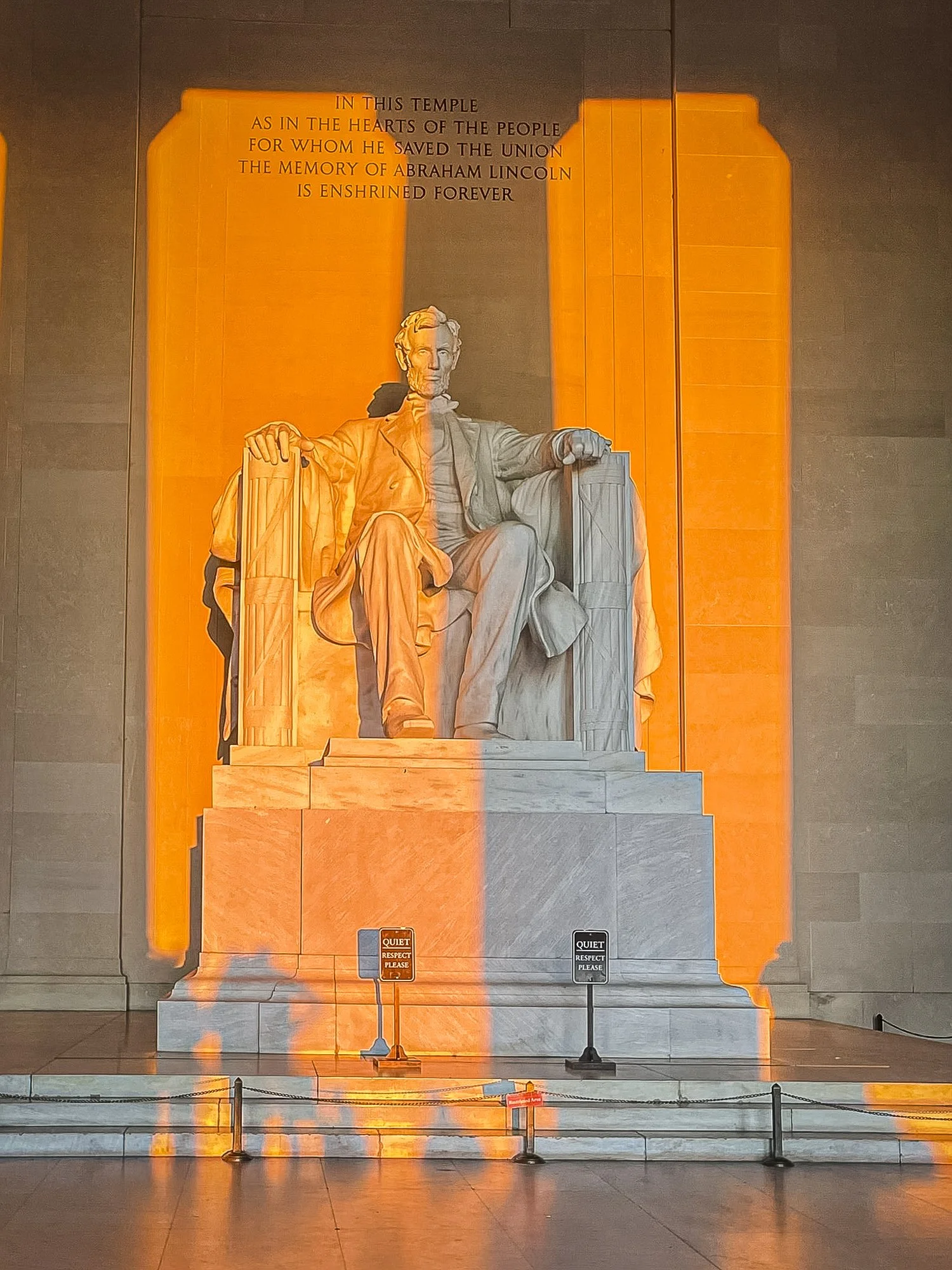
Lincoln Memorial at sunrise
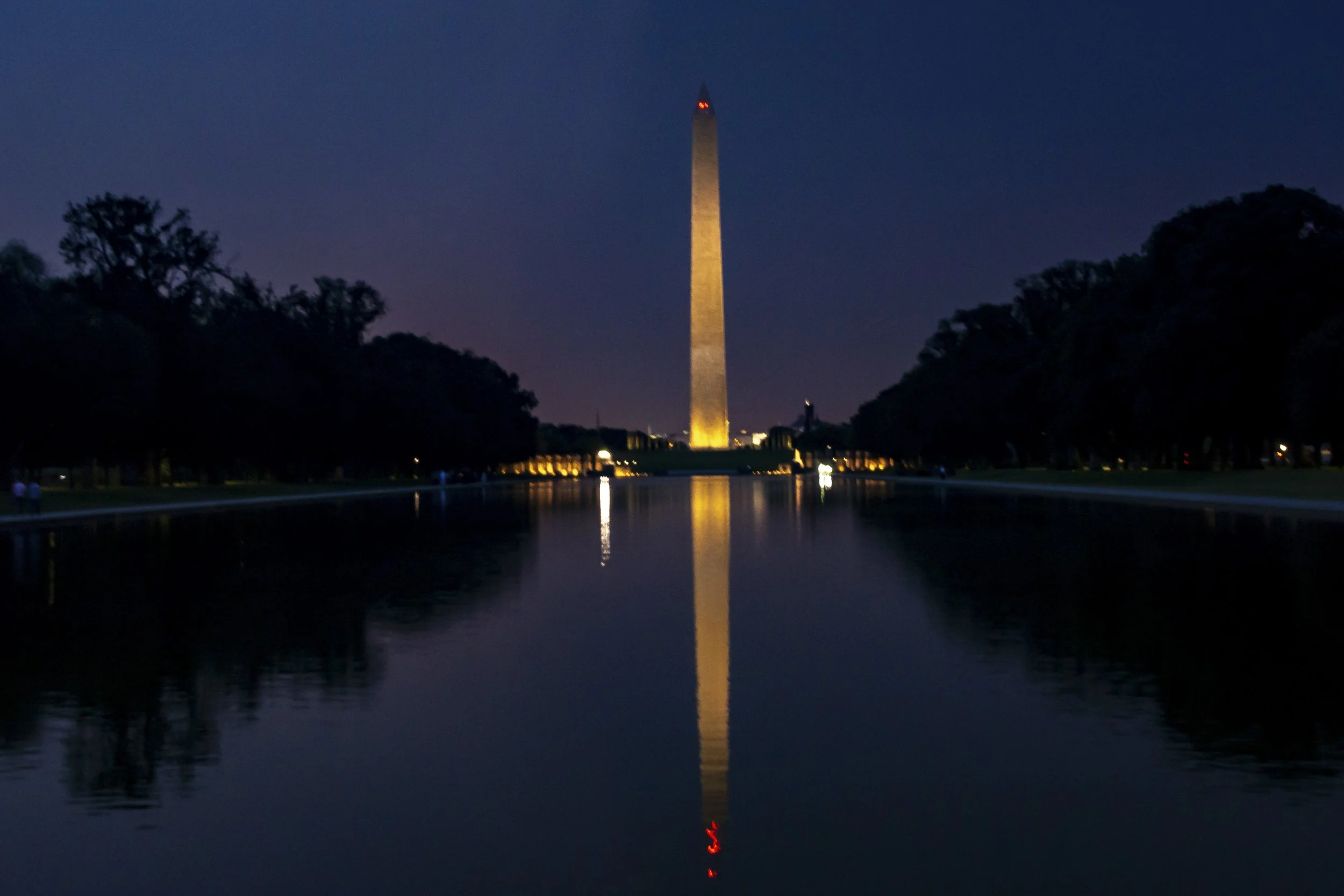
Washington Monument and Reflecting Pool
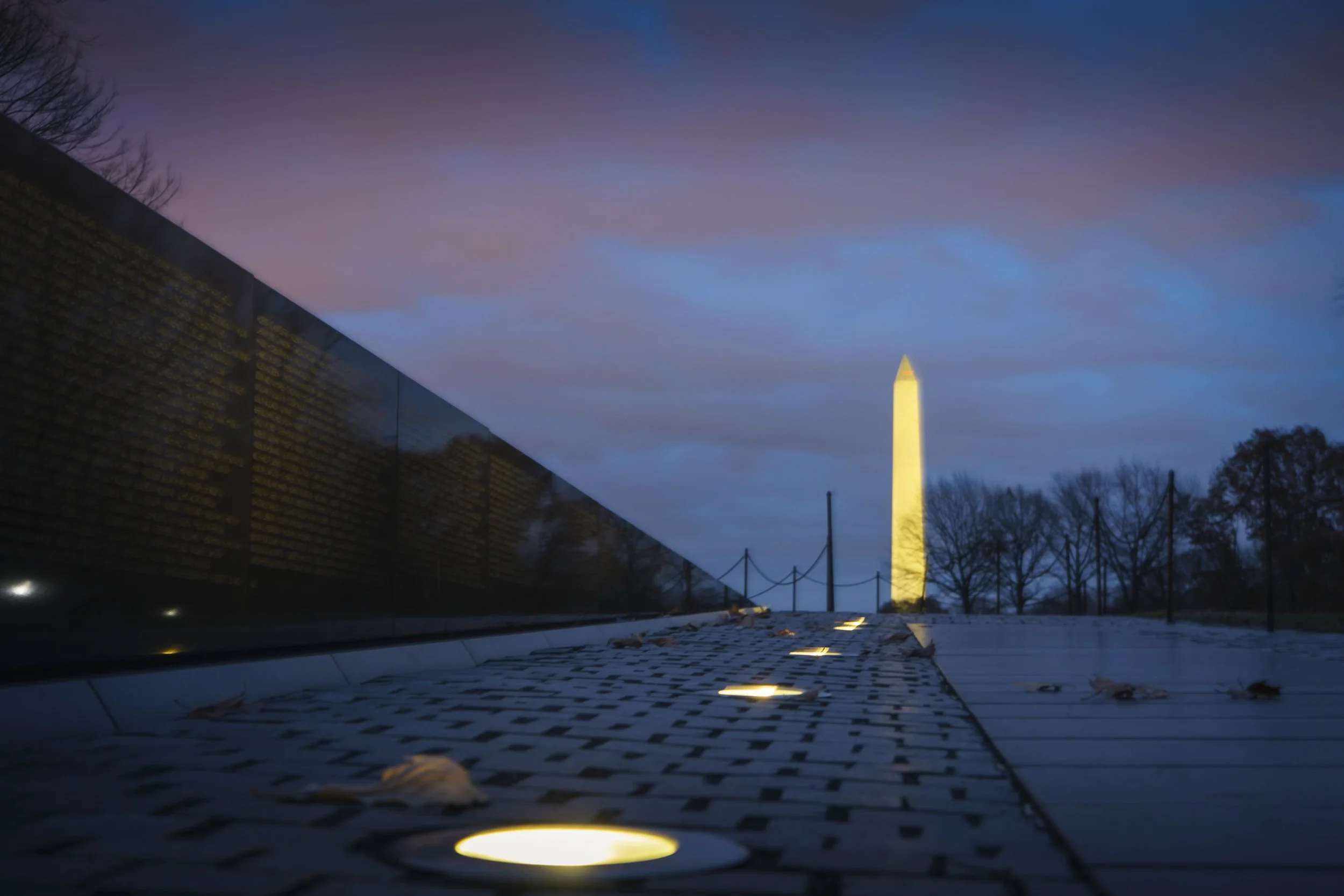
Vietnam War Memorial on a cold January evening - 2019
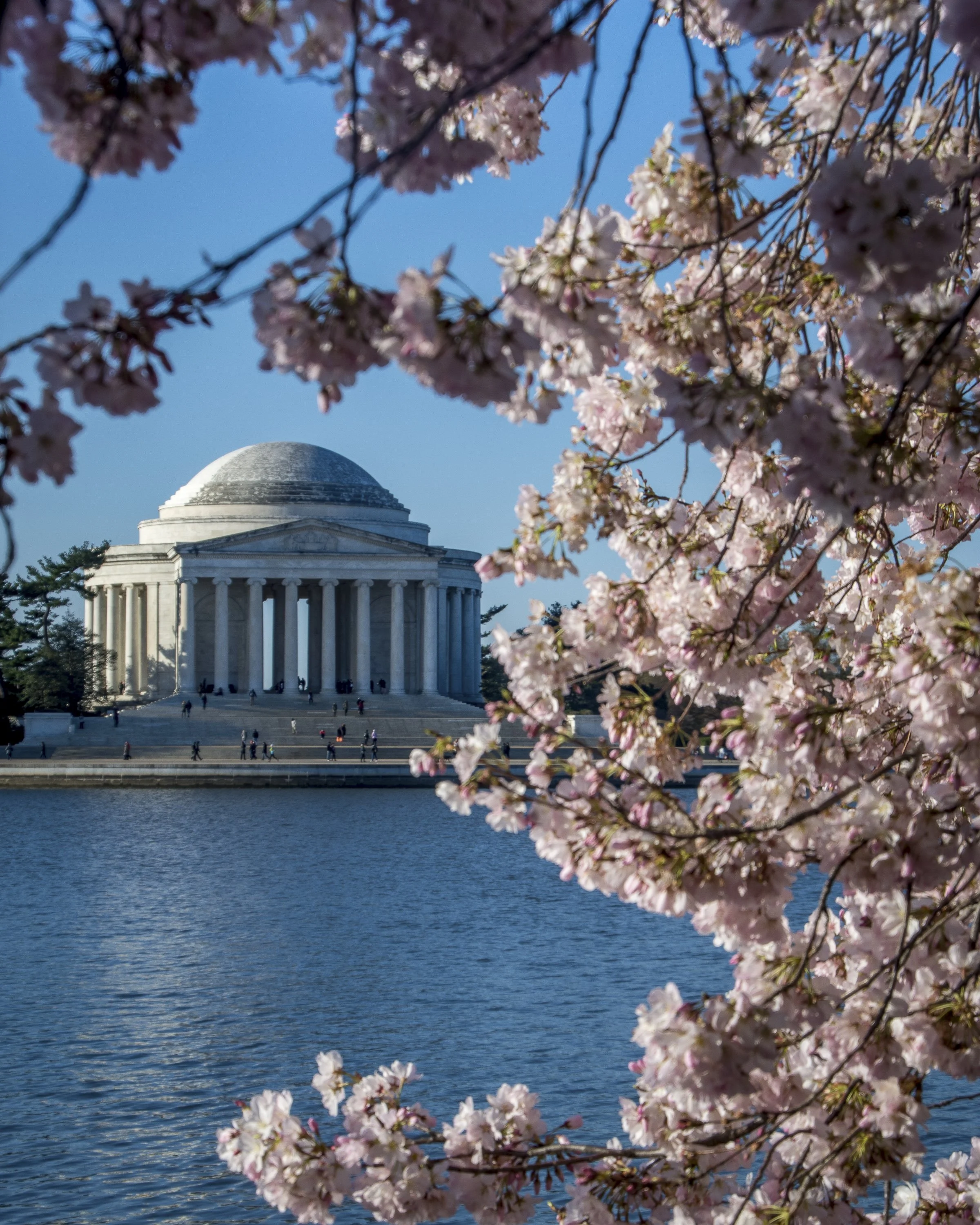
Cherry blossom framing the Jefferson Memorial - a marker of spring in DC
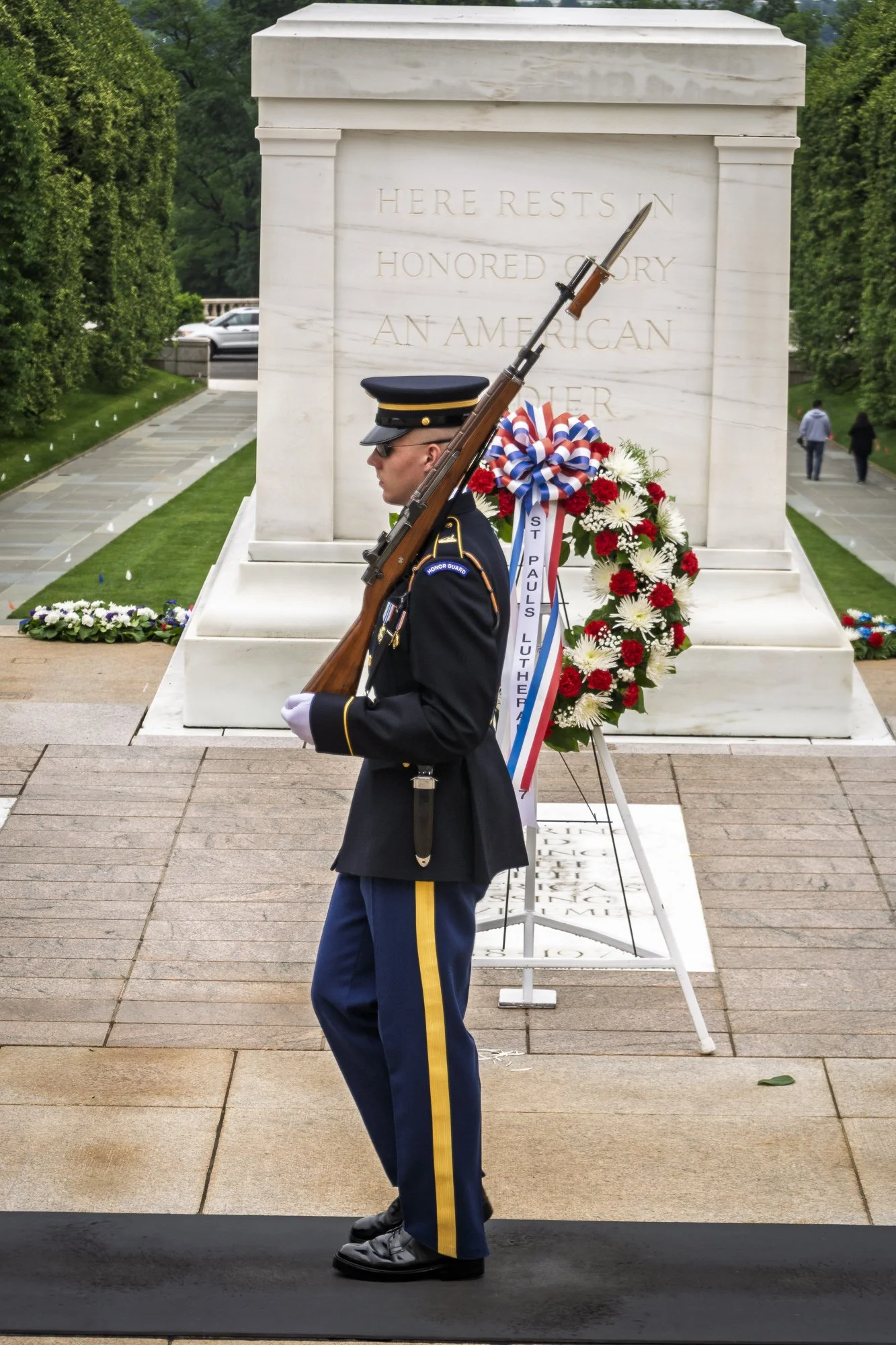
A soldier stands guard at the Tomb of the Unknown Soldier at Arlington Cemetery. Given the number of visitors I welcomed, I sometimes felt I was there just as often.
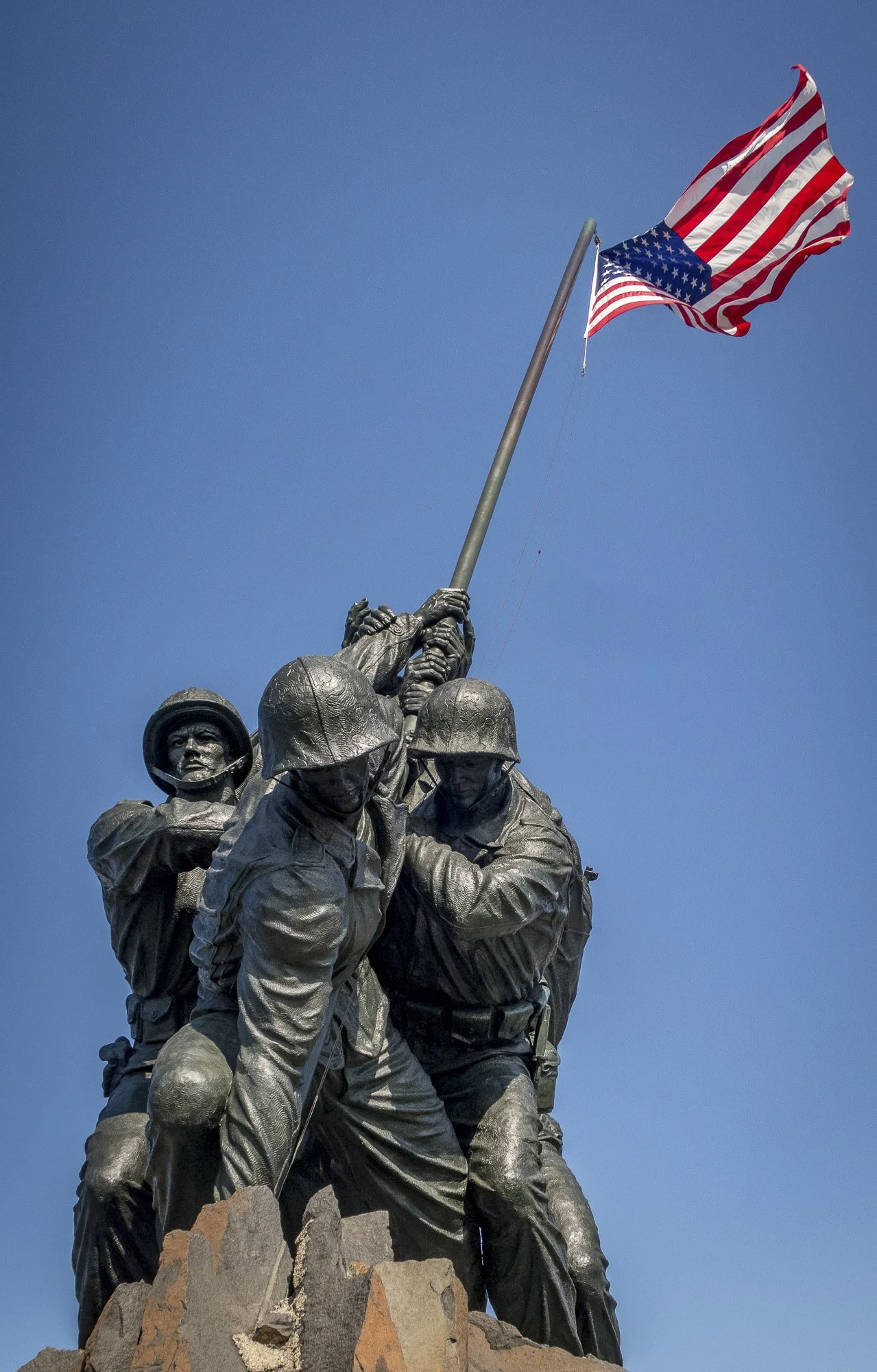
Iwo Jima Memorial in Arlington
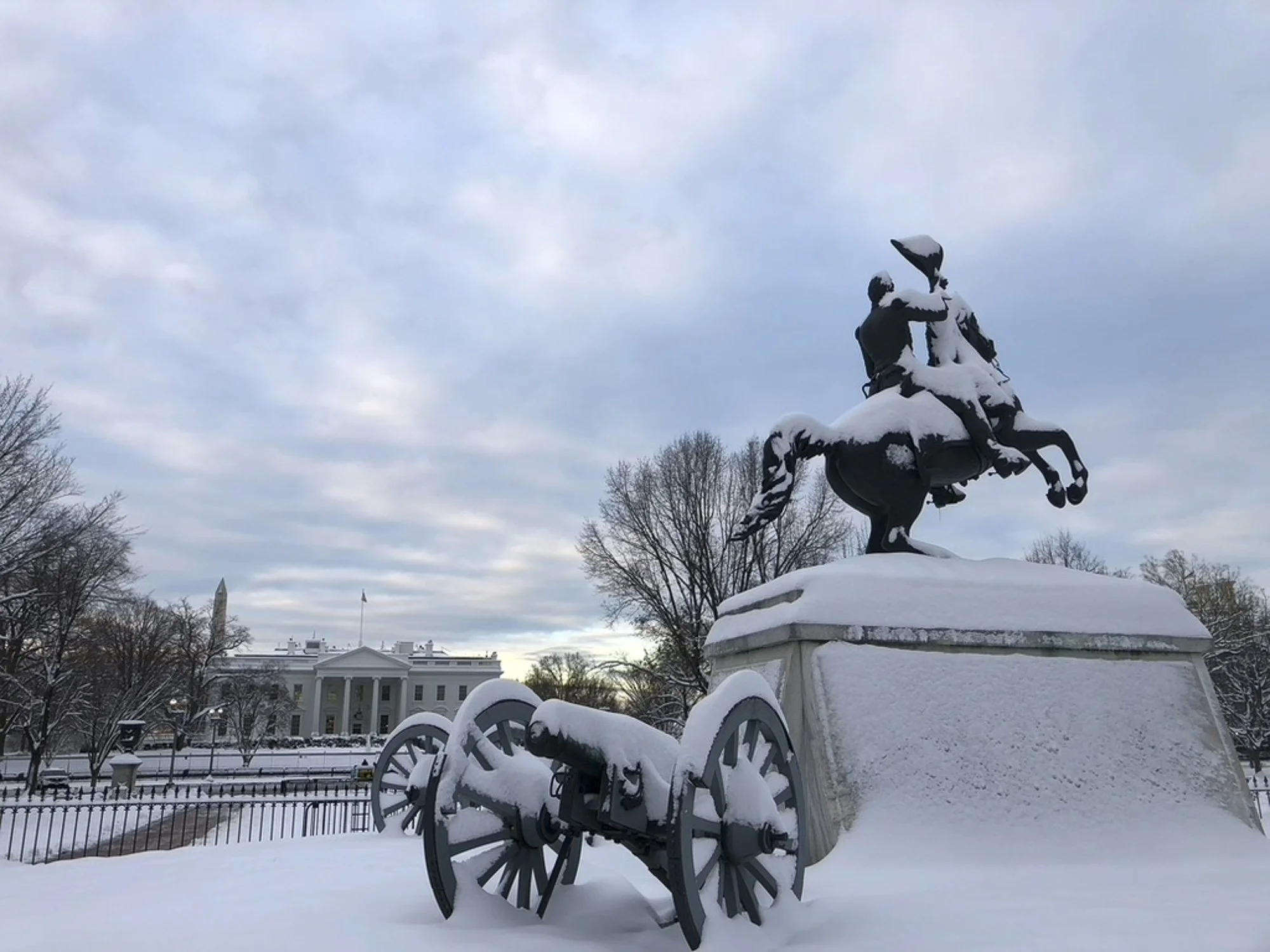
Winter at the White House from Lafayette Square. The White House was designed by an Irish architect, James Hoban - twice (once the original and then, after the British burned it down in 1812, invited back to supervise its reconstruction). His inspiration came from Leinster House in Dublin, home to the Dail - the Irish parliament
DC
Where America gathers.
If Washington is the nation's capital, then DC is its meeting place. Throughout the year, people arrive from every corner of the United States — not simply to visit monuments, but to participate in the life of the country. They come to remember fallen comrades, celebrate sporting triumphs, march for causes they believe in, and mark national anniversaries. During six years in the city I witnessed all of them. Different events. Different politics. Different generations. All sharing the same streets. Americans come to DC to gather, to protest and to remember.
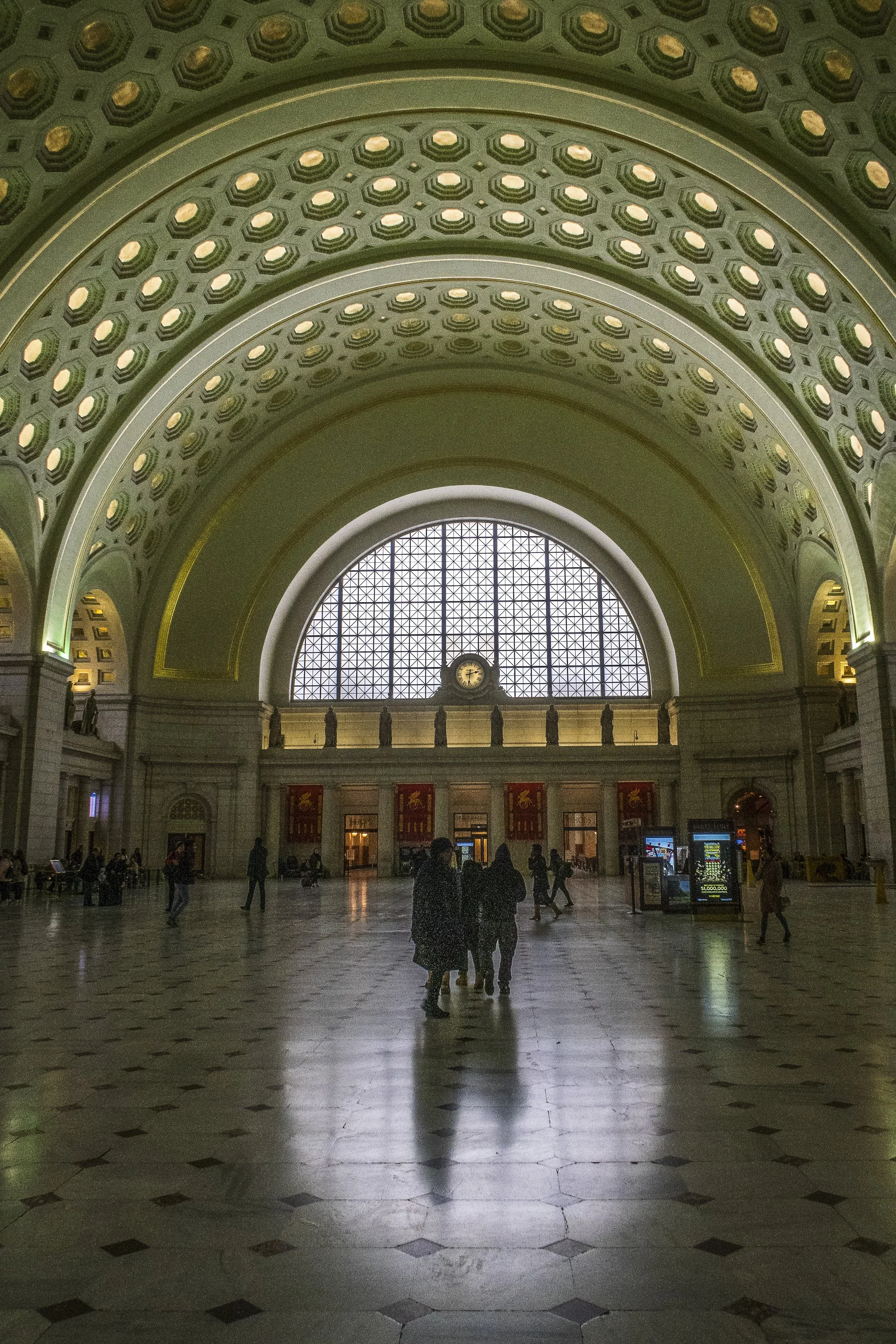
Union Station: Many international visitors to the US have New York’s Grand Central Terminal high on their visitor list. For me, Union Station gives it a very close run - exiting the station to views of the Capitol Building. In fact the foyers are so impressive, they acted as a venue for one of President Obama’s inaugural balls. Can’t imagine that happening for Andy Burnham at Manchester Piccadilly.
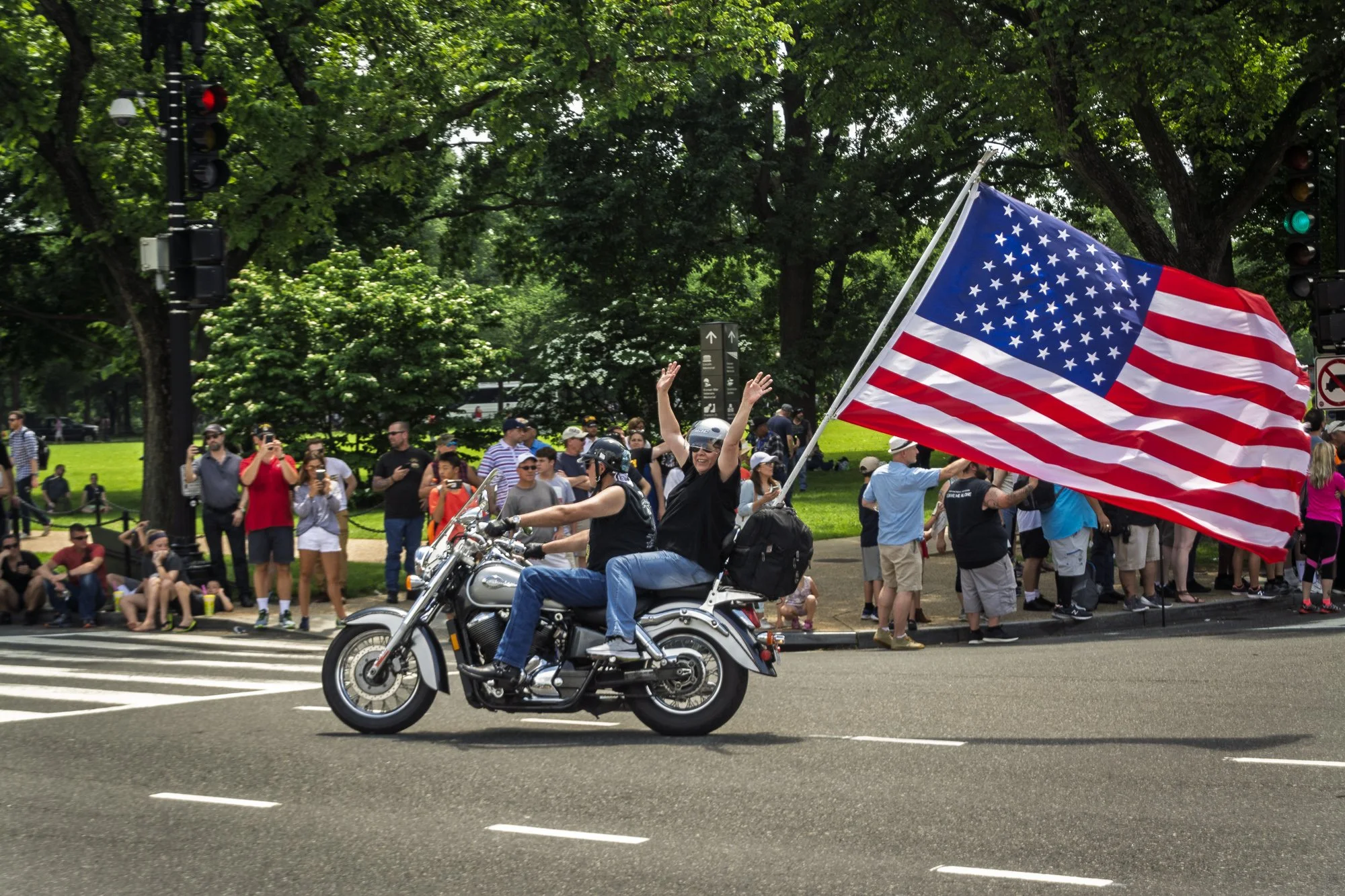
Rolling Thunder, May 2018. What began in 1988 demanding accountability for Vietnam POW/MIAs grew into a ride of up to a million motorcycles, staged from the Pentagon car parks and audible before it was visible. Neither I nor anyone watching knew it — but the following year's ride would be the last.
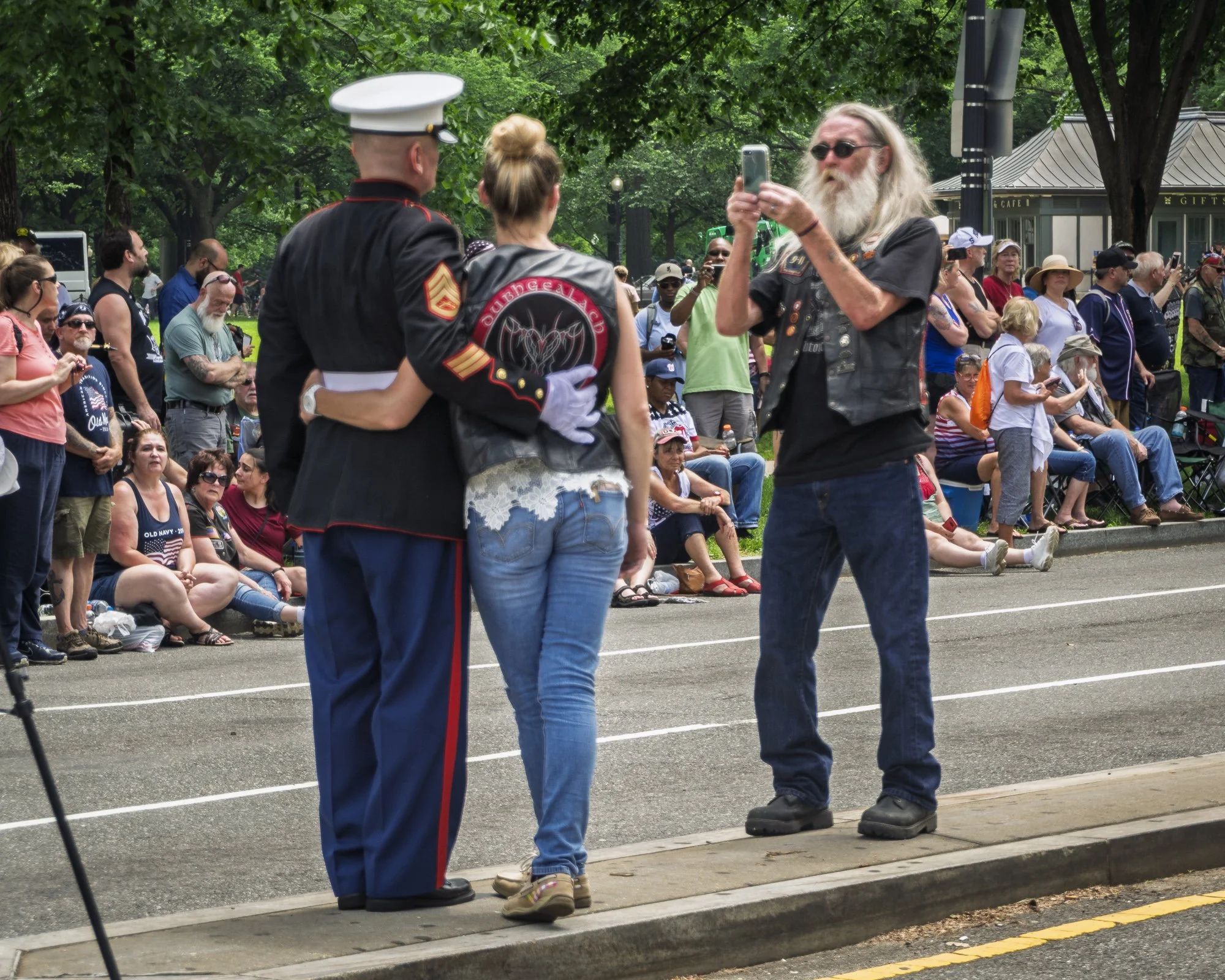
Rolling Thunder May 2018 - an ageing biker captures a souvenir for his partner.
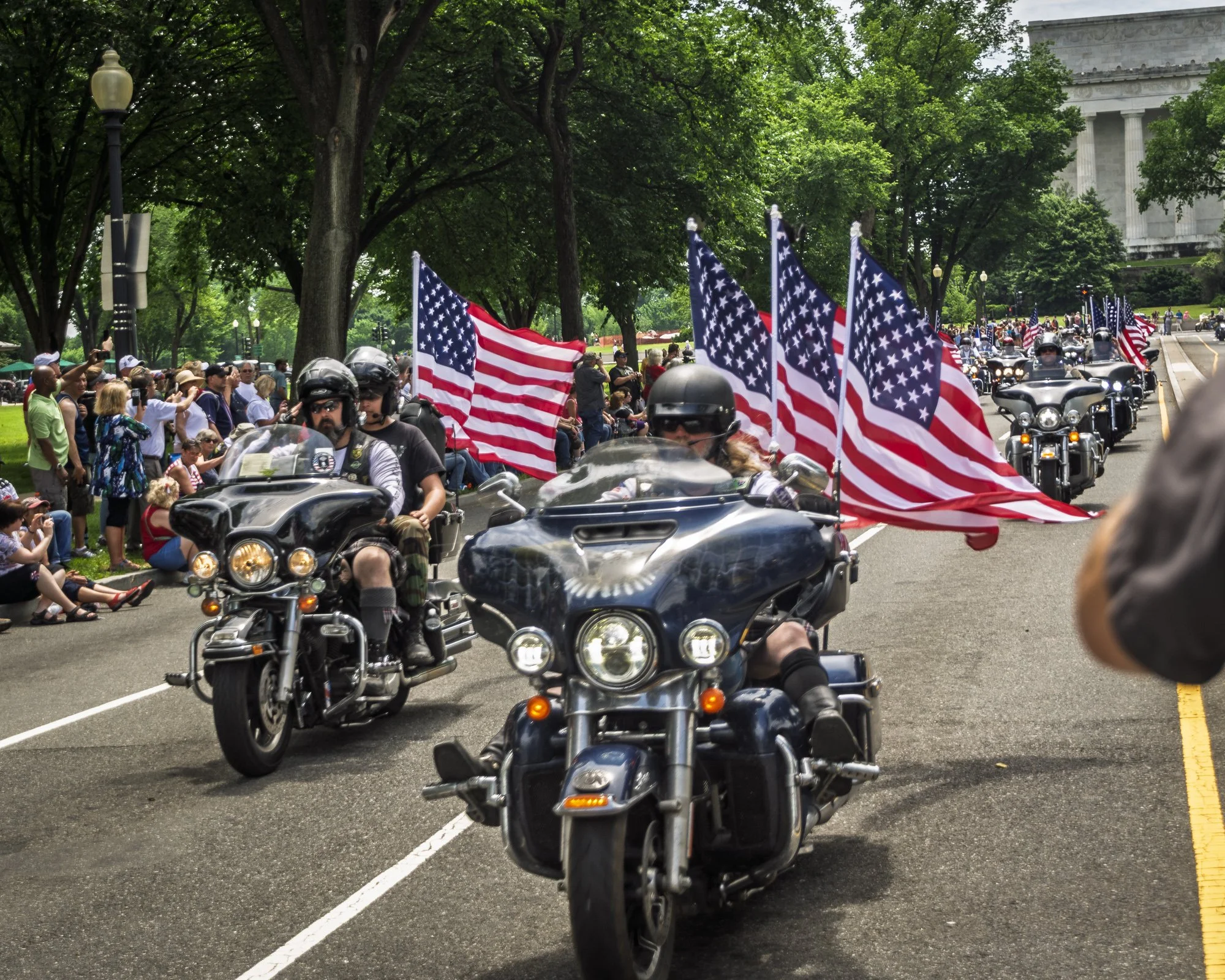
A phalanx of Harleys make their way down from the Lincoln Memorial.
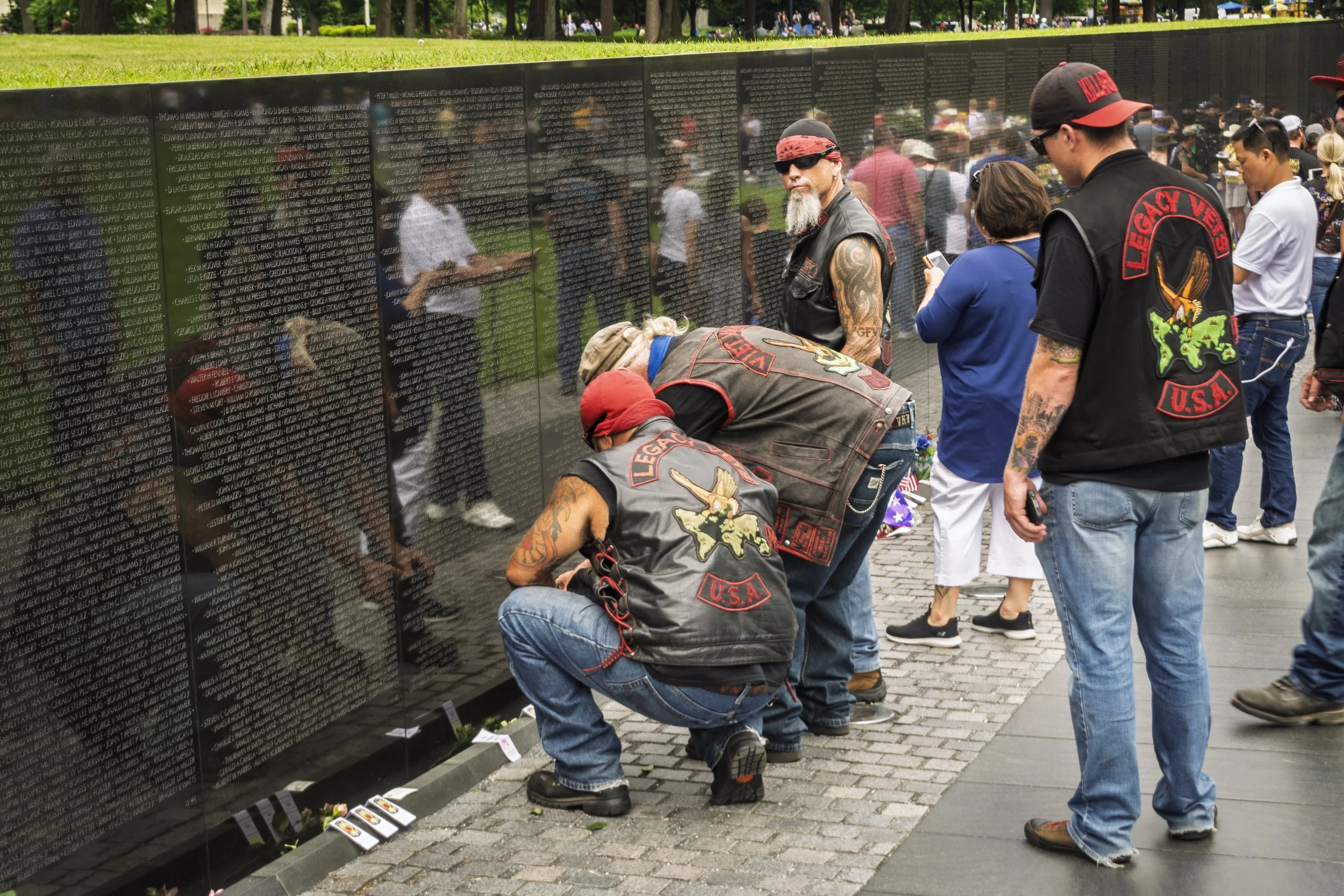
Remembering America’s fallen at the Vietnam Memorial
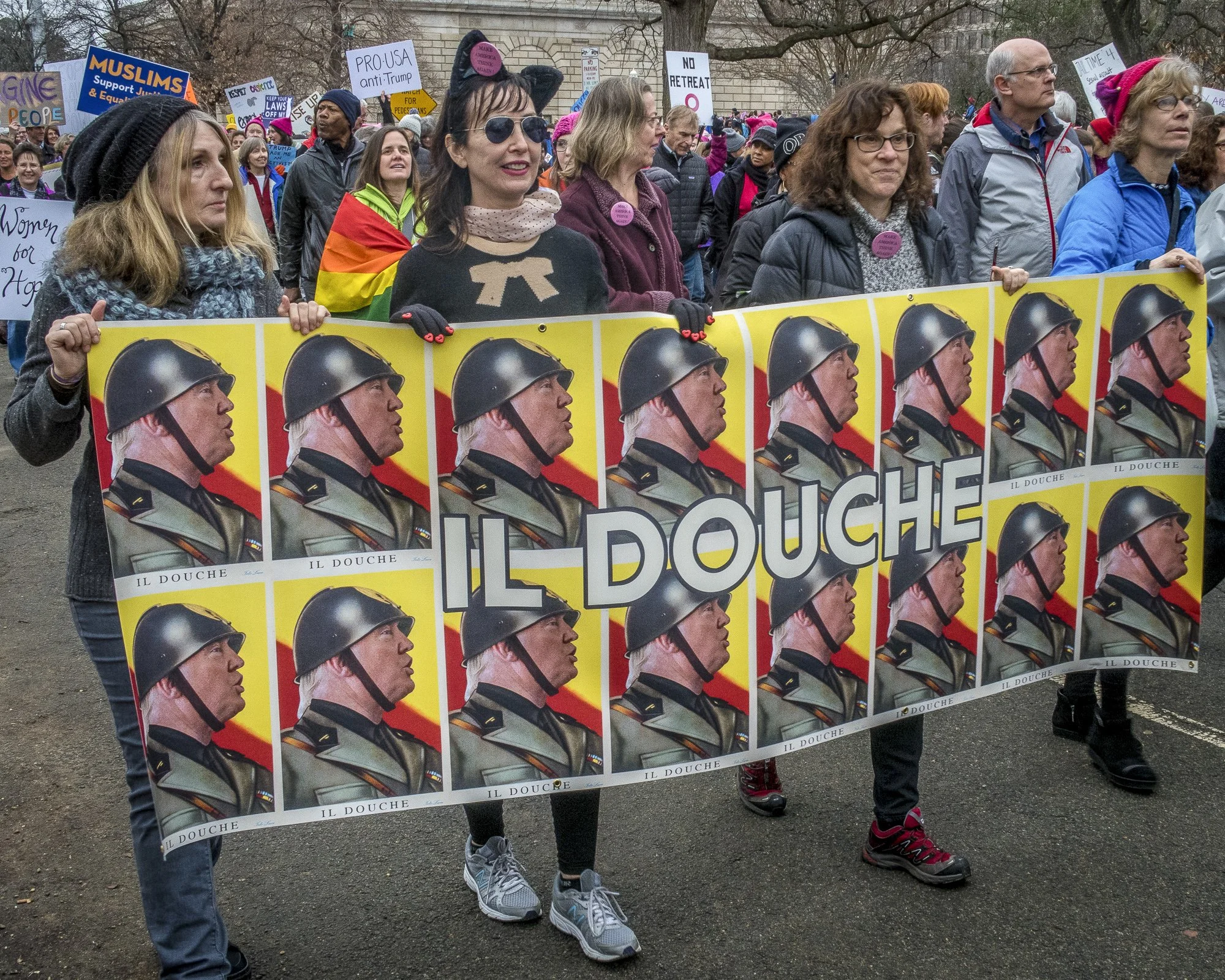
The million women (and plenty of men) march protesting the first Trump Presidency - January 2017
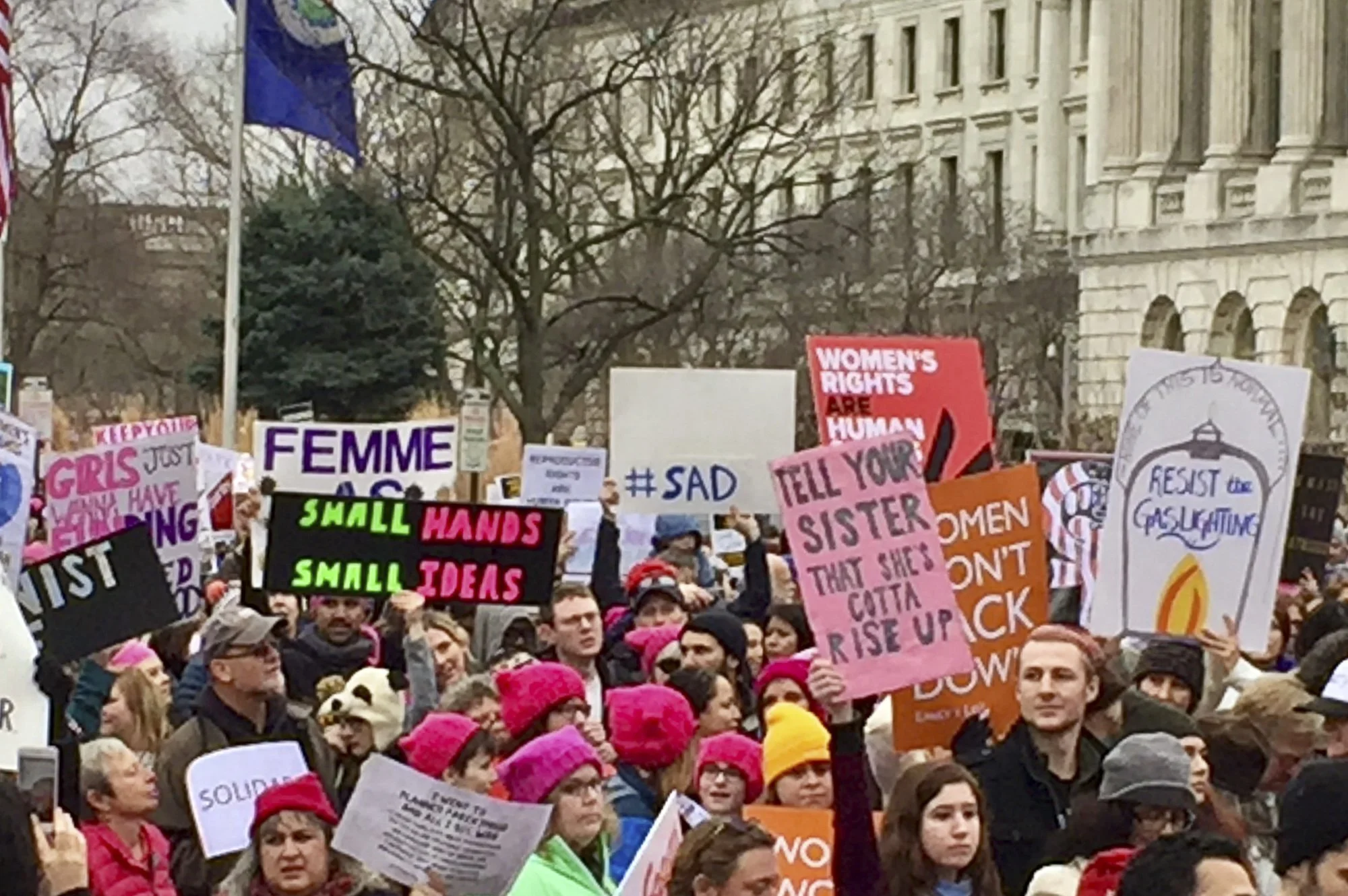
The Americans certainly know how to produce a witty placard
City of Art — in the museums and on the streets
For me, DC was never the Washington of The West Wing, political intrigue over oysters at Old Ebbitt Grill, or lazy tropes about "the Swamp". It came alive as a city in its own right. One of the great privileges of living there is that every Smithsonian museum is free. My favourite, the National Portrait Gallery, holds an astonishing collection of the people who defined American culture, and a wonderful glazed courtyard café where half the city seems to co-work.
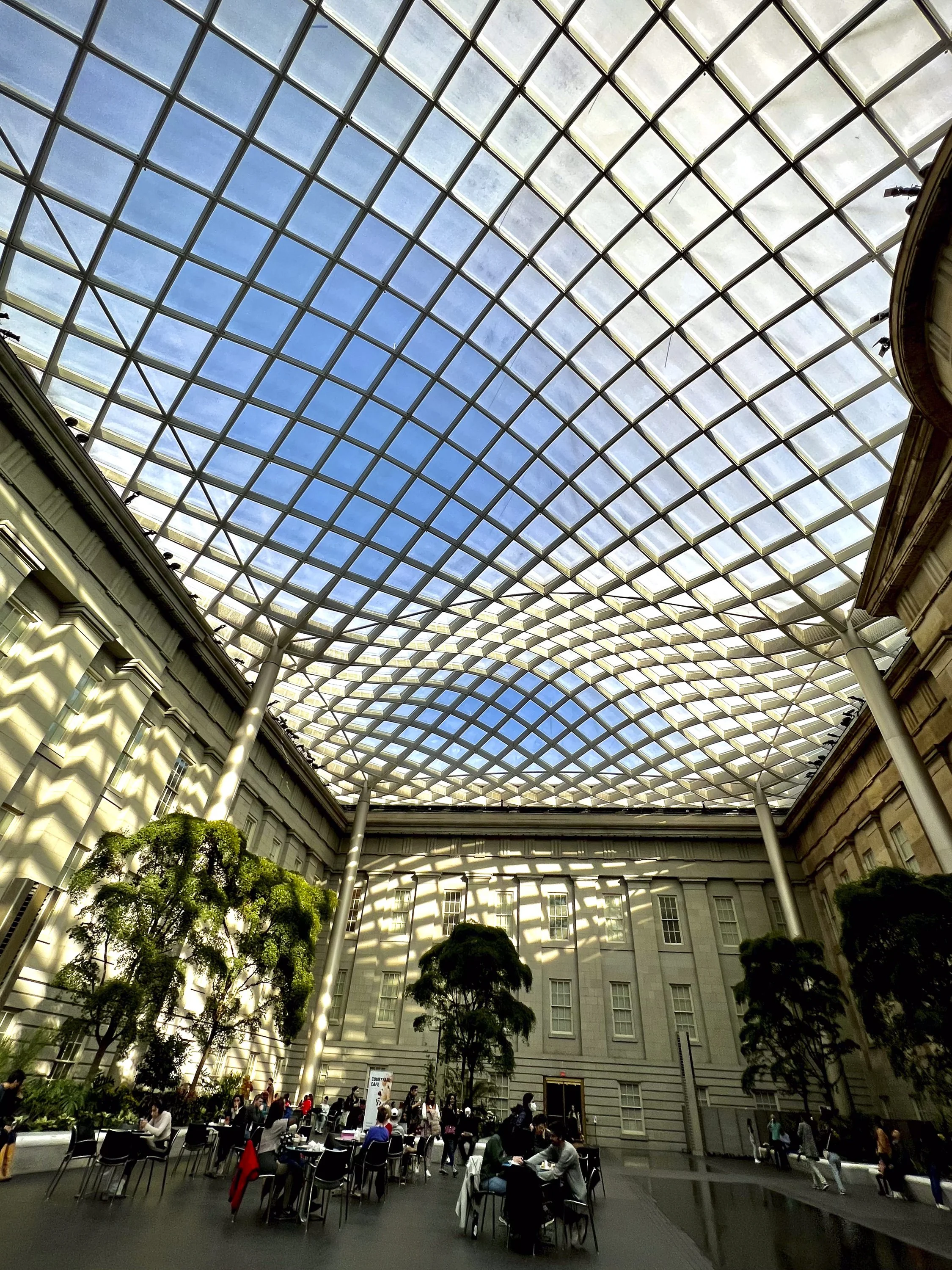
Concourse and co-work cafe at the National Portrait Gallery
Cities reveal themselves slowly. Not through their famous landmarks, but through the places you return to without planning to. For me, Washington's murals became some of those places. They were never destinations in themselves. They were simply part of the city's rhythm.
Washington possesses some of the world's great museums, but many of my favourite galleries were outside: painted onto brick walls in Shaw, beneath the arches of Blagden Alley, along U Street, and on forgotten corners where artists transformed ordinary buildings into public canvases. Discovering them over the years marked the beginning of my own transition from DC to the District.
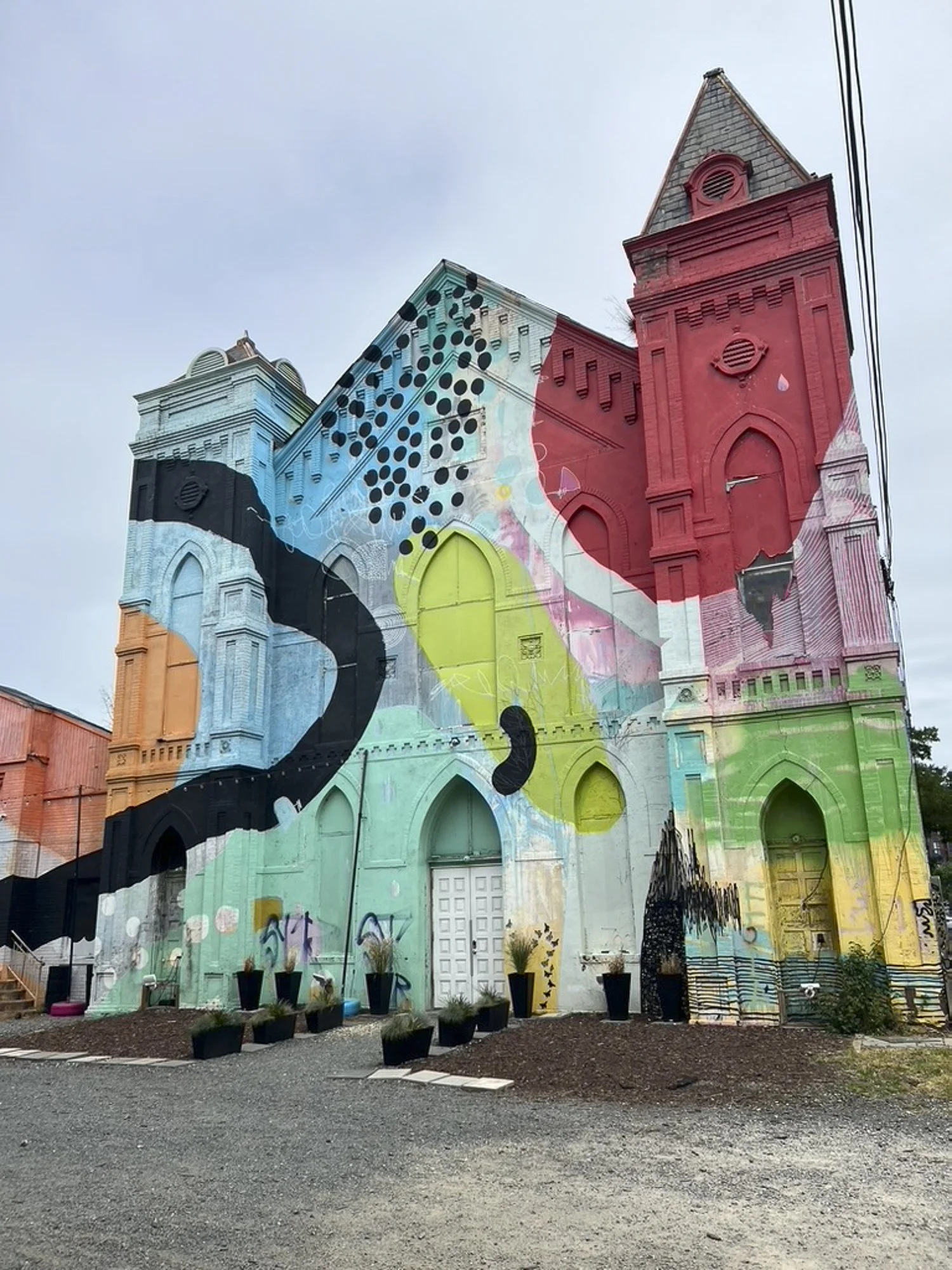
Culture House DC. Originally a Baptist church transformed by Atlanta artist HENSE in 2012.
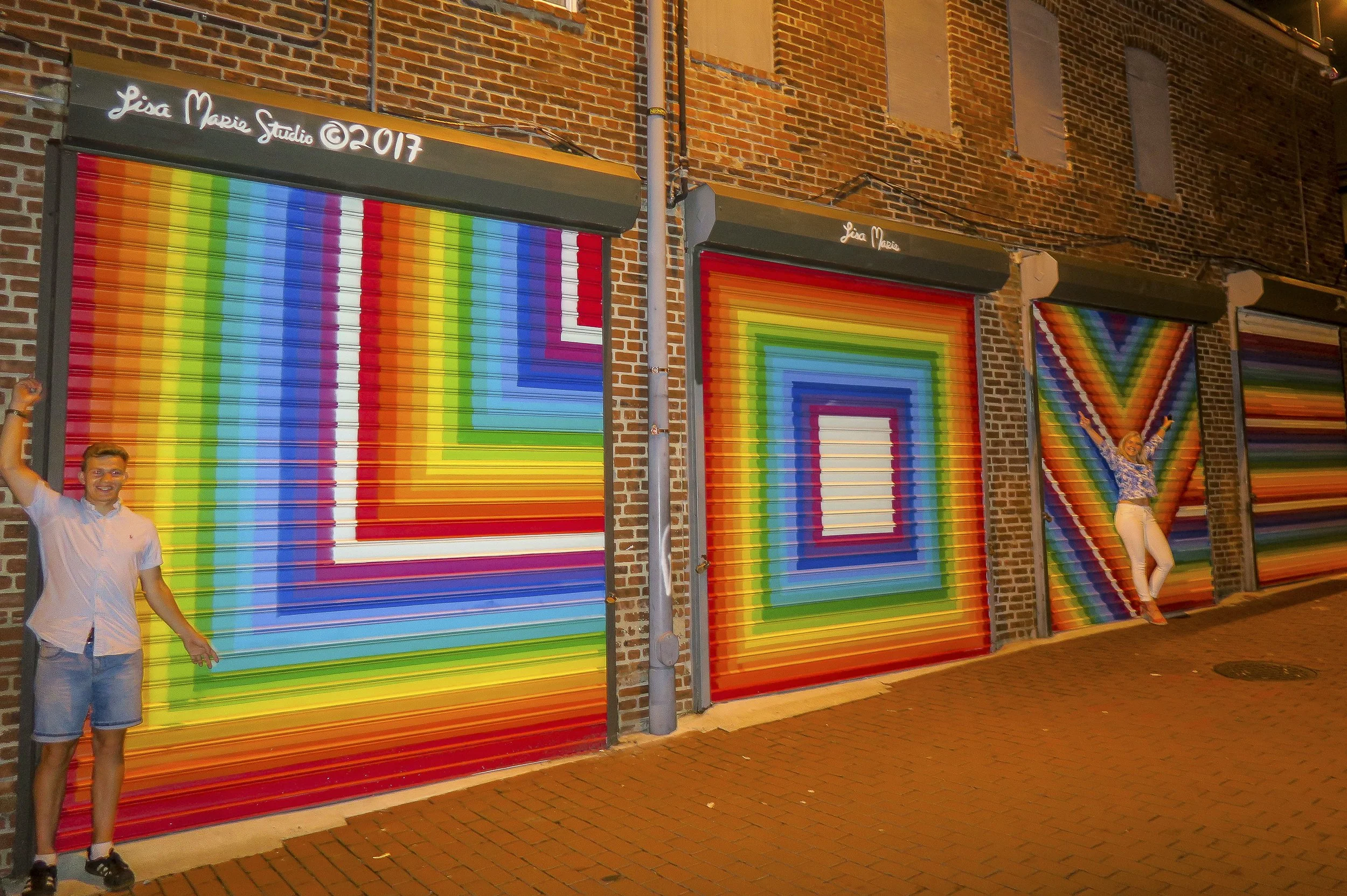
Living in Washington meant becoming a tour guide. Whenever family or friends visited, Blagden Alley was usually somewhere on the itinerary. The Love Mural became a favourite stop—for the art, and for what usually followed in the bars around the corner.
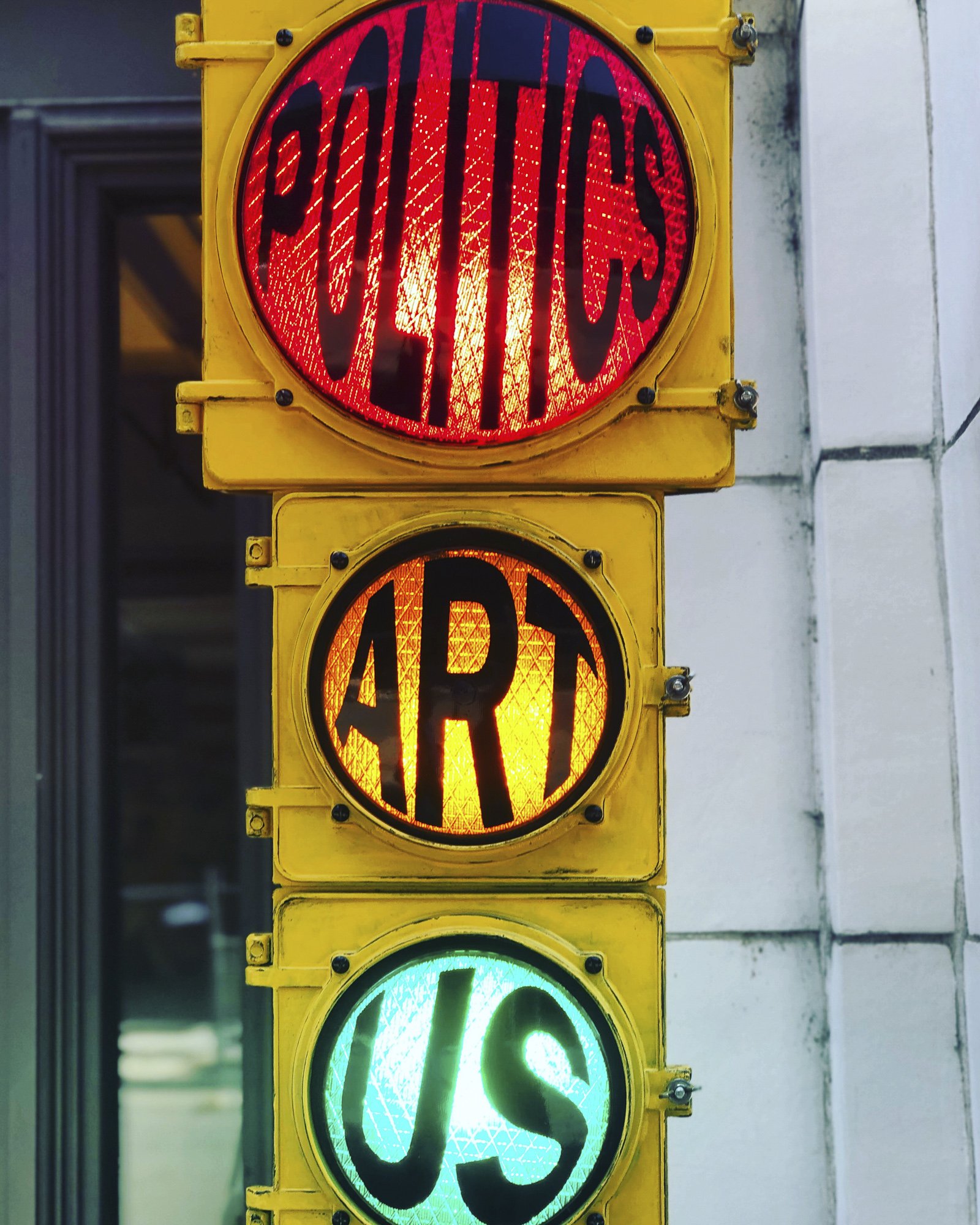
Murals, installations and small interventions appeared on almost every walk. But the longer I lived there, the more I realised they were saying something about the city itself. Unlike almost anywhere else I have travelled, Washington's public art rarely escaped the gravitational pull of politics. Elections, civil rights, protest, identity and democracy seeped onto brick walls as naturally as paint. Even the traffic lights were re-purposed to remind us we were in a political bubble - shot on K Street.
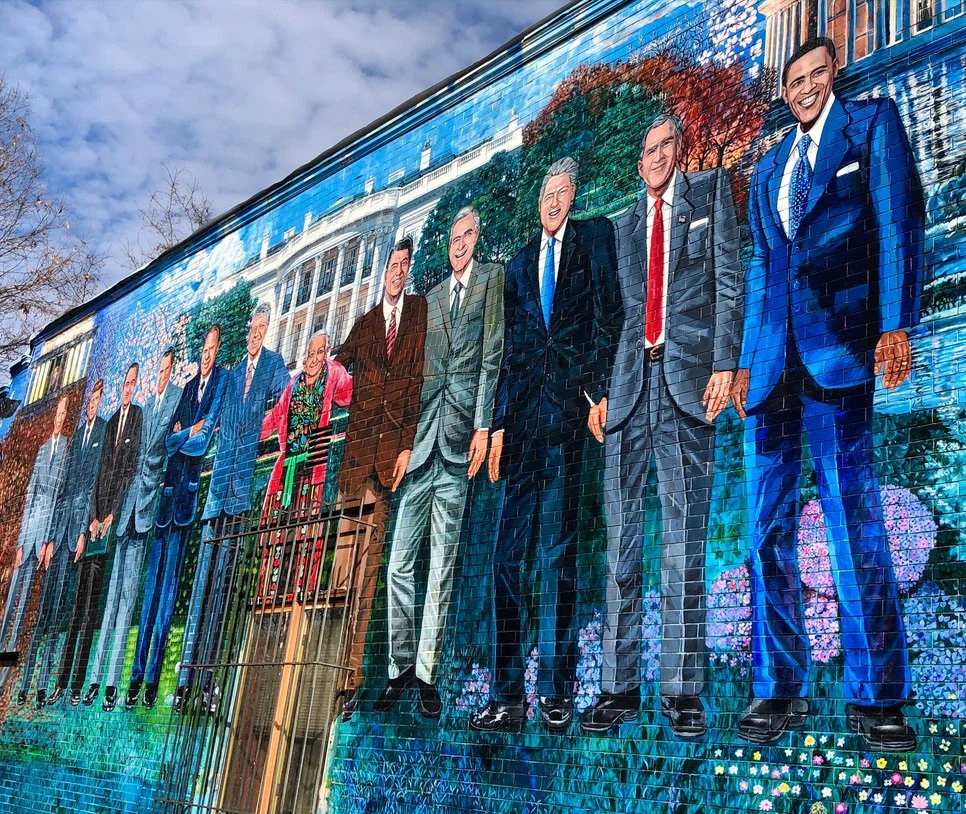
The Presidential mural on the side of Mama Ayesha’s restaurant in the Kalorama neighbourhood of DC. It was completed in 2009 and features every US president from Eisenhower to Obama. Not an obvious stop on the tourist rail but one worth stopping at.
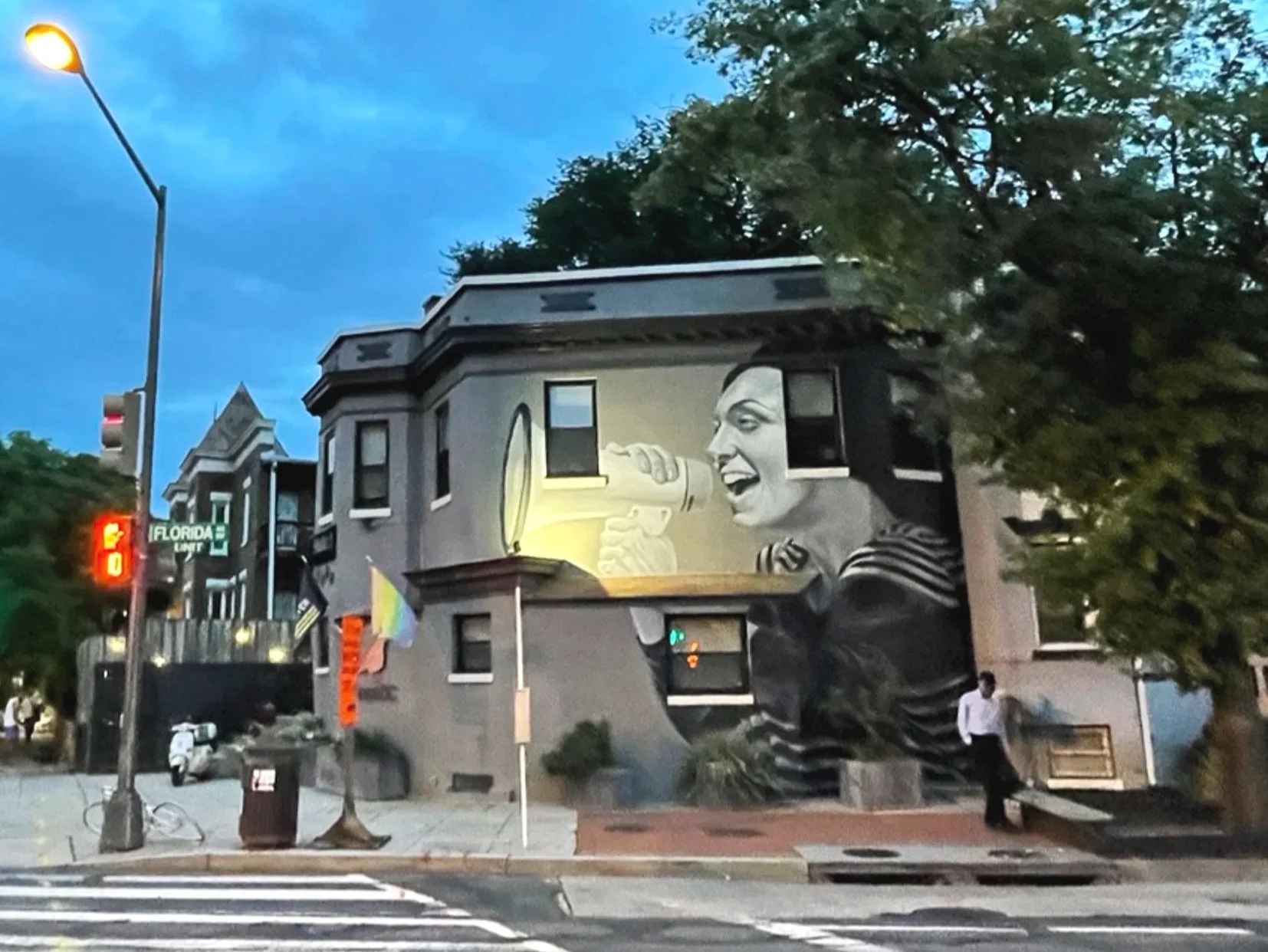
DC - where the street art has just as loud a voice as the people.
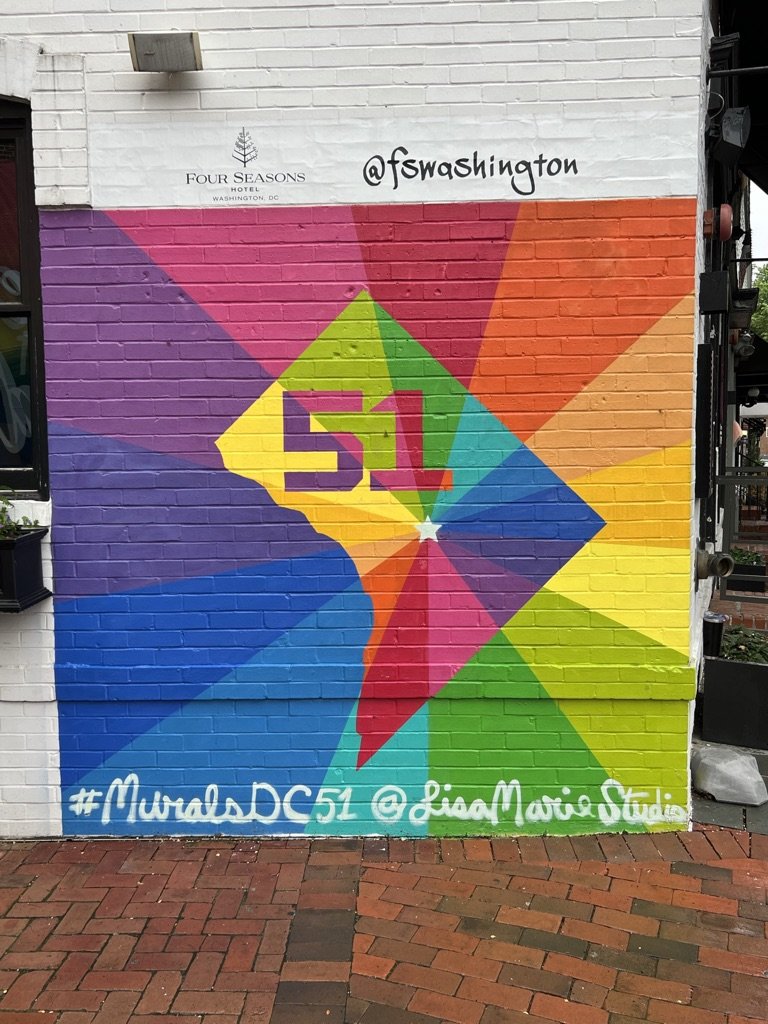
Another of Lisa Marie Thalhammer's Georgetown murals. Even public art became part of Washington's conversation about identity. "51" represents the campaign for DC statehood—and a reminder that the residents of the nation's capital still have no voting representation in the US Senate.
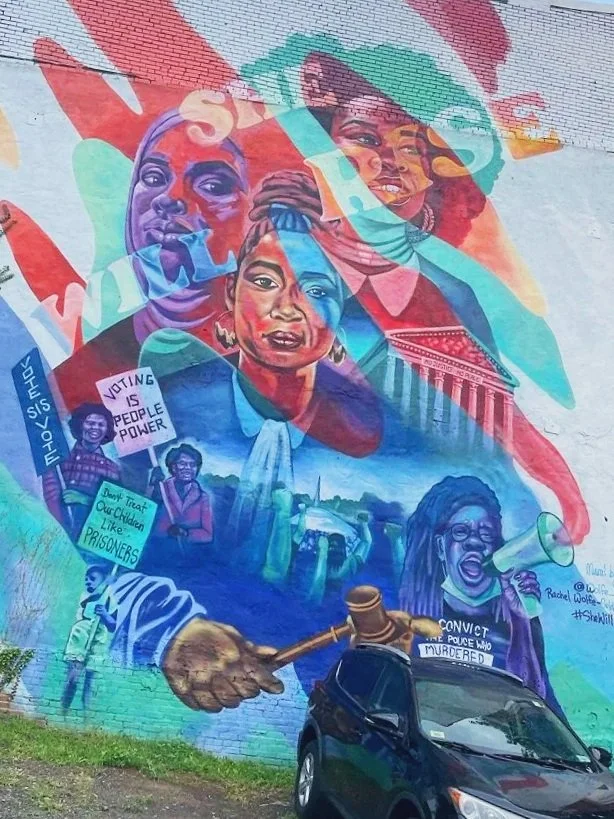
‘She Will Rise”
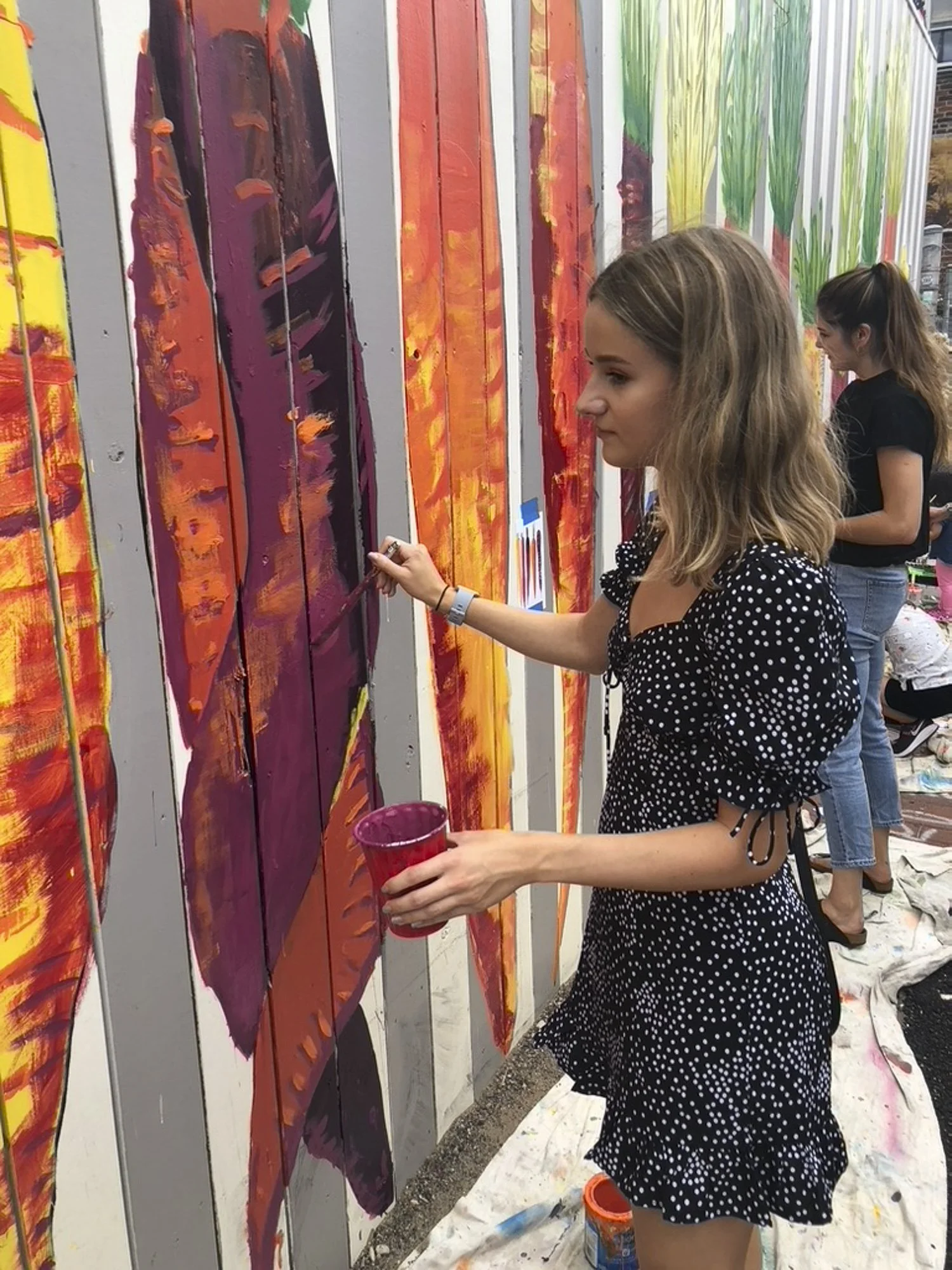
Community mural, Blagden Alley, 2019. Residents were invited to help paint the installation, and this is my daughter adding her own brushstroke. Cities stop being places you visit when you begin to leave something of yourself behind. Looking back, this was the moment I realised we were no longer in Washington or even DC. We were in the District.
The District
Where the city finds its rhythm
Washington revealed itself through its monuments. DC through the people who came to gather there. The District took longer. Officially, "the District" is simply shorthand for the District of Columbia. But for me it came to mean something else entirely. It wasn't a geographical definition so much as a collection of places, people and routines that made the city feel like home.
Some of those places were in Washington itself. Others lay beyond its official boundaries. It didn't matter to me. My District stretched from U Street and Shaw to summer evenings at IOTA in Arlington, walks through Georgetown and Saturday Nights in Adams Morgan, Sunday’s at Union Market or strolling through Eastern Market. It wasn't where the city ended. It was where I felt I belonged.
That sense of belonging had a soundtrack.
Music became my map of the city.
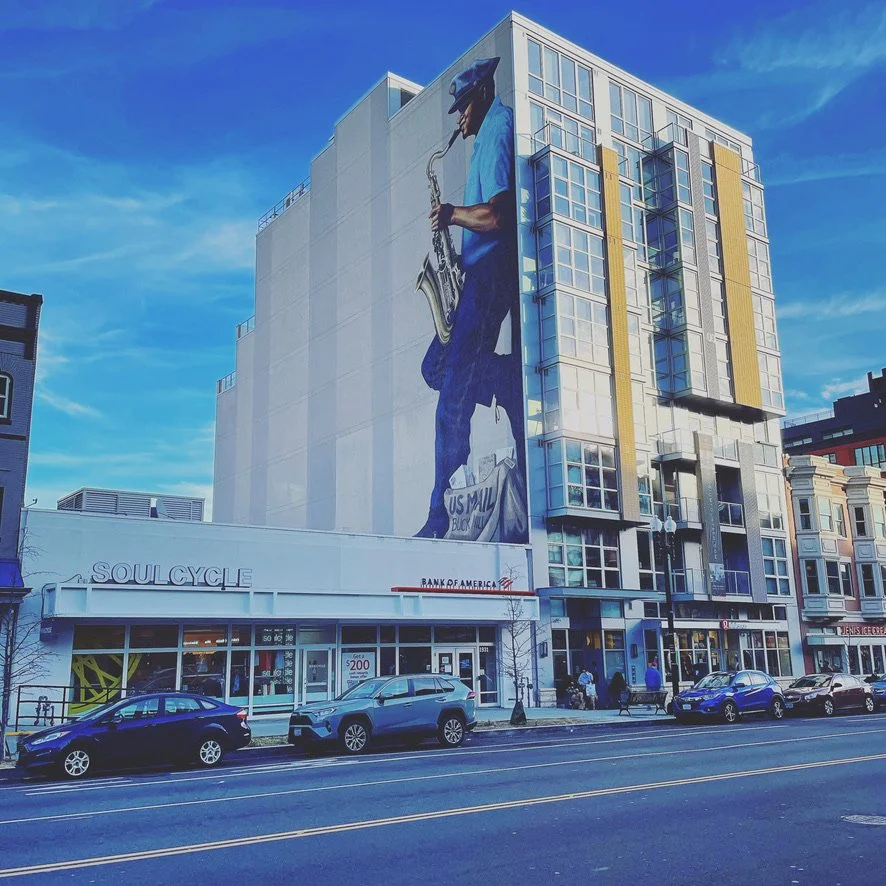
Roger "Buck" Hill mural on 14th Street. Also known as the “Wailin’ Mailman”, he chose Washington over the touring life, balancing four decades delivering mail with performances alongside Dizzy Gillespie, Miles Davis, Sonny Rollins and other jazz greats. His story says as much about the District as any monument ever could
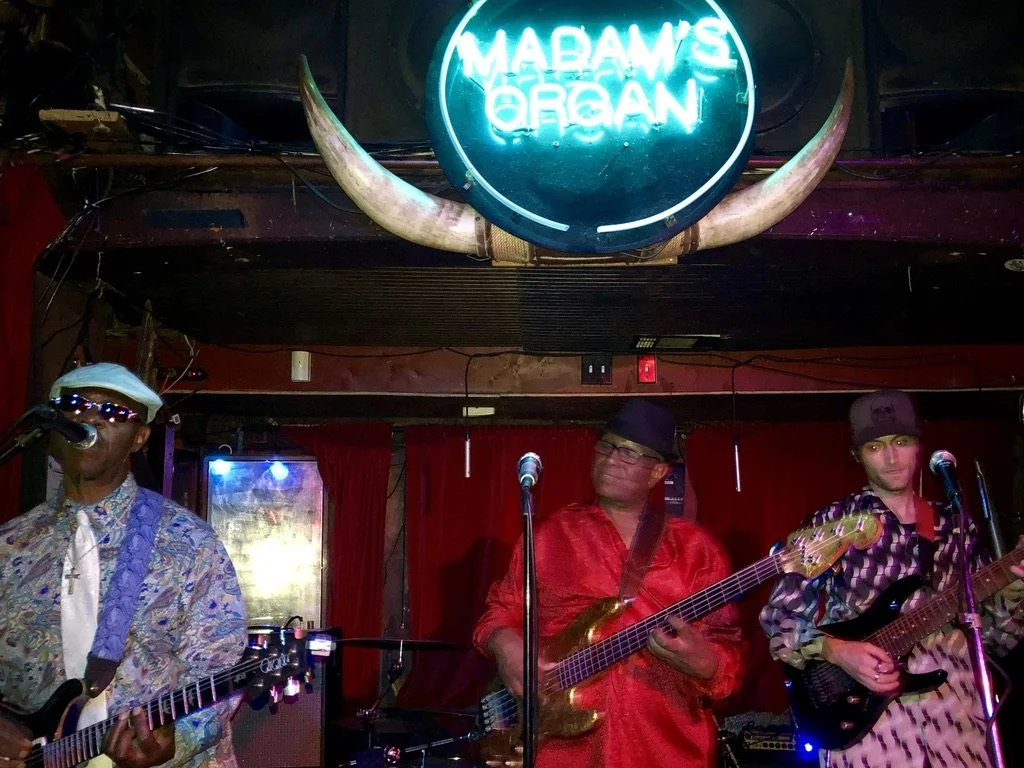
Another gig at Madam’s Organ - a pun on its location in Adams Morgan. Each pre-show set included a Citizen Cope track, usually Bullet and a Target. And while the bands were largely unknown beyond DC and neighbouring states, they were uniformly excellent.
The overheard city was one thing. The nights out were another. Biffy Clyro — a band who fill arenas at home — play the 9:30 Club in Shaw, close enough to touch. Squeeze, forty years out of South London, take the stage at the Kennedy Center and the Arctic Monkeys command the Anthem down on the reinvented Wharf. And then one night at the Anthem, Bob Dylan.
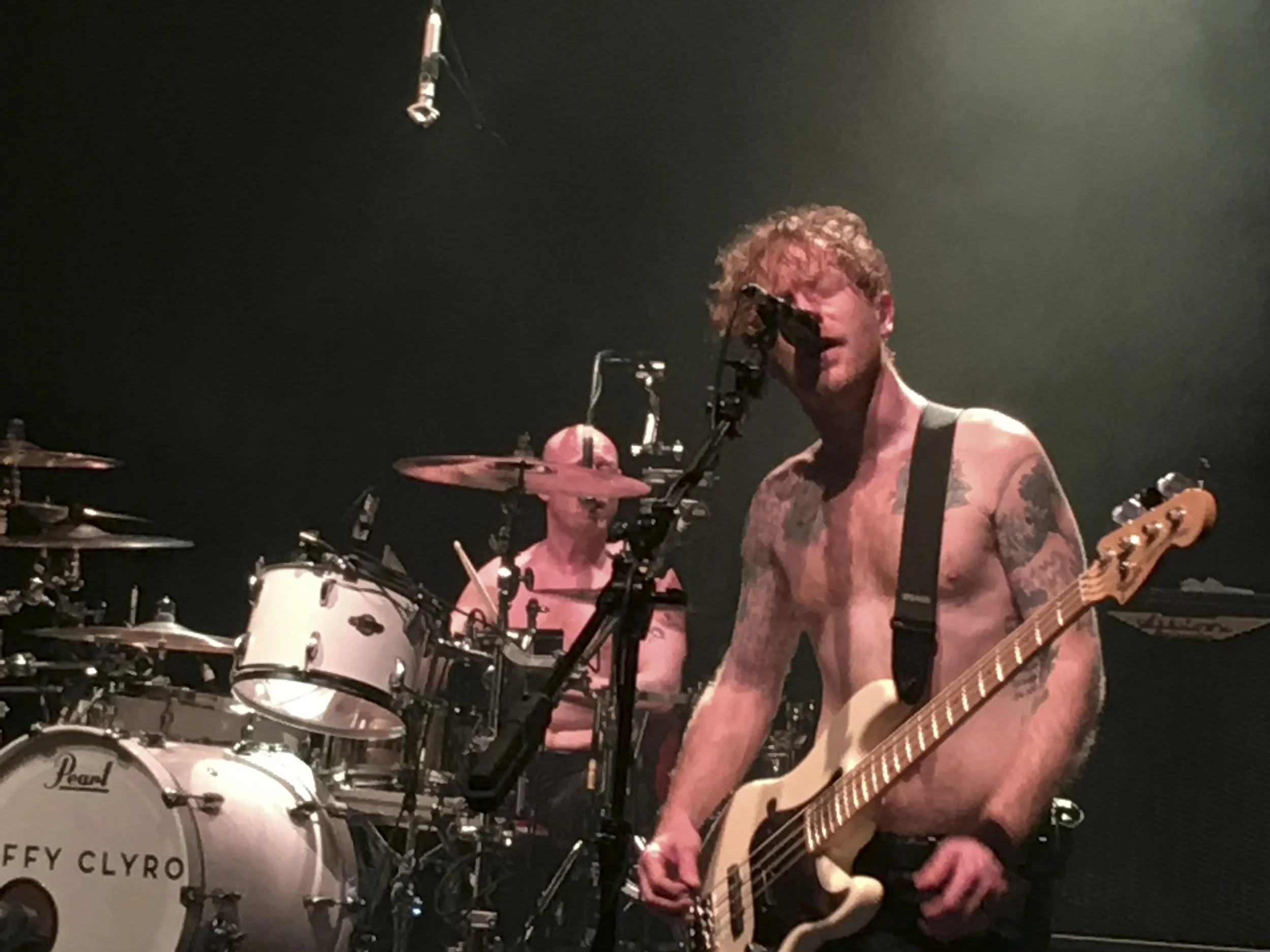
Biffy Clyro playing the 9:30 club in Shaw.
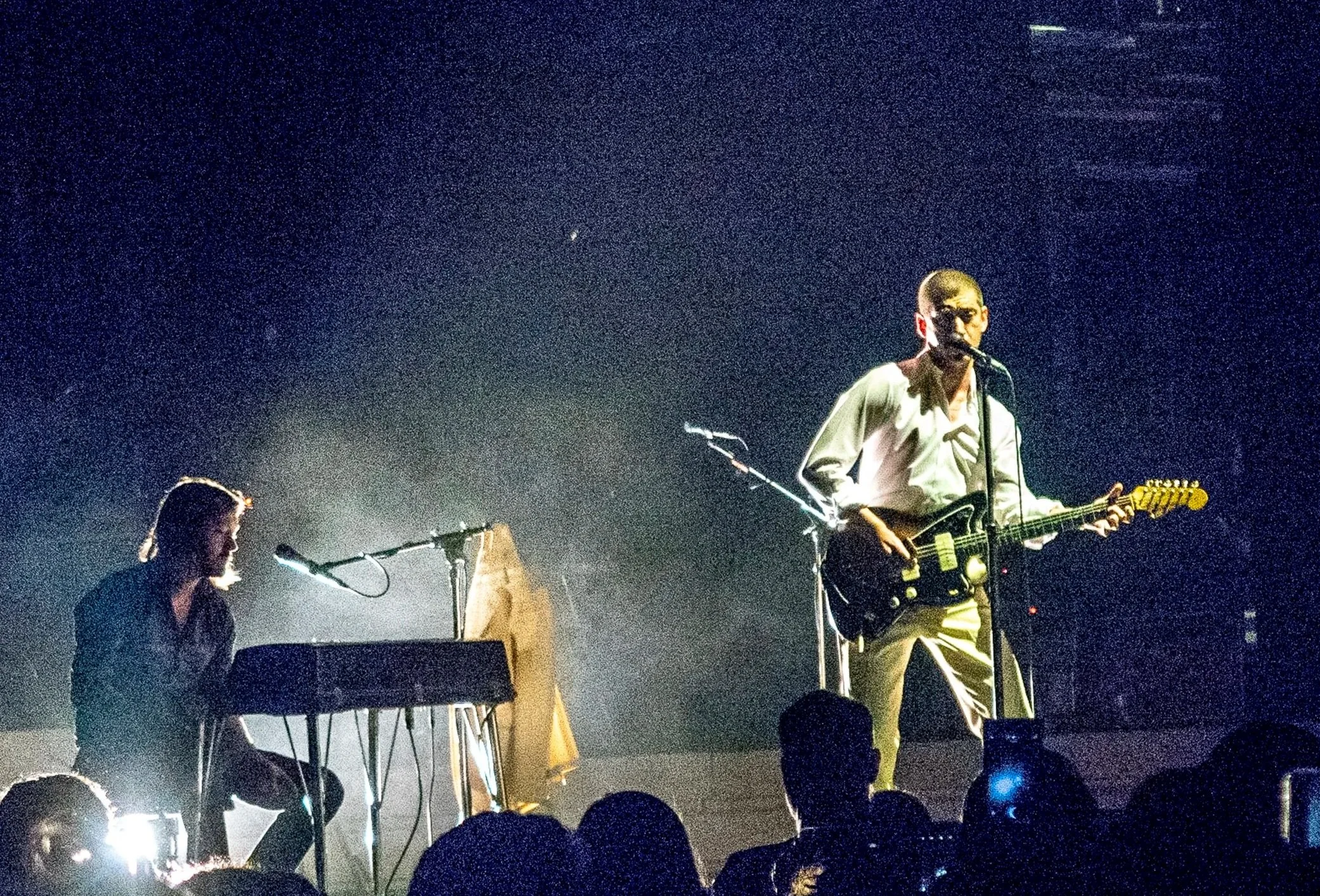
Arctic Monkeys at the Anthem, a relatively new venue in the revitalised Wharf neighbourhood.
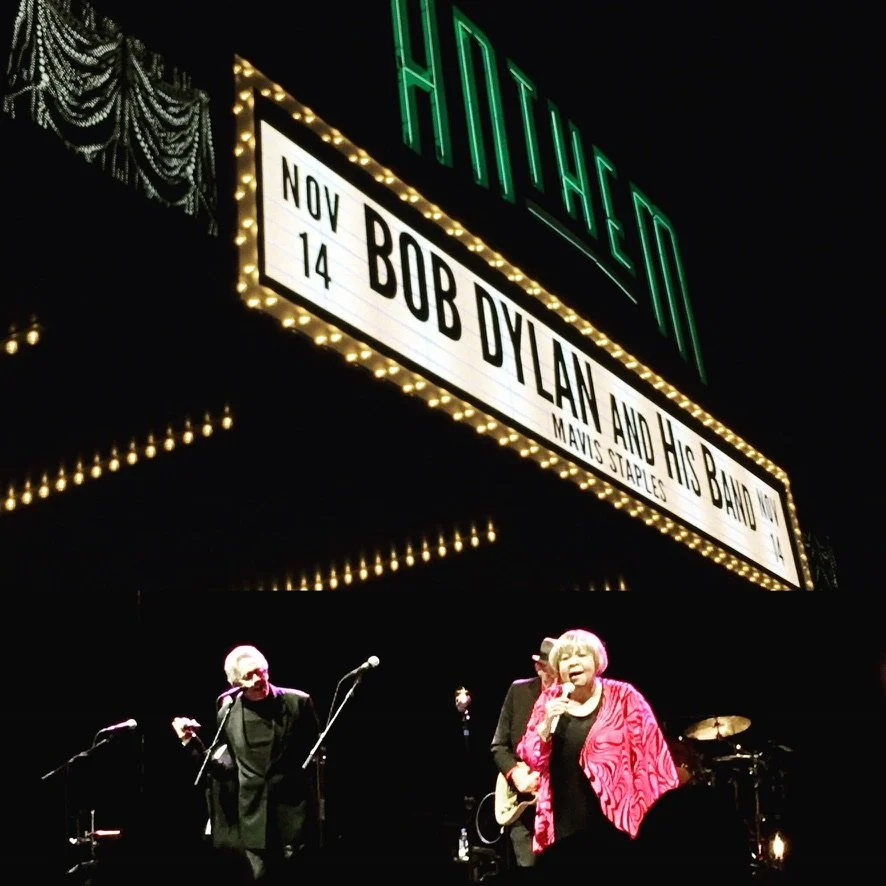
Bob Dylan and Mavis Staples at the Anthem.
District Sports
Sport became one of the unexpected joys of living in the District. Baseball, basketball, ice hockey, American football and even football (soccer) all became part of my Washington story—even if the Washington Commanders don't actually play in Washington, but across the border in Maryland.
For years, Washington's sporting identity had been defined more by hope than expectation. Then I arrived.
I'd love to claim it was the luck of the Irish, because during my six years in the city I watched the Washington Capitals lift the Stanley Cup for the first time in their history. The Washington Nationals followed by winning the World Series, while the Washington Mystics became WNBA champions. Sadly, there was no fairy-tale ending for DC United, although watching Wayne Rooney pull on a DC United shirt was a reminder that football had found its place in the American sporting landscape.
As for that extraordinary run of success coinciding exactly with my time in Washington?
You're welcome.
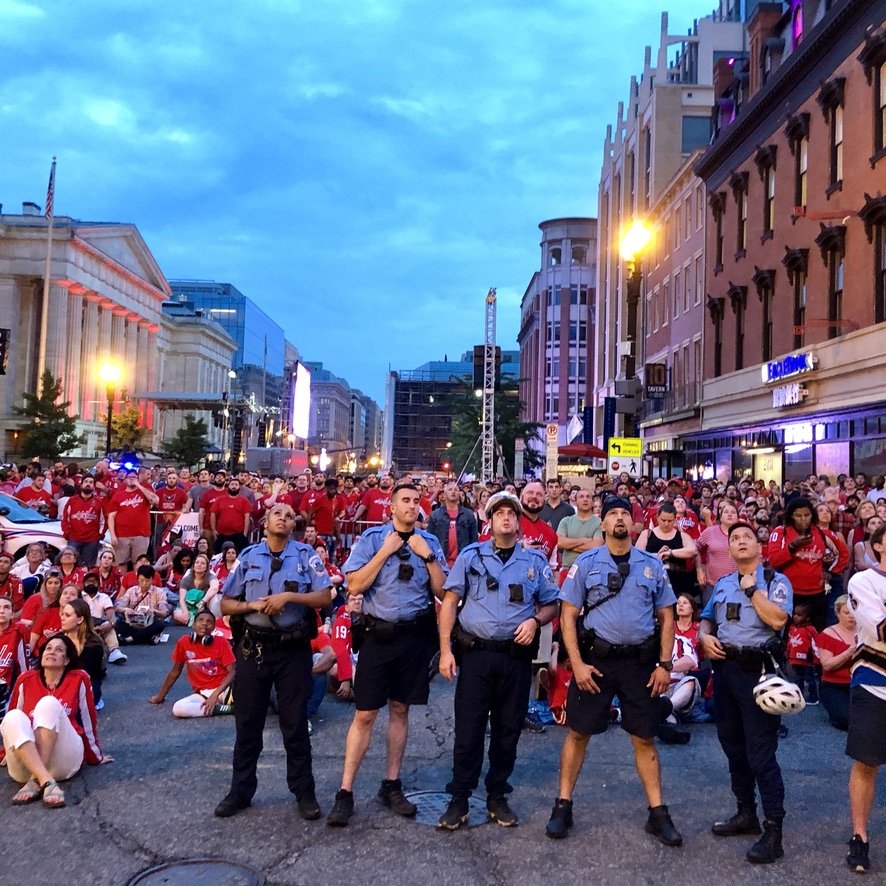
The District stopped during the Washington Capitals run to winning the Stanley Cup. The streets outside the arena were thronged with fans and even the cops were transfixed by the action.
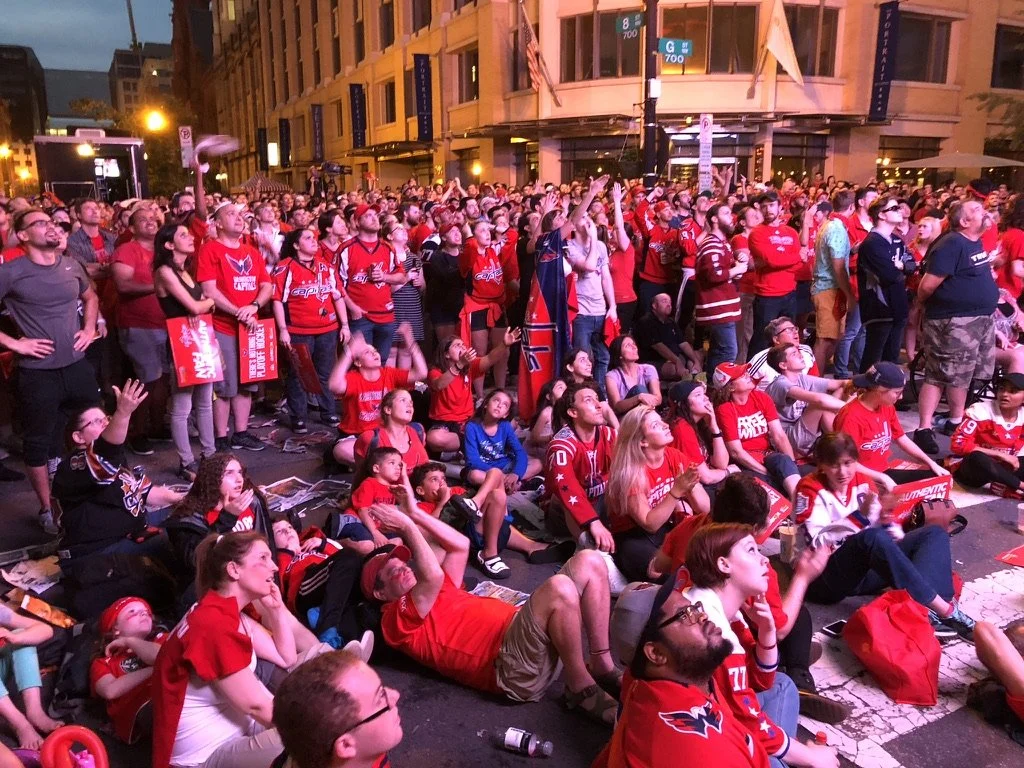
Washington Capitals fans take over the streets next to National Portrait gallery to watch the Stanley Cup triumph on the screens outside the hockey arena.
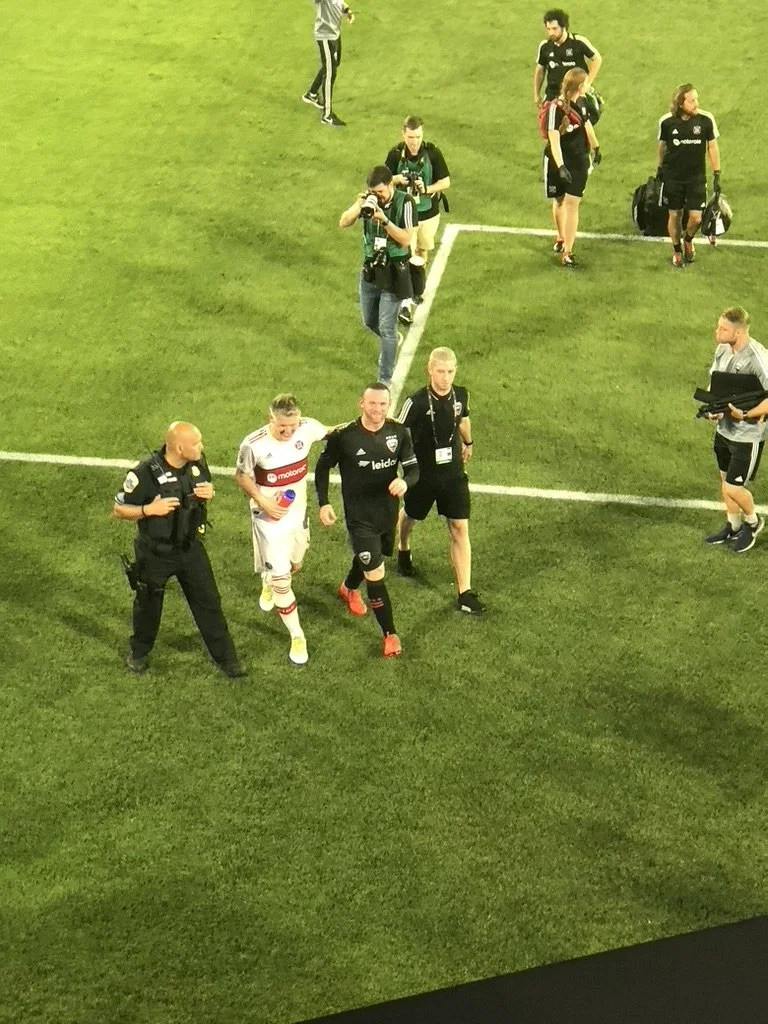
Wayne Rooney and Basti Schweinstager (of Chicago Fire) share a moment at end of a DC United home game.
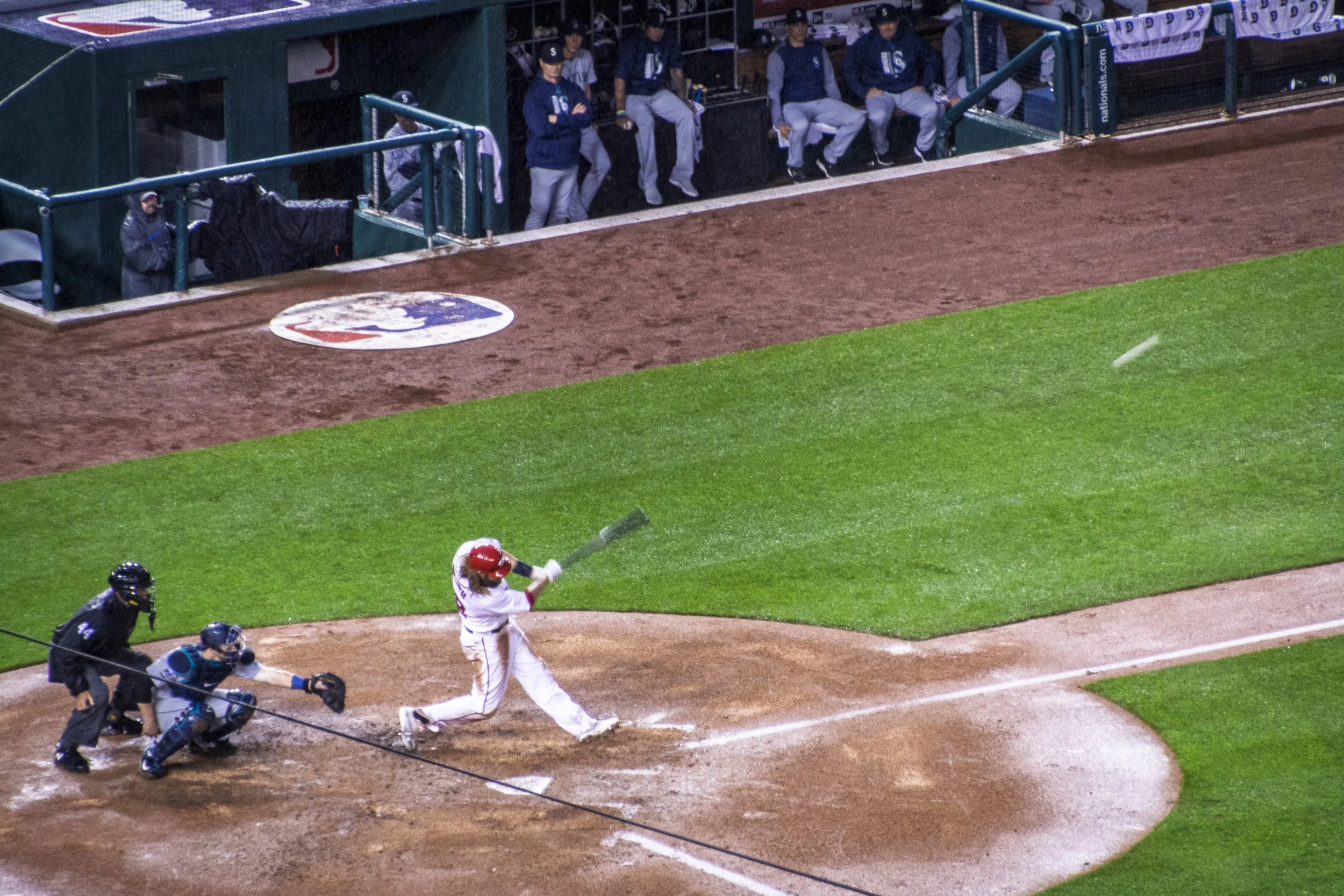
Surely there’s nothing more American than spending a summer’s evening watching the batter hit it out of the park while drinking over priced beer at the Nats Stadium
When bars become ‘locals’ and Fireball feels like a good idea
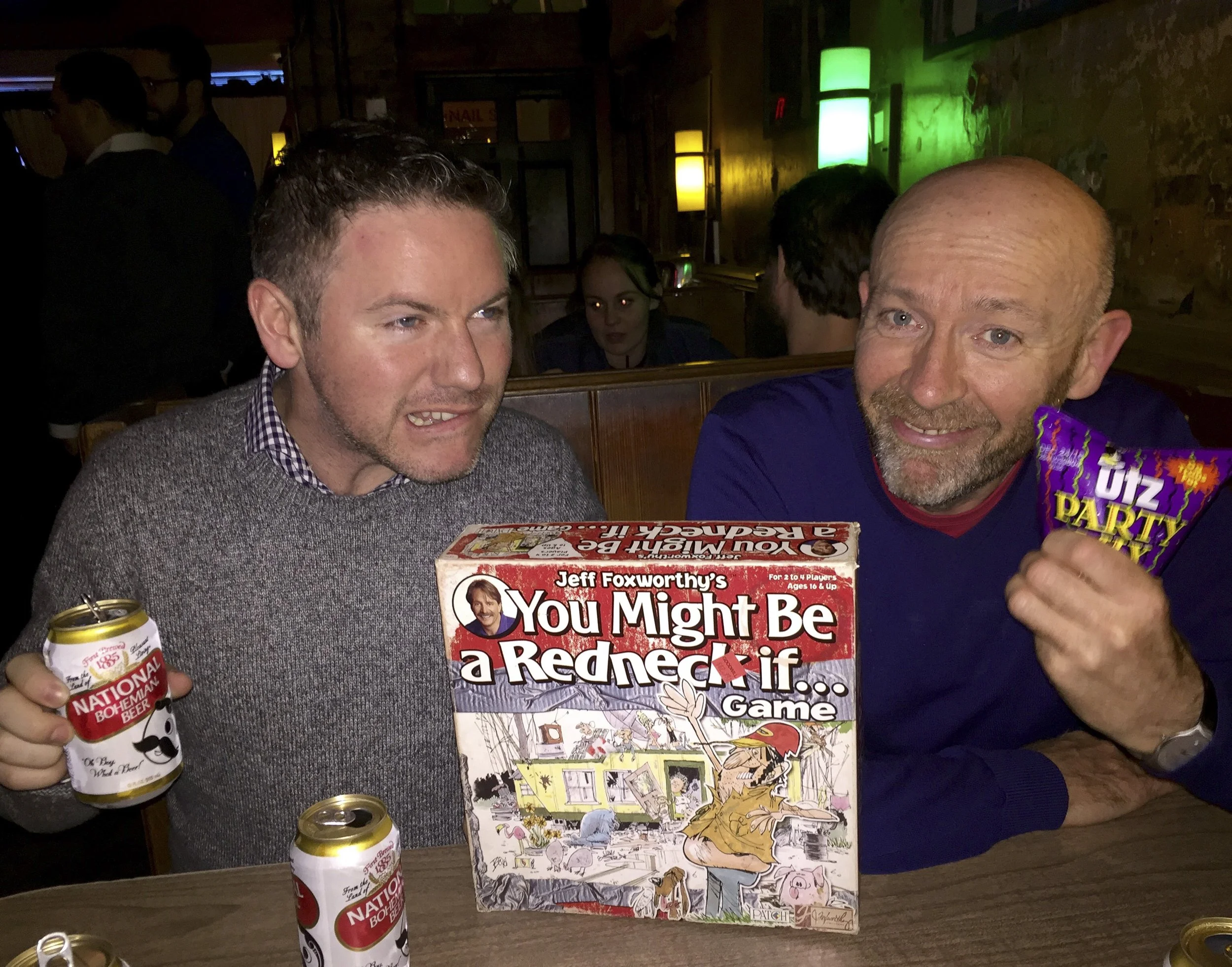
“You might be a Redneck if” and $3 Natty Boh’s - the Raven Grill, one of the District’s most iconic dive bars with longest running liquour licence in the City
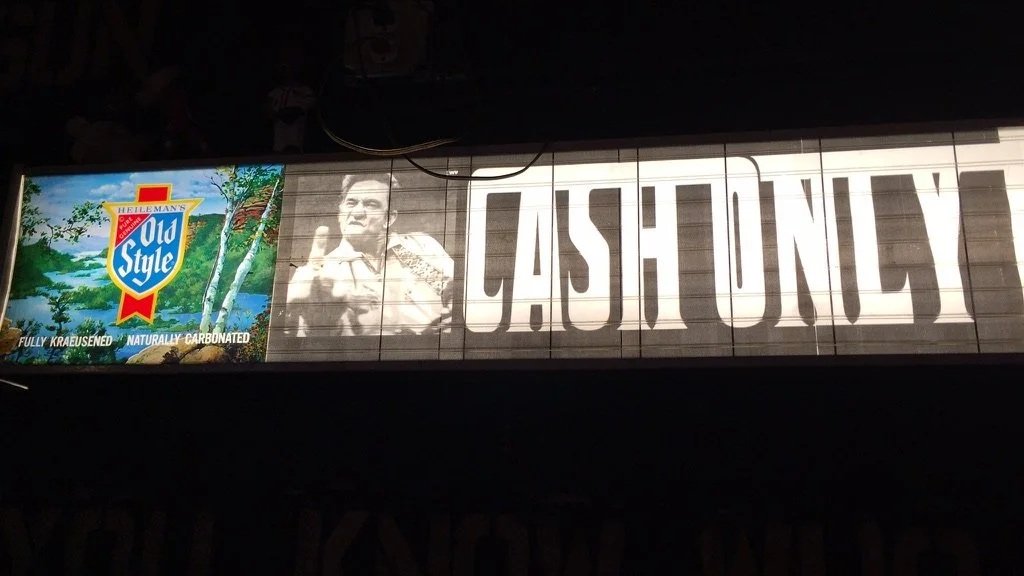
Ivy and Coney another cash only dive in Shaw - or as they say themselves, “Cheap drinks, cheap food and even cheaper company”
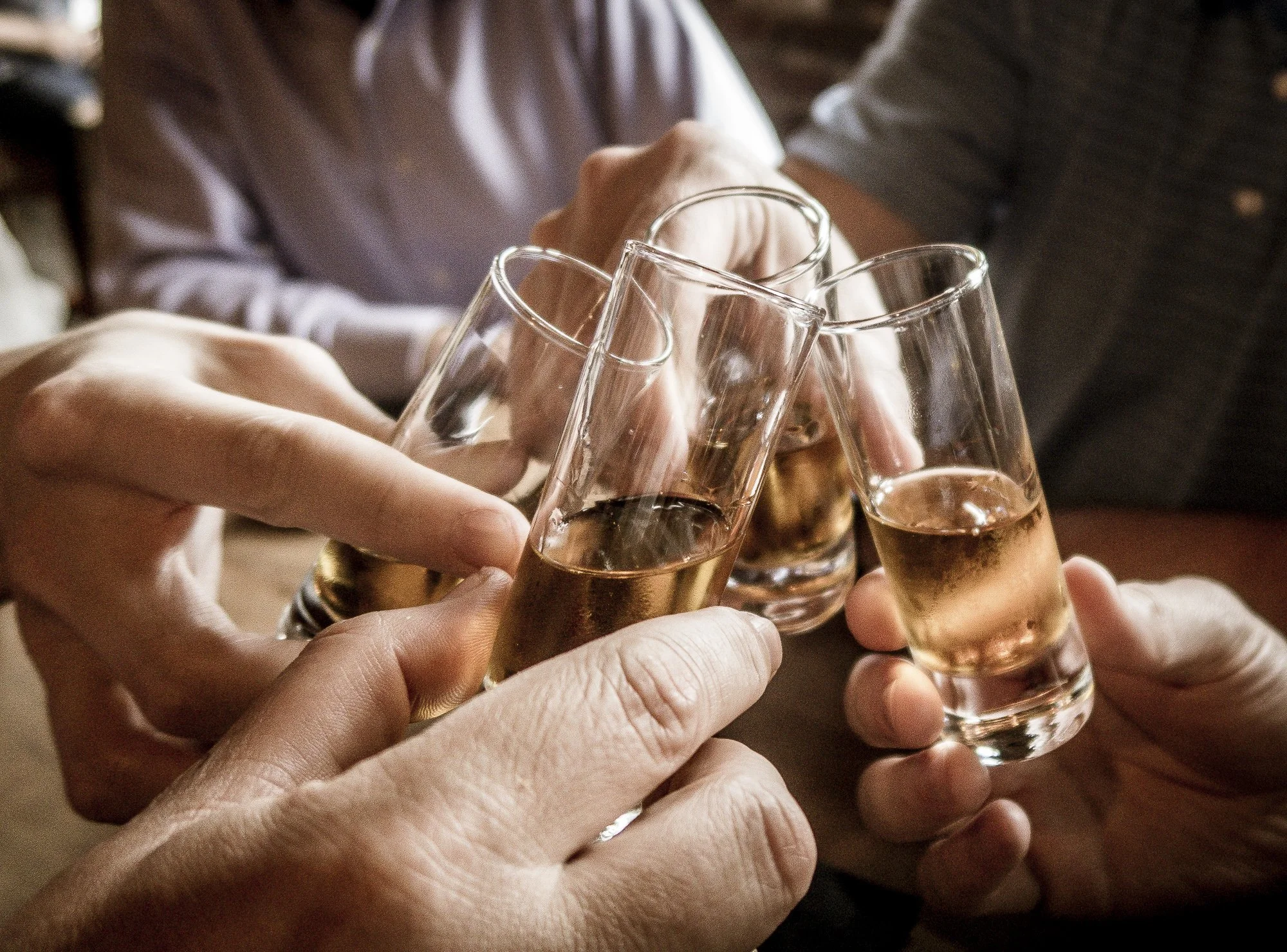
Sometimes Fireball, an American whiskey flavoured with cinnamon feels like a good idea part way through the evening. Trust me, it’s not. Fireball shots lead to incidents such as the one where my friend Frank took two Ubers to get home.
It was a night out to mark the “double nickel” (my 55th birthday”. The first one dropped him at his address, but on the other side of the street and second arrived to drive him all 10 yards to the other side because he didn’t recognise where he lived.
But one place stood apart
IOTA
Technically, it wasn't even in DC.
IOTA sat across the Potomac in Courthouse, Arlington, making it an unlikely candidate to become one of the defining places of my District. Yet it did exactly that.
Part indie and Americana music venue, part neighbourhood bar, touring musicians squeezed onto its tiny stage, local bands found loyal audiences and conversations flowed as easily as the beer. Somewhere between the gigs and the late-night conversations I became friends with the owners, Stephen and his sister Jane, who made everyone feel like a regular.
The clientele reflected Washington itself. On any given evening you might find picture editors from National Geographic chatting over a beer, Dave Grohl, (originally from the area) dropping in, or hear the story of how President George W. Bush's twin daughters had once been thrown out for trying to drink underage. It was the sort of place where everyone seemed to have a story, and before long you realised you had become part of one yourself.
The photographs here aren't really about IOTA itself. They're about the people who gave it its character: Stephen at work, friends deep in conversation, embraces at the end of another evening and musicians packing away after another set. Looking back, they are less photographs of a venue than of a community.
When IOTA eventually closed in 2017, Washington lost another independent music venue. I lost something rather more personal: one of the places that had taught me what it meant to belong.
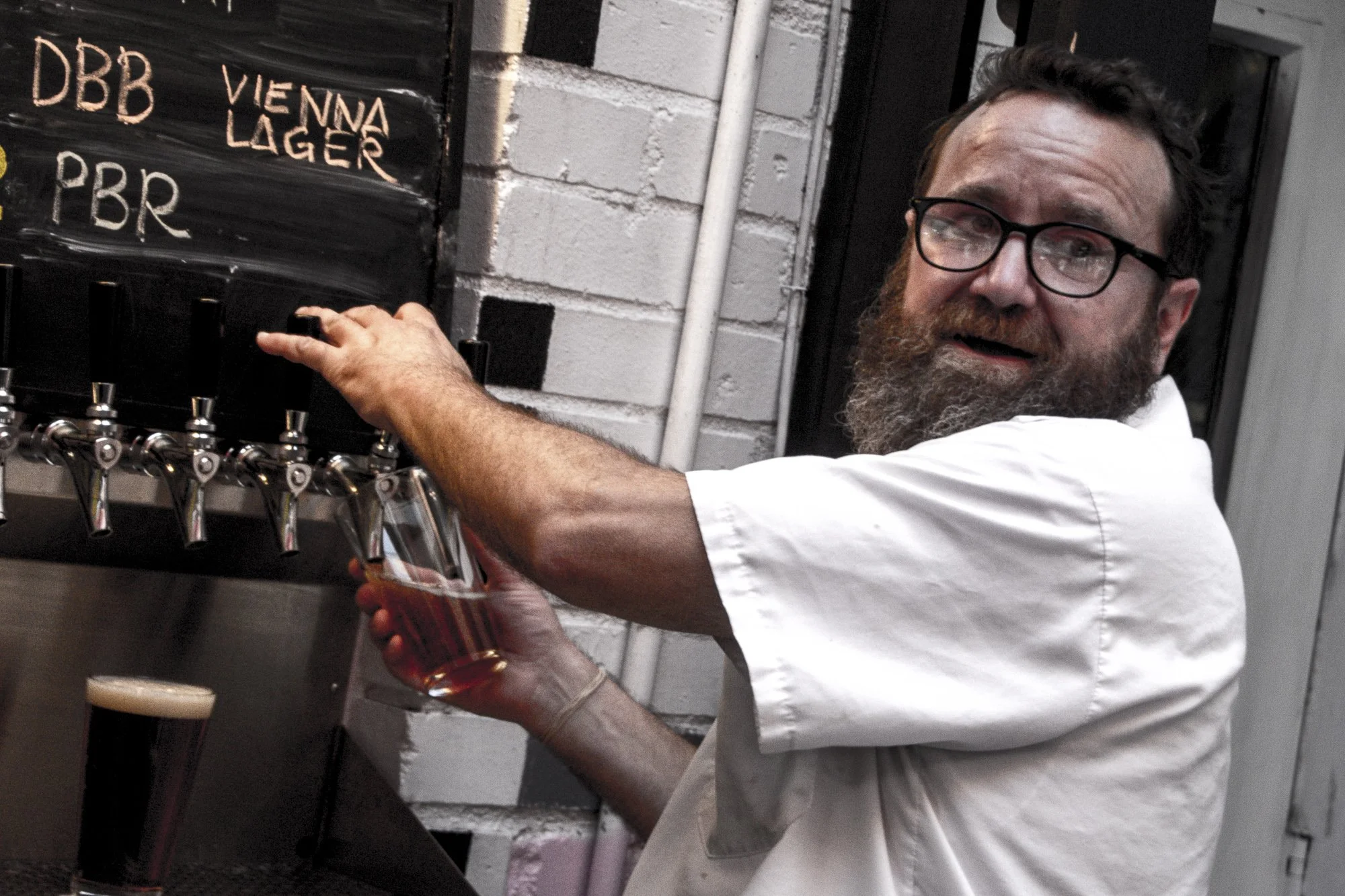
Stephen, the owner pouring again.
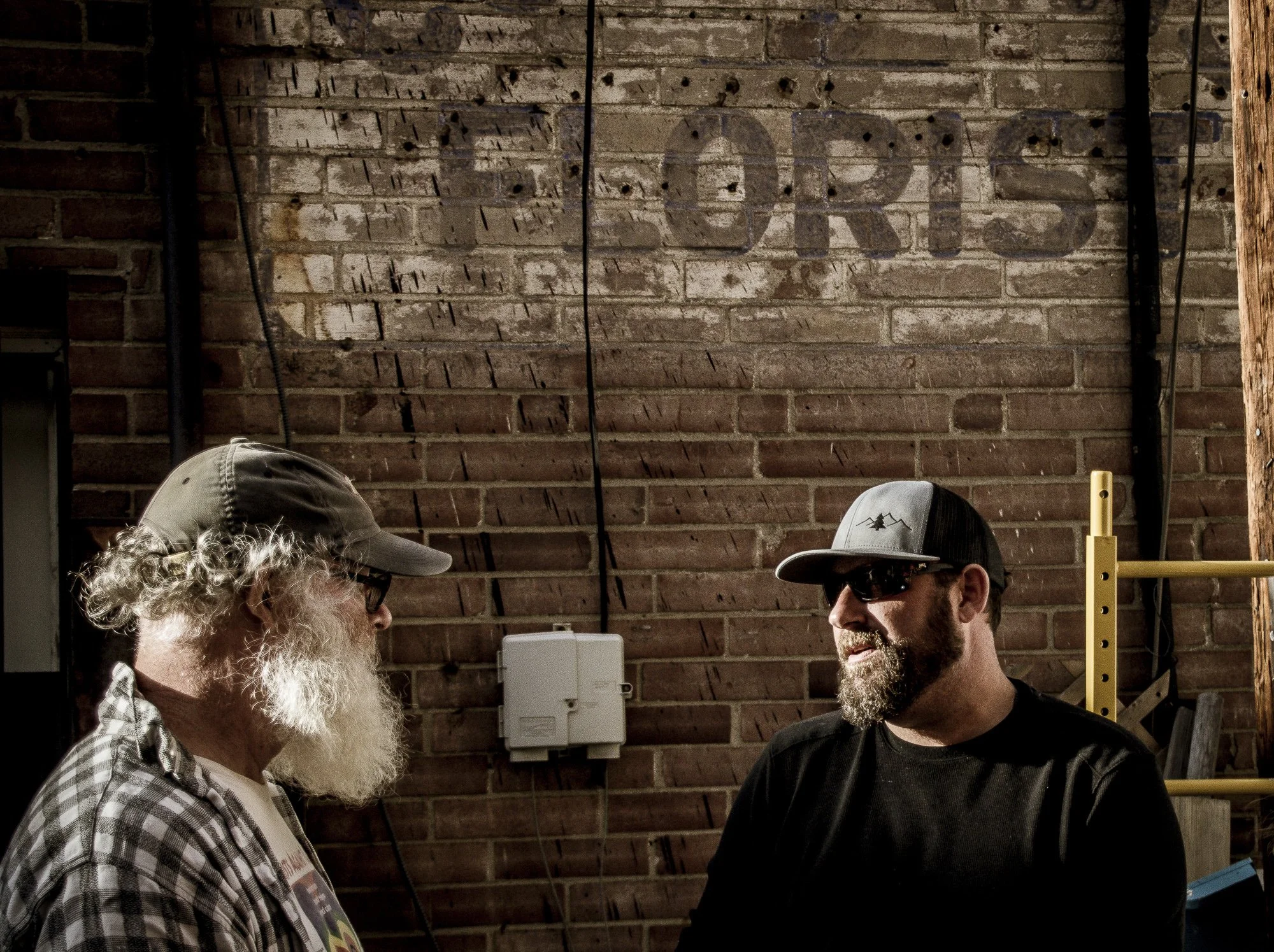
Sometimes the best moments at IOTA were conversations between sets.
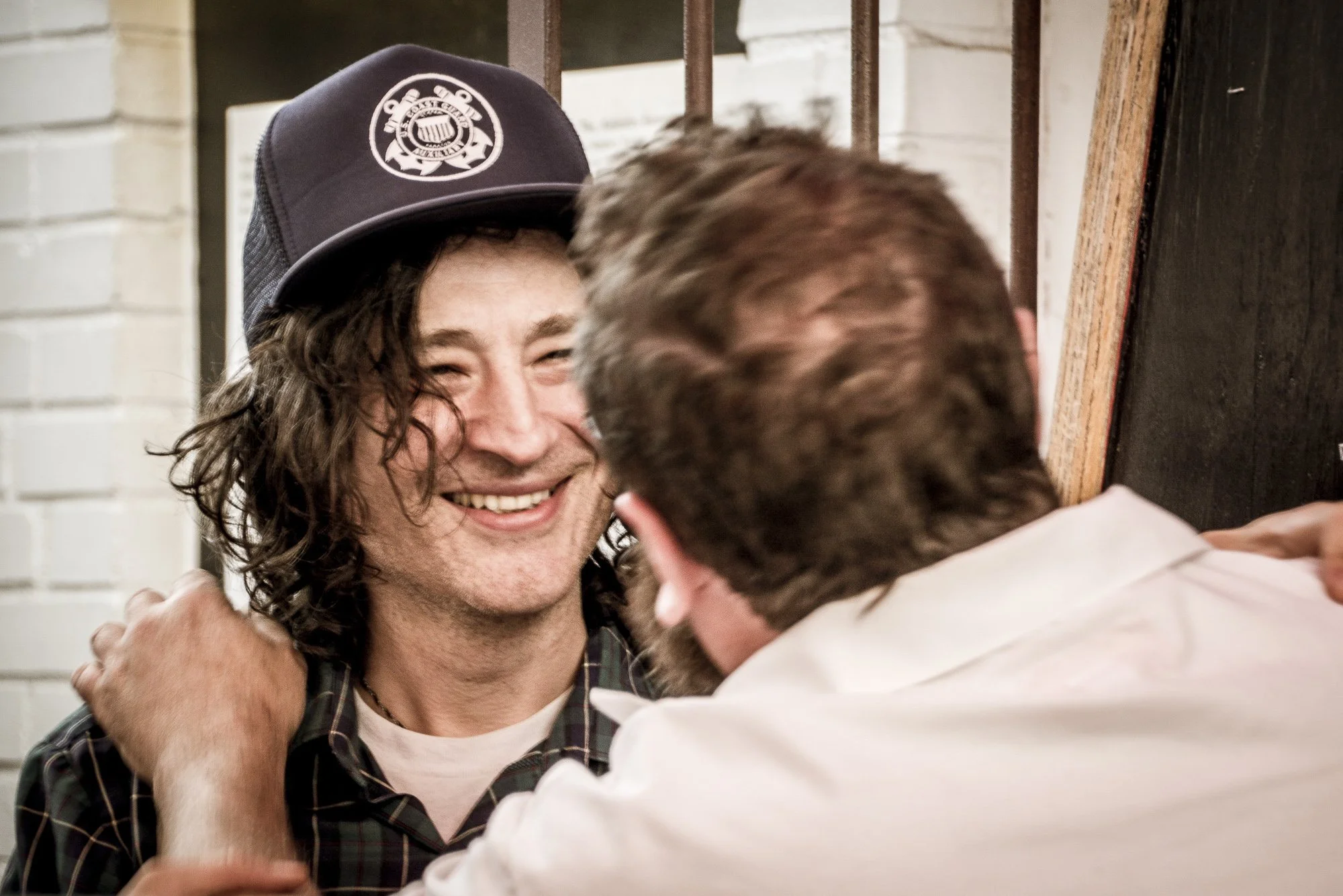
IOTA didn’t have customers, it had friends.
Epilogue
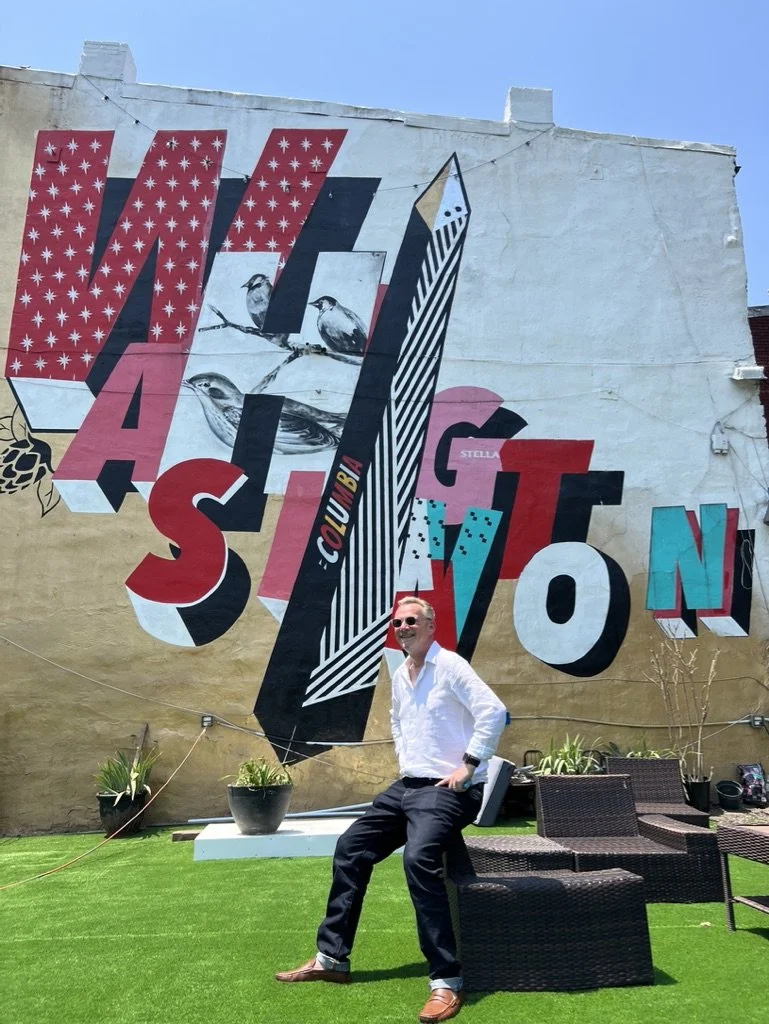
When I first arrived, Washington was a city I recognised from television, Watergate and political headlines. Like most visitors, I measured it by its monuments.
Over time, those monuments became little more than landmarks on the way to somewhere else.
I found the real city in neighbourhood cafés and dive bars, music venues and baseball stadiums, conversations with strangers who became friends, and the countless ordinary moments that never make the guidebooks. Somewhere along the way, Washington became DC. Then, without really noticing, DC became the District.
That's the privilege of living somewhere rather than simply passing through.
Cities are never really defined by skylines or landmarks. They're defined by the people you meet, the places you return to and the memories you carry away.
Six years wasn't enough to know Washington completely. No lifetime would be.
But it was long enough for it to become part of who I am and remind me that Being There really does Matter
