

The Accidental Historian
Arriving at the airport in Mumbai to catch a domestic flight, I noticed three billboard painters putting the finishing touches to a hand painted advertising hoarding for Jet Airways. A common enough scene in India in those days, and one I quickly captured. Looking back at this image almost 30 years later, it’s a throwback to world that no longer exists. Jet Airways is now defunct but those hand-painted billboards so resonant of India in those days have now all but disappeared, replaced by ubiquitous digital signage and neon signs..
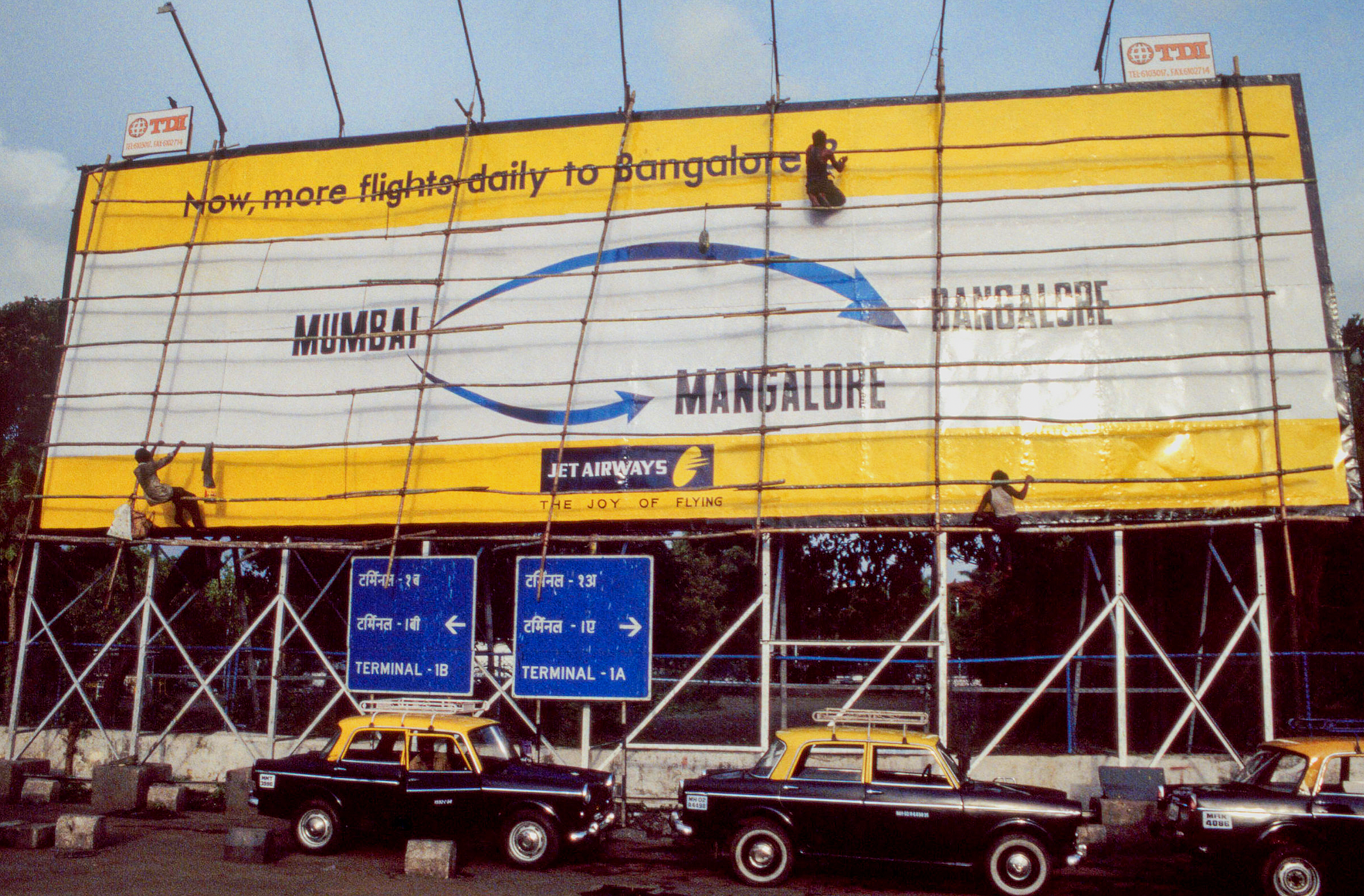
Painting an advertising billboard - Mumbai 1999
With their disappearance, a craft has also disappeared. It used to be that every Bollywood movie was released with an iconic set of hand painted billboards all over the country.
In fact it’s got me thinking that a lot of my photography has captured a world which has changed completely or, in some cases, no longer exists. I have always photographed in the present, never seeking to become a chronicler or historian. It’s simply what happens when enough time passes.
I’ve selected a few pictures from the archive to illustrate the point.
From Daily Practice to Heritage Tourism
This photograph of a traditional Sichuan tea-house featured in the 2000 edition of the Rough Guide to China, capturing an everyday scene in Chengdu, where tea drinking was, and still is, a daily ritual. Open-air teahouses haven't vanished, bamboo chairs and courtyard tables are still very much part of daily life there. What has faded is this particular kind of unstructured street commerce, an itinerant tea-pourer working a market street, a newspaper seller weaving between tables. Alongside the older style, the city has also built newer, flashier teahouses, complete with flat screens, karaoke and WeChat payments, sitting next to the originals rather than replacing them outright. Chengdu has also worked to restore and recreate some of the old-style teahouses as part of a wider heritage effort.
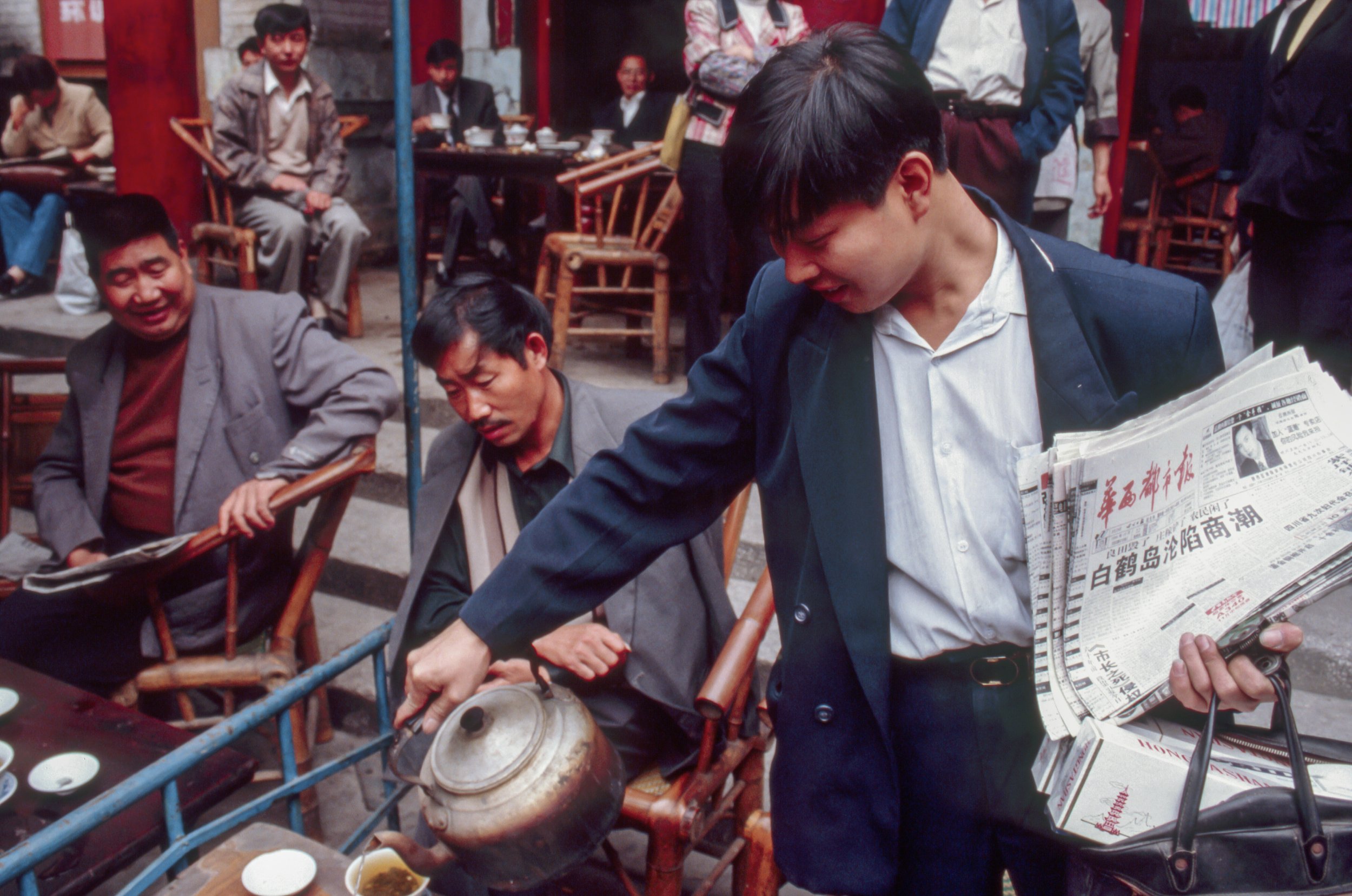
Teahouse, Chengdu, China - 1998
Half the boats, All the Life
Most visitors to Vietnam build a visit to the markets of the Mekong Delta into their itinerary. The Mekong River has, for centuries been the main commercial artery of southern Vietnam. I captured this in 1995 when almost all daily life appeared to be conducted afloat. Get there while you can.
Cai Rang, the Delta's largest market, today comprises roughly 200 boats, fewer than half its 1990s peak - as roads and bridges have replaced boats for shifting goods.
And for a stunning visual essay on the Delta, I loved Michael Yamashita’s book, ‘Mekong - A Journey on the Mother of Waters’. Highly recommended
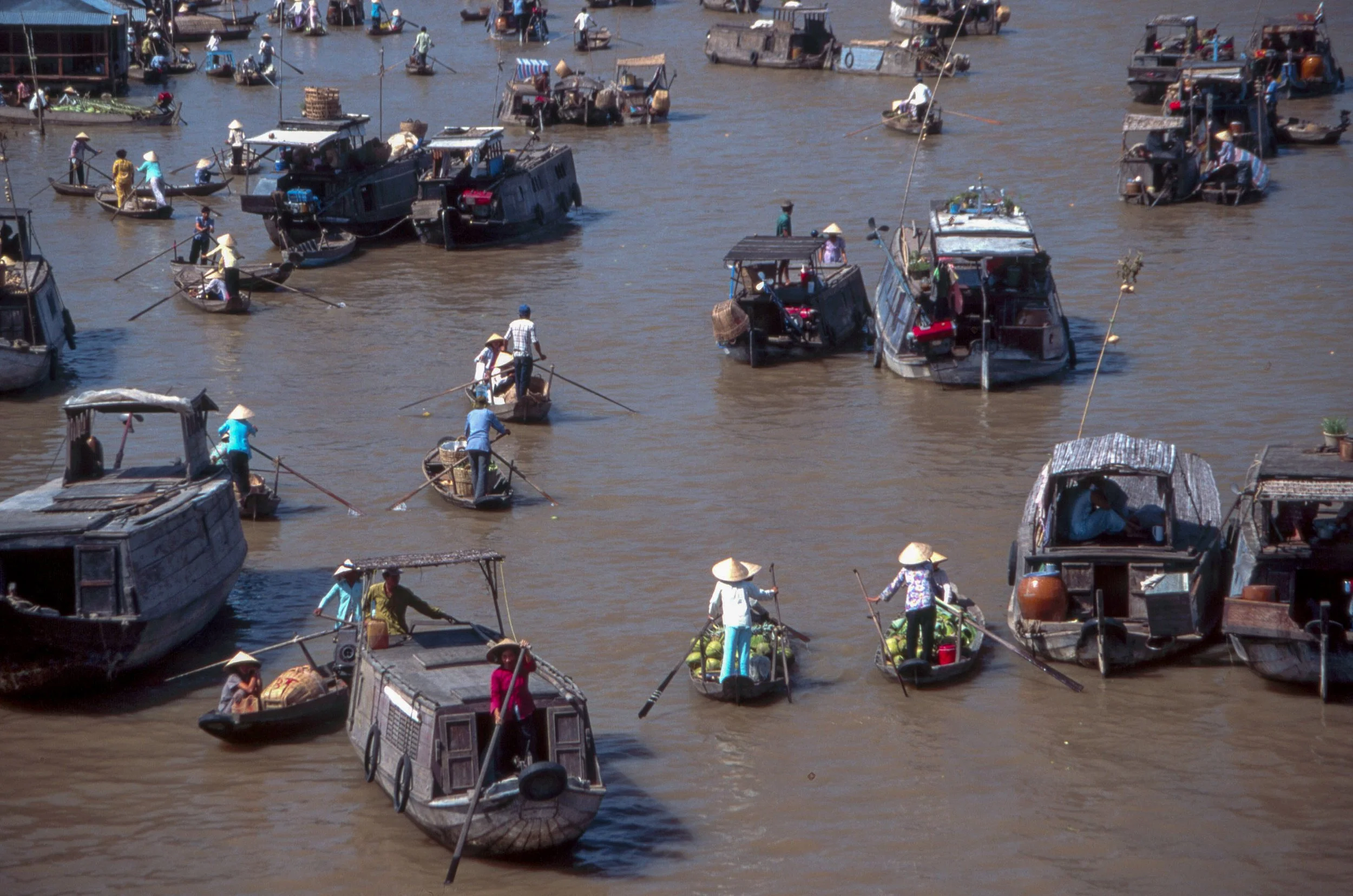
Mekong Delta, Vietnam - 1995
Bang Bang
Chongqing, the mega city in the heart of China, is one of the world’s most futuristic cities. With a population of more than 32 million, it is often claimed to be the world’s largest.
Back in the 1990s before the urban transformation, many goods were shipped along the Yangtze river then off-loaded by migrant labourers, often referred to as BangBang workers as a reference to the bamboo poles they carried. In the 1980s and early 90s, there were an estimated 400,000 Bang Bang labourers. I took this on a brief visit to the city in 1998.
Now, the Bang Bang workers have all but disappeared. In fact, Chinese TV produced a documentary series called ‘The Last One’ to mark their disappearance.
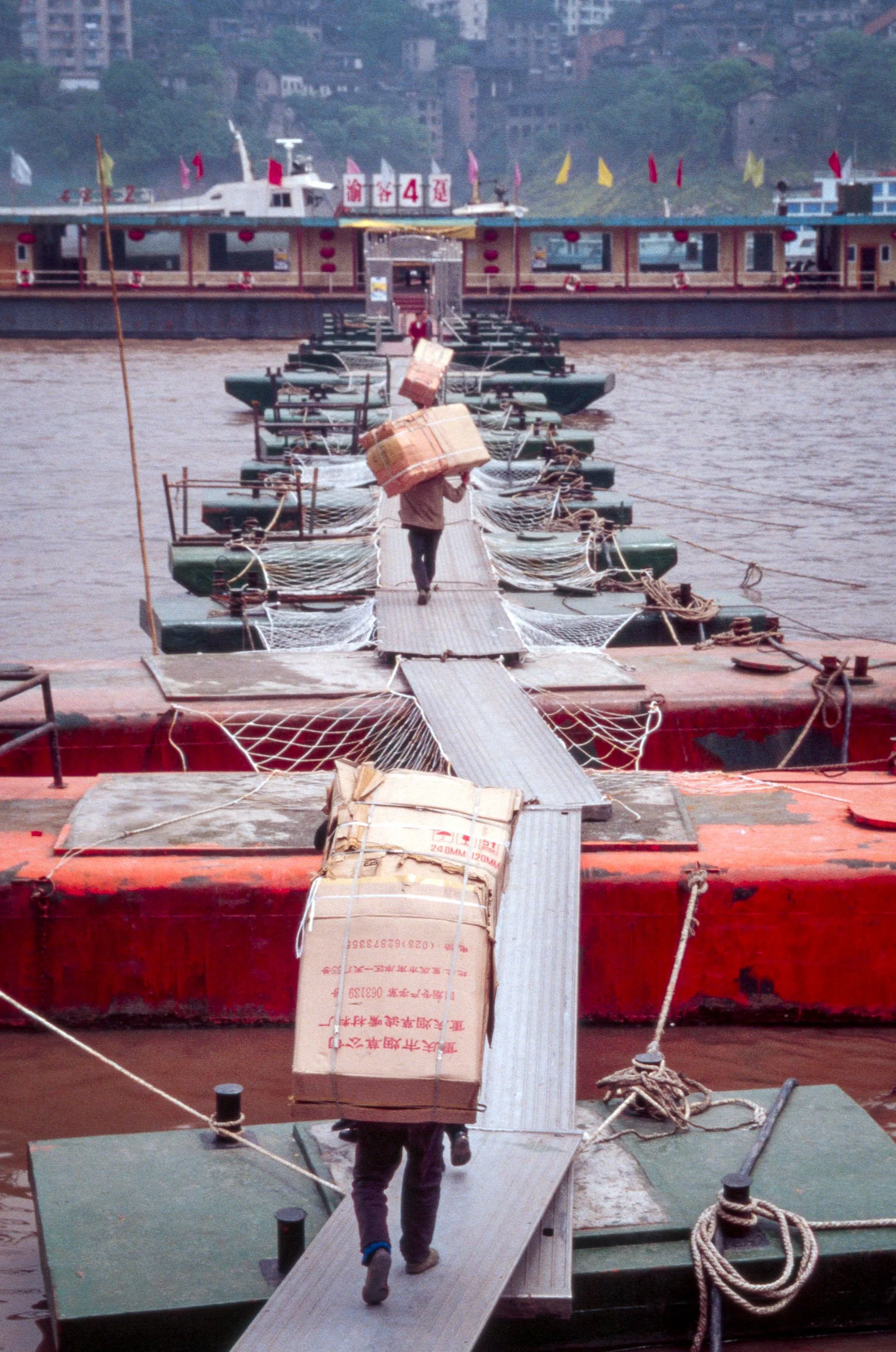
Bang Bang labourers, Chongqing, China - 1998
