

From Observation to Participation
When I first travelled through India in the early 1990s, photography felt different.
Partly because I was shooting slide film. Thirty-six exposures at a time. No previews. No instant feedback. Every frame cost money. Every trip ended with a nervous wait for the transparencies to return from the lab.
But the biggest difference wasn't technical.
It was social.
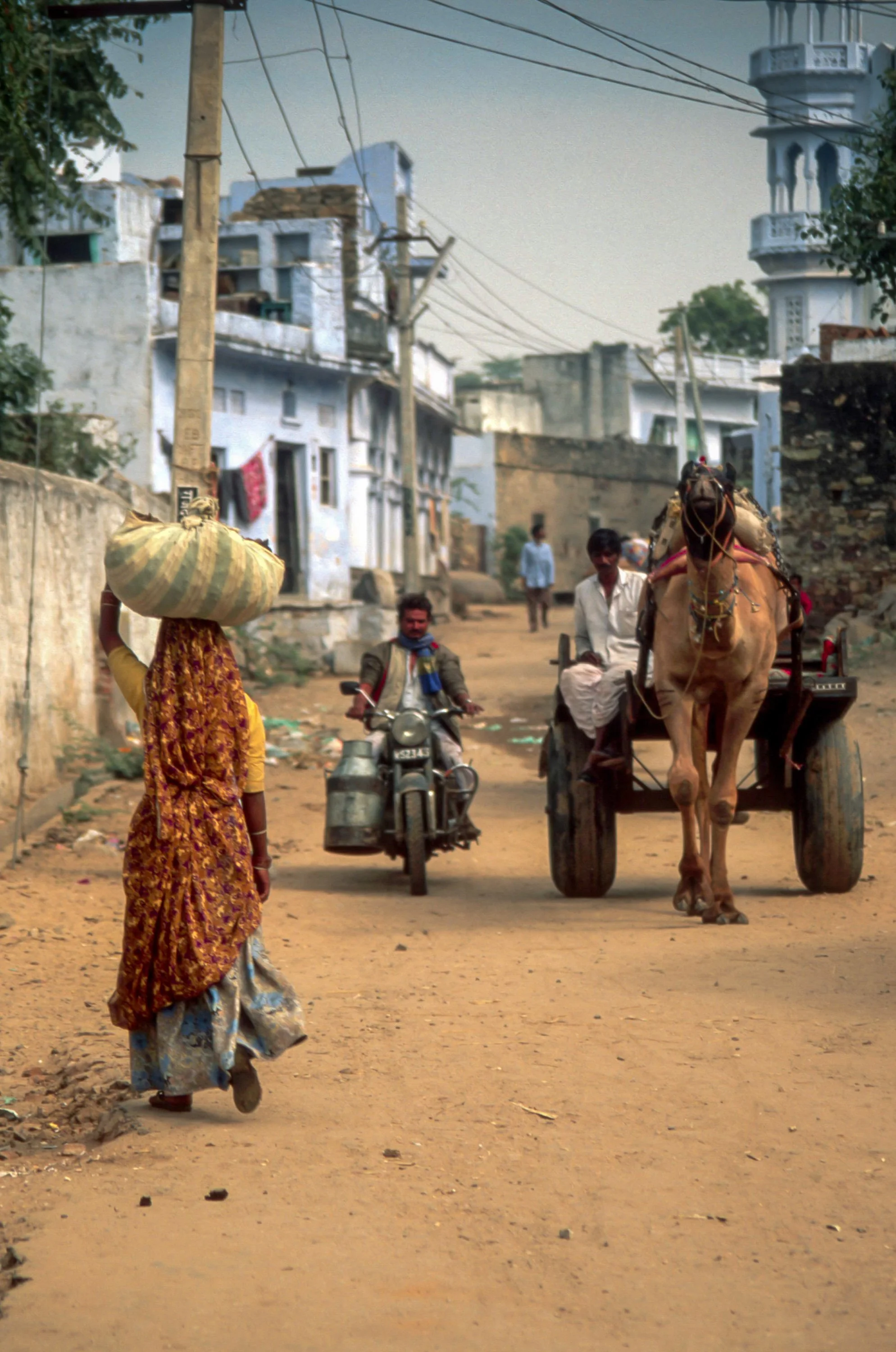
Pushkar, Rajasthan 1996
Photography also felt more exclusive then.
On my first trips to India and South East Asia in the late 1980s and early 1990s, carrying a Canon EOS 5 made me conspicuous. Cameras were unusual enough to attract attention, particularly outside major cities.
More importantly, the relationship was one-directional. I photographed people, but I had no practical way of sharing the results with them. The image travelled home with me.
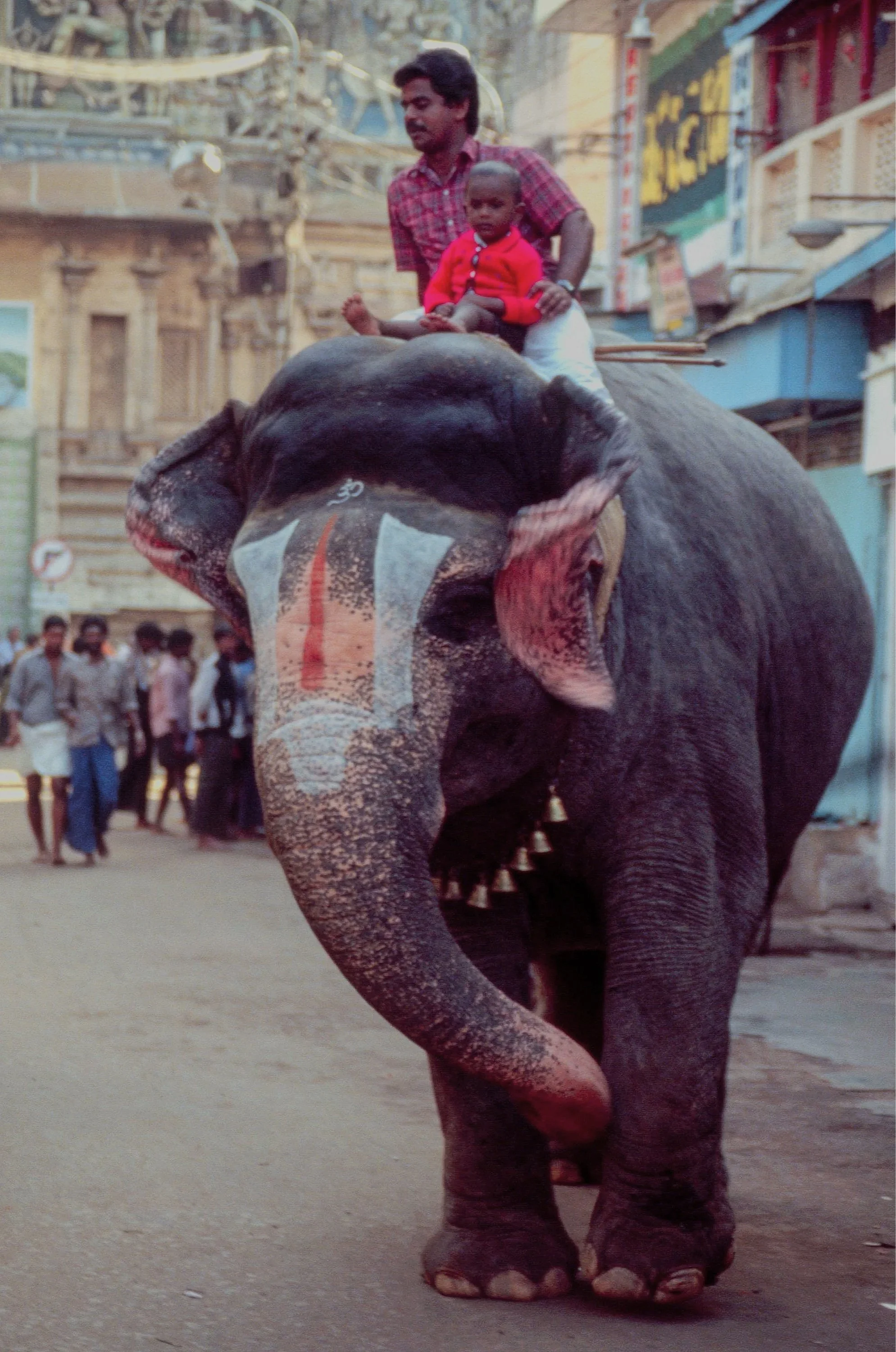
Madurai, 1991
Those journeys now feel surprisingly distant.
Not because India has lost its character—it certainly hasn't—but because the technology surrounding photography has changed so completely.
The camera is no longer a specialist tool.
It sits in almost every pocket.
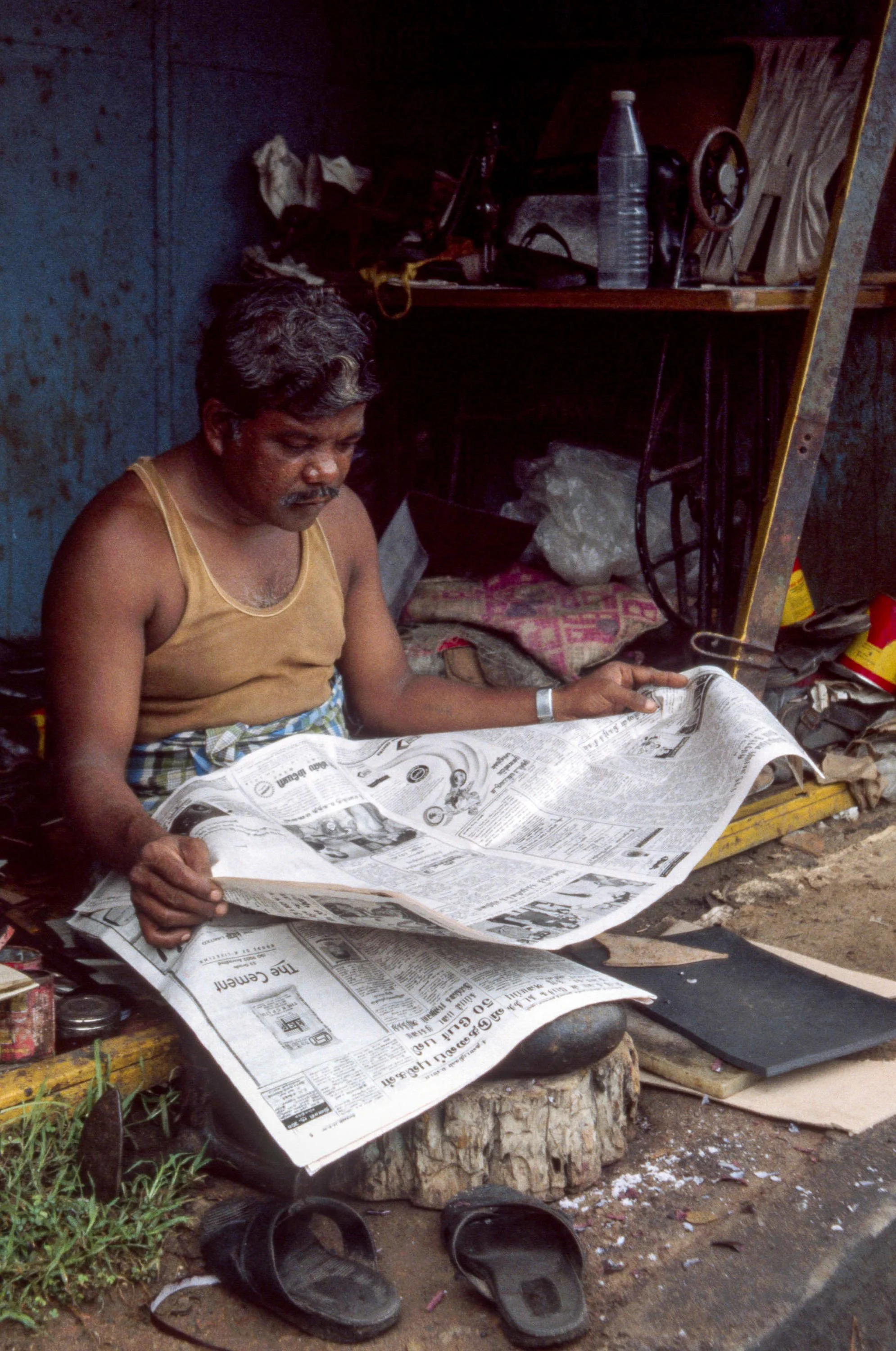
Chennai, 1996
The ubiquity of smartphones and affordable internet has transformed photography from a niche activity into a universal language.
And in my view, that has been a good thing. Photography has become more democratic. More participatory. More immediate.
The subjects of photographs increasingly became photographers themselves.
Then I returned to India in 2025. I expected to photograph people.
Instead, I often found myself being photographed.
Nowhere was this more apparent than at railway stations, markets and public squares, where requests for selfies became a daily occurrence.
Many times, we spent more time standing in front of cameras than behind one.
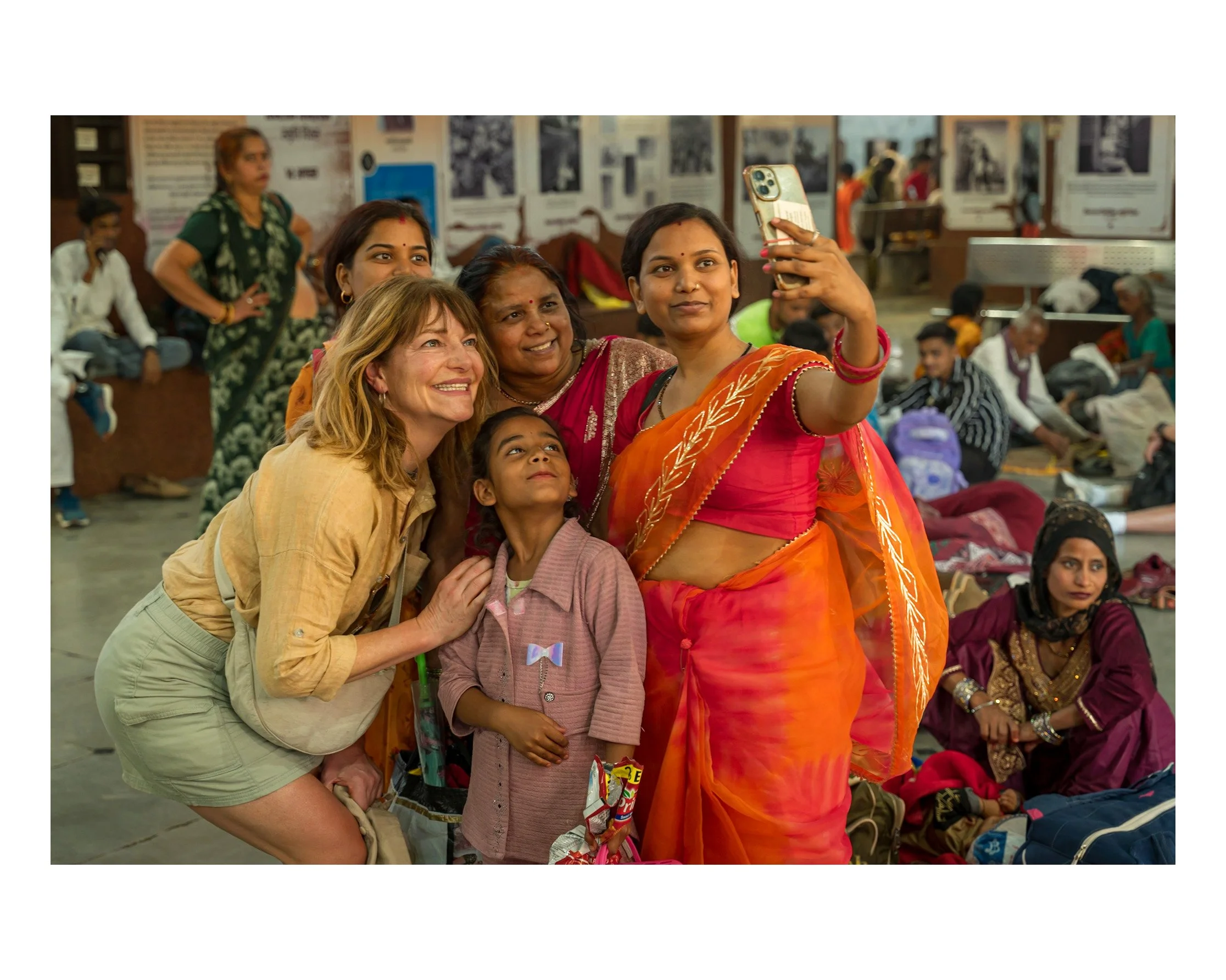
Agra Train Station, 2025
